Using theoretical and experimental analysis, researchers aim to better understand the novel and intriguing magnetic properties of 2D materials for the next generation of information technologies.
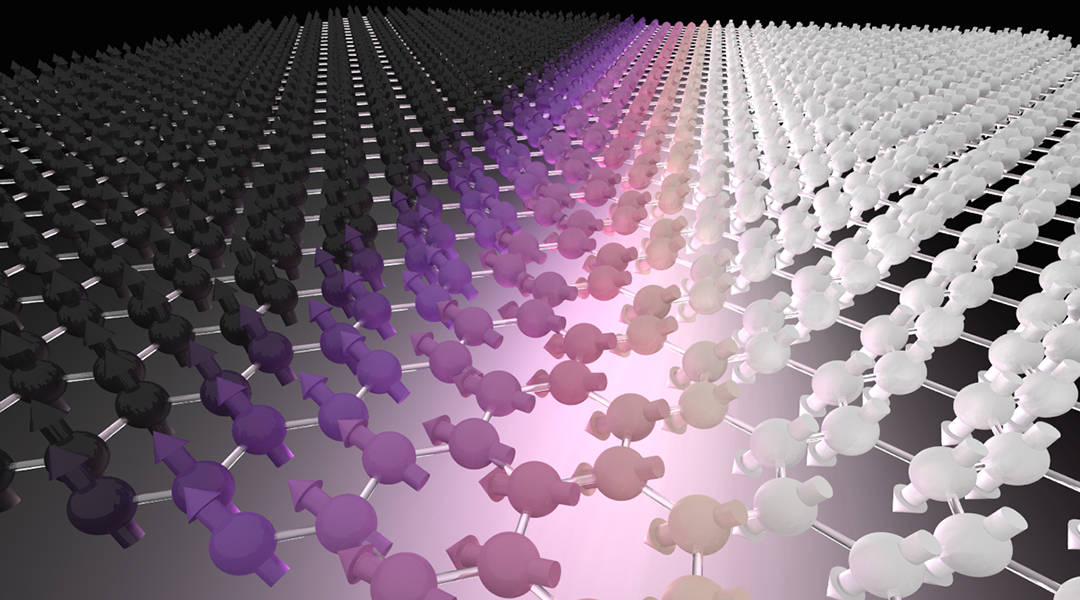

Using theoretical and experimental analysis, researchers aim to better understand the novel and intriguing magnetic properties of 2D materials for the next generation of information technologies.

Bacteria controlled by magnets could one day deliver medicine directly to the cells that need it.
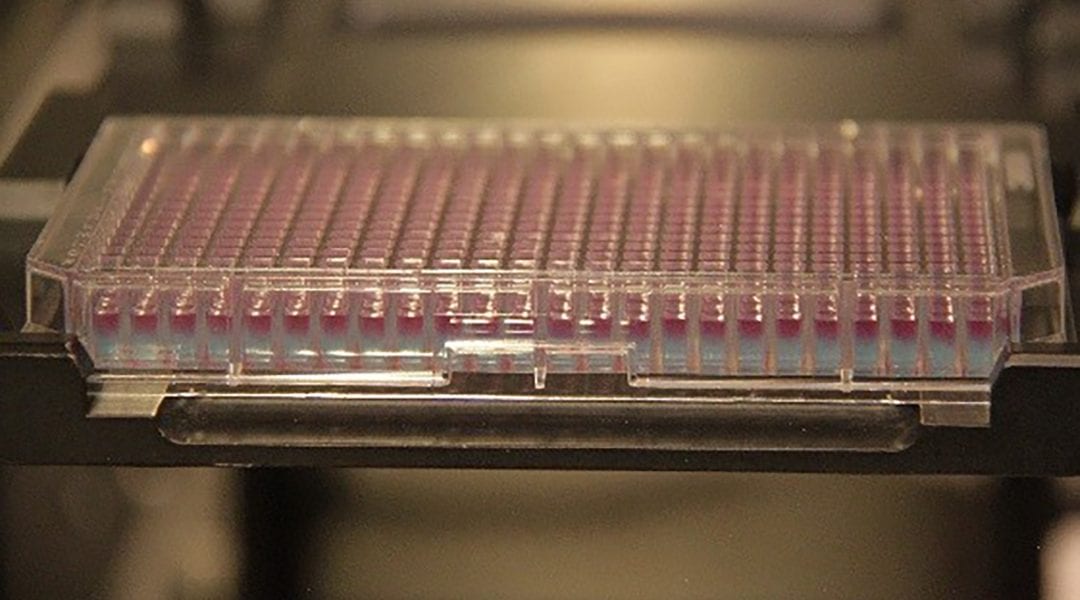
A temperature-responsive, porous hydrogel enables more efficient and sustained protein synthesis.
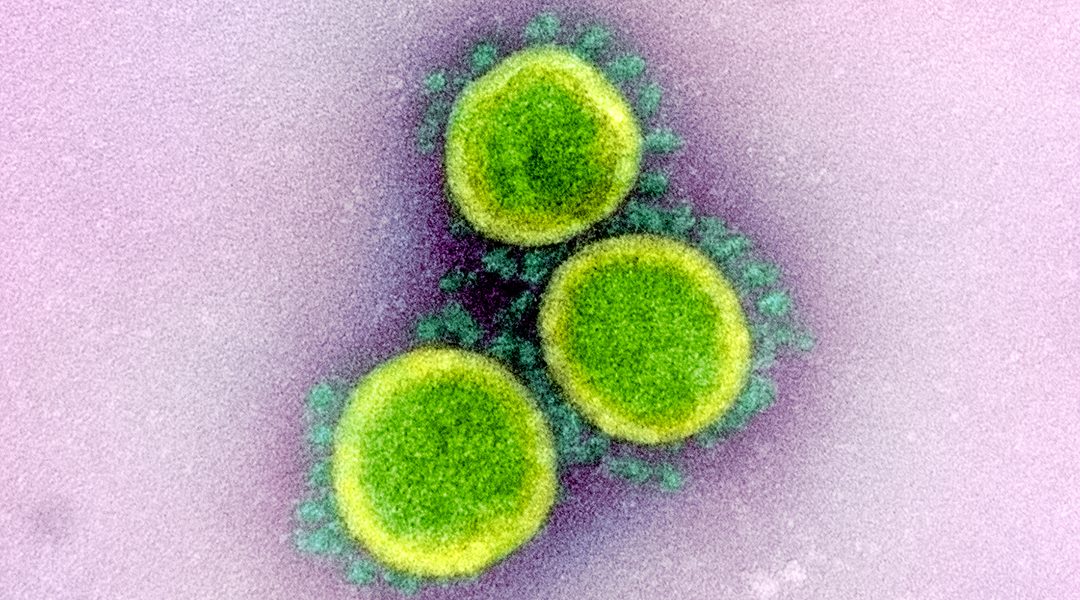
Researchers enhance the immune response against the receptor binding domain of SARS-CoV-2 by presenting it on liposomes, providing a promising strategy for vaccine development targeting this domain.
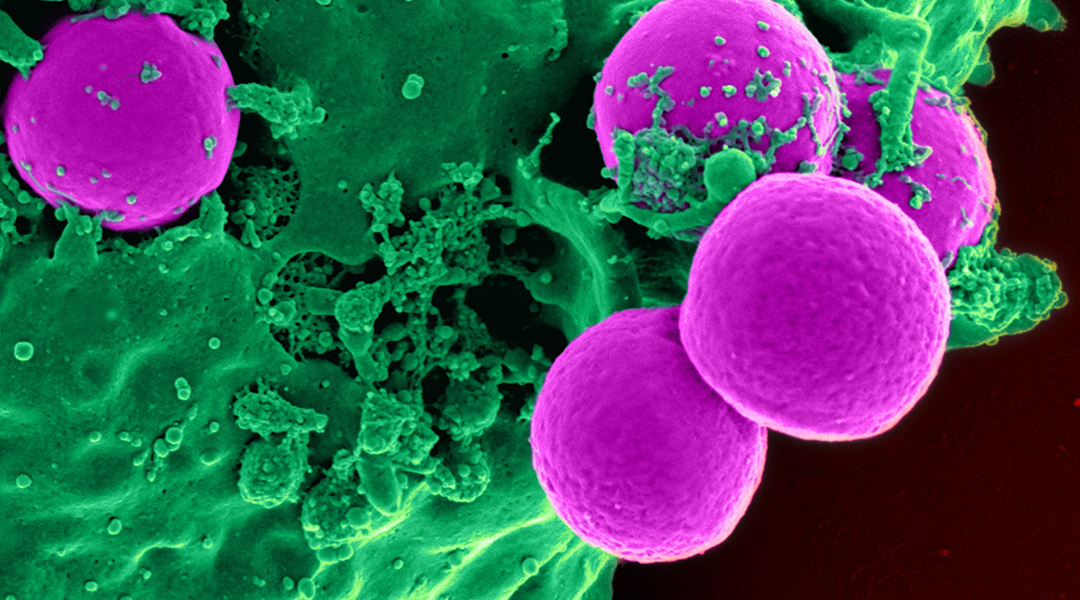
Nanoparticles are not new; bacteria have been making them long before we had a language to name them.
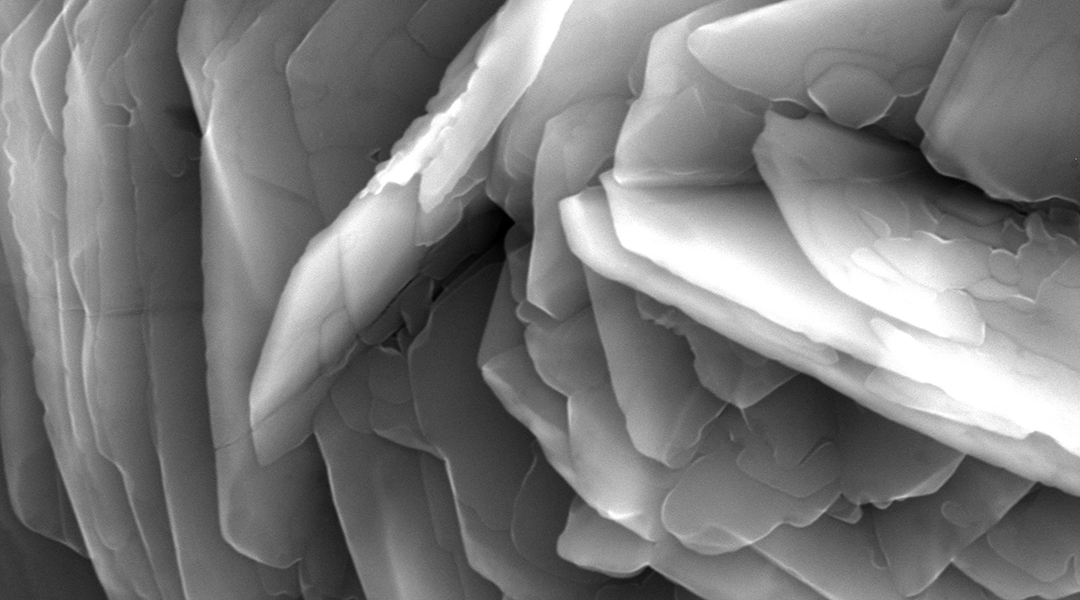
Novel rosette-like formations may open new opportunities in corrosion science, manufacturing of titanium-based implants, and fluid-surface interactions.

Czech researchers developed self-propelled microrobots that decompose complex solid pollutants, such as single use and disposable textile fibers.
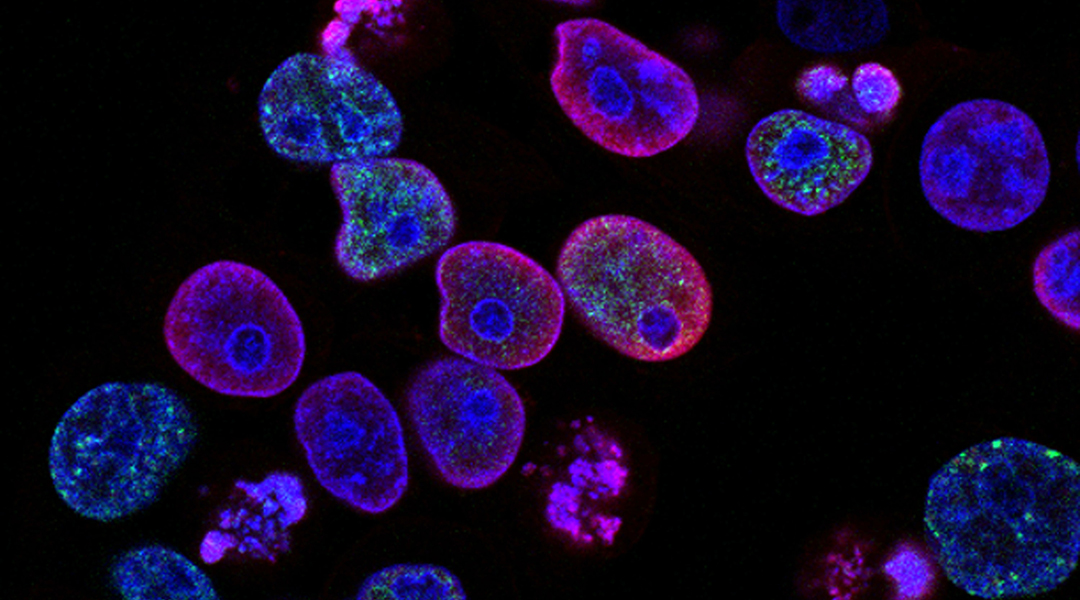
Researchers have designed a gold-coated nanomotor that can be controlled by infrared irradiation for precise drug delivery in cells.
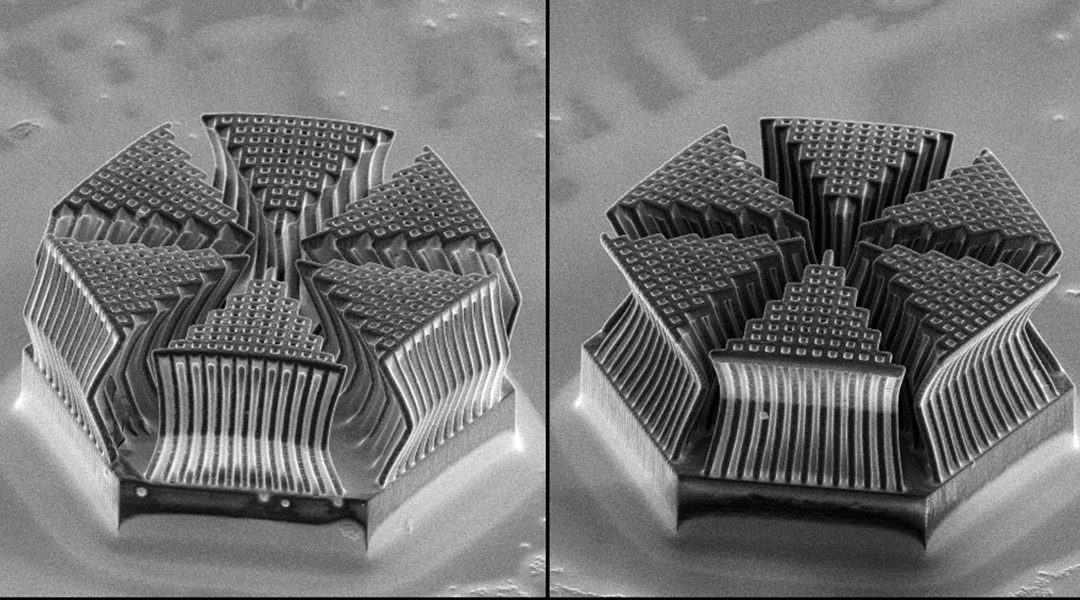
By designing complex microscale stamps, precision 3D printing methods offer control over fluid transfer in traditional 2D printing applications

A pair of micro-scale pliers was made from a liquid crystalline elastomer and fiber optic wire, which can reversibly change shape in response to visible light.

 Micron-sized hidden dimensions could solve two of physics’ deepest puzzles
 Turning Periods into Power: Menstrual Blood a Valuable Resource for Medical Diagnostics
 Surfactants Steer Supraparticle Structure
 Bone loss in obesity traced to gut microbiota
 Edible electronics realize safe, complex monitoring devices
 Fermilab Confirms Muon g-2 Measurements