Reflecting impact, or just empty buzz?


Reflecting impact, or just empty buzz?

What is the most effective way to compare researchers?

A perenial source of controversy.
![Tumor-Targeting Nanoprobe with a Novel Cell Membrane Permeability Mechanism [Video]](https://www.advancedsciencenews.com/wp-content/uploads/2019/03/adma201807456_ASN_image.jpg)
A team of researchers develop a graphene-based tumor cell nuclear targeting fluorescent nanoprobe (GTTN) with a cell membrane permeability targeting mechanism.
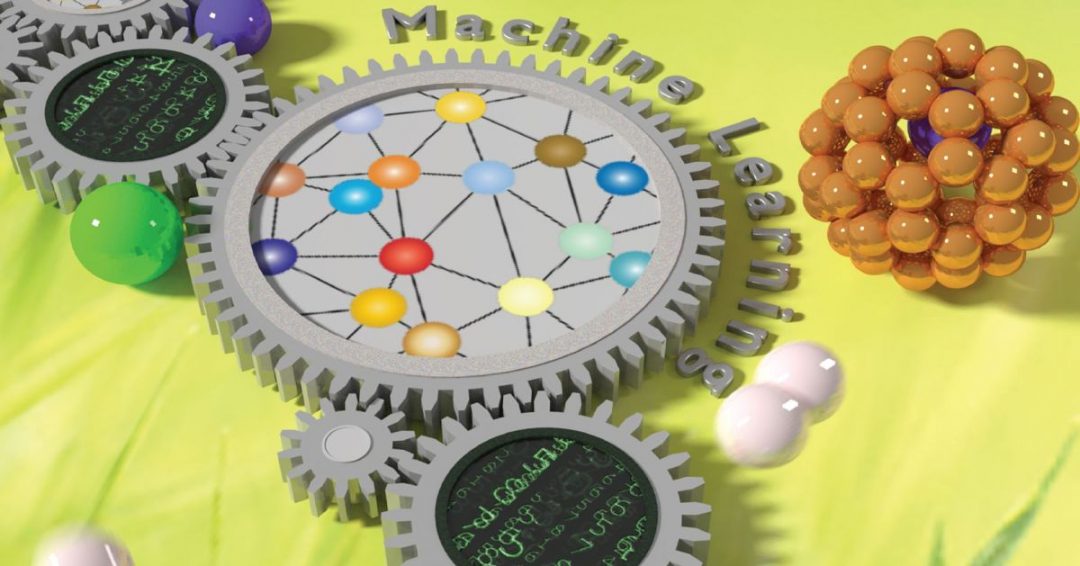
Computational materials design is shown to be essential for the discovery of new and novel materials of the future.

Organ-on-a-chip technology allows for the study of caffeine transport across the placenta to the fetus during pregnancy.

Yadong Yin on stimuli-responsive materials, the importance of science communication and future research plans.
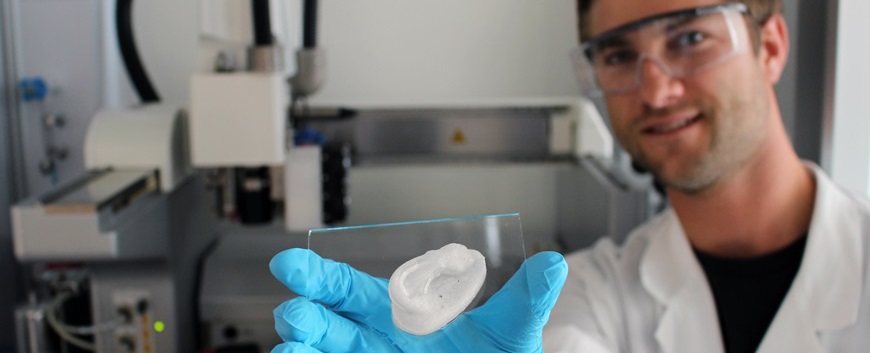
Researchers use biodegradable nanocellulose with additional functionalities to produce implants for cartilage diseases using 3D printing.
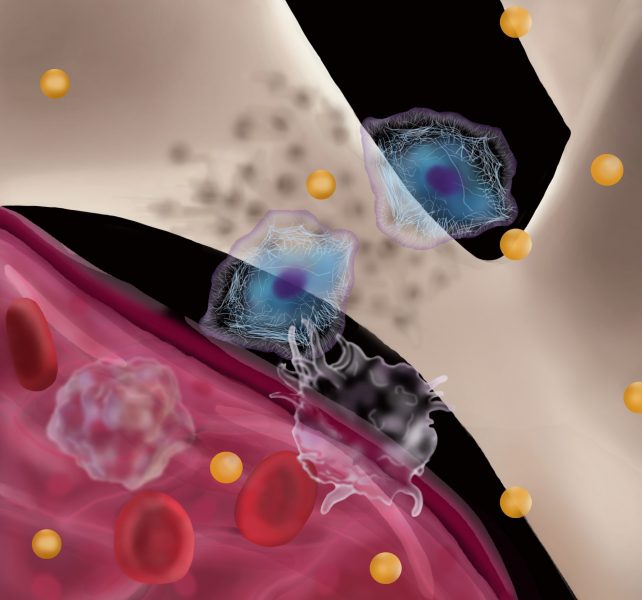
“Off the shelf” allogeneic stem cell transplants and stem cell nano‐composites are being used for the treatment of degenerative bone diseases. However, major and minor histocompatibility antigens of therapeutic cell transplants can be recognized as foreign and lead to their rejection by the host immune system.

Scientists at Carnegie Mellon University use soft magnetic materials to put more power into small motors.

 Micron-sized hidden dimensions could solve two of physics’ deepest puzzles
 Turning Periods into Power: Menstrual Blood a Valuable Resource for Medical Diagnostics
 Surfactants Steer Supraparticle Structure
 Bone loss in obesity traced to gut microbiota
 Edible electronics realize safe, complex monitoring devices
 Fermilab Confirms Muon g-2 Measurements