Using a micro-3D-printing technique, researchers were able to print detailed robotic parts that are smaller than the diameter of a human hair and display color-expressing features for microrobot tracking and identification.


Using a micro-3D-printing technique, researchers were able to print detailed robotic parts that are smaller than the diameter of a human hair and display color-expressing features for microrobot tracking and identification.

Controlling the probability of a series of seemingly random events is the key to mimicking the human brain to optimize neuromorphic learning.
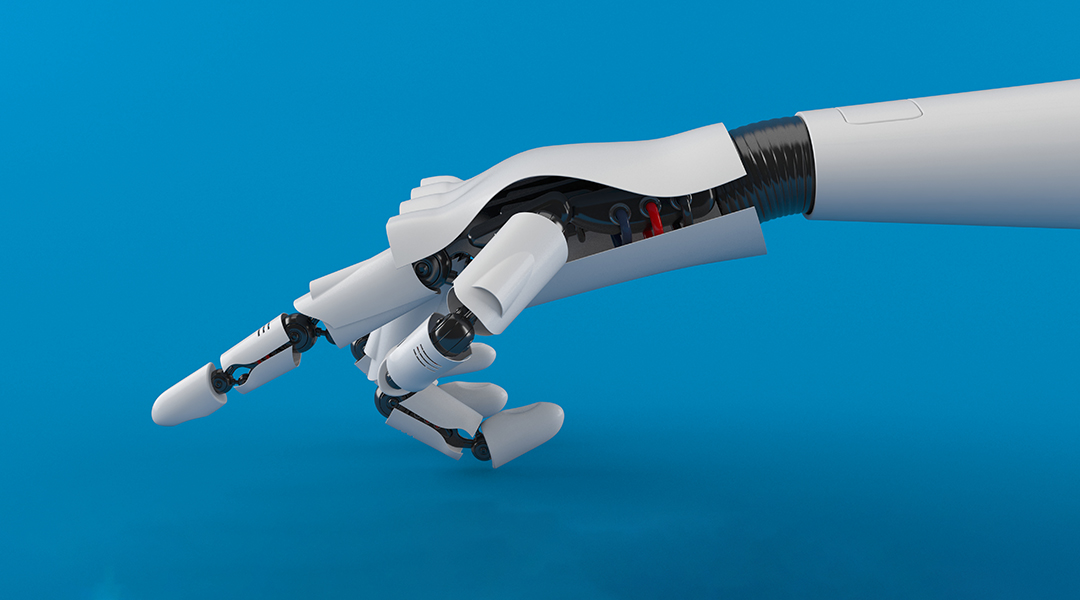
A new, flexible, and self-powered sensor made by magnetoelectric materials can convert mechanical stimuli to electrical signals for robots with a “soft touch”.

To mimic the fluid and versatile movement of soft-bodied animals, soft robots require their own “muscles” to function.

Hello HAL, do you read me HAL?

Will artificial intelligence expand and enhance its teaching prowess to the point where it can replace the professor in his or her traditional role?

Masking heat signatures from prying eyes, researchers develop a new material that functions as a cloaking device.
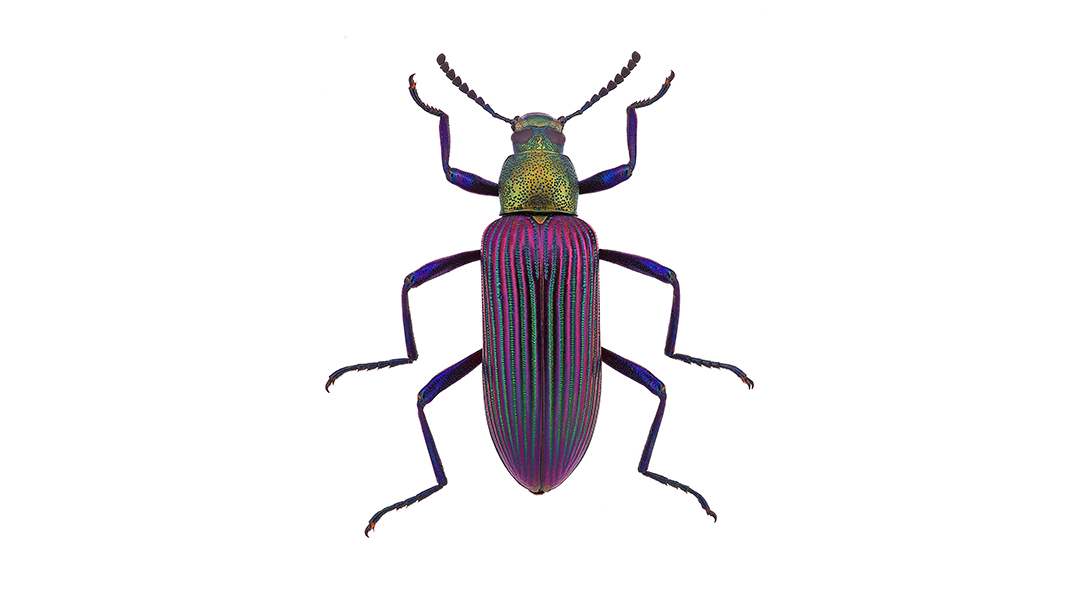
Researchers at Dartmouth have developed a miniature robotic bug that has a flexible body, is easily maneuverable, and can be completely flattened without damaging its functionality.

AI is being leveraged to provide machines with the capacity to match or even outperform humans in many endeavors. So what does this mean for the synthetic chemist?
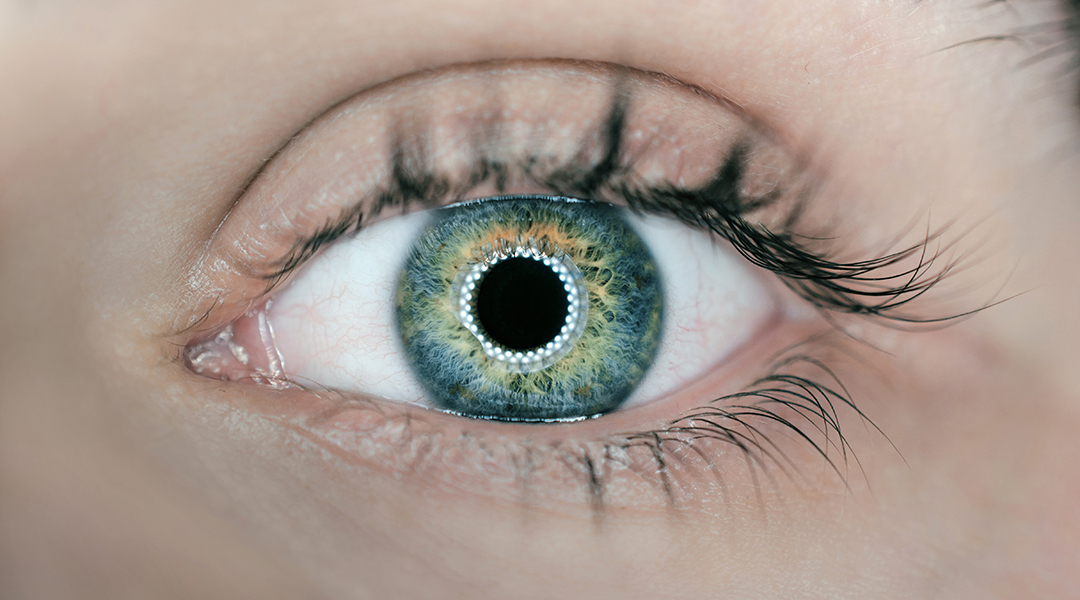
Smart contact lenses could revolutionize the way in which we monitor brain activity and diagnose neurological diseases.


 Micron-sized hidden dimensions could solve two of physics’ deepest puzzles
 Turning Periods into Power: Menstrual Blood a Valuable Resource for Medical Diagnostics
 Surfactants Steer Supraparticle Structure
 Bone loss in obesity traced to gut microbiota
 Edible electronics realize safe, complex monitoring devices
 Fermilab Confirms Muon g-2 Measurements