High-density stretchable electrode grids based on a material that can resolve high spatiotemporal neural signals from the surface of the cortex in freely moving rats with stable recording quality during 3 months of implantation.
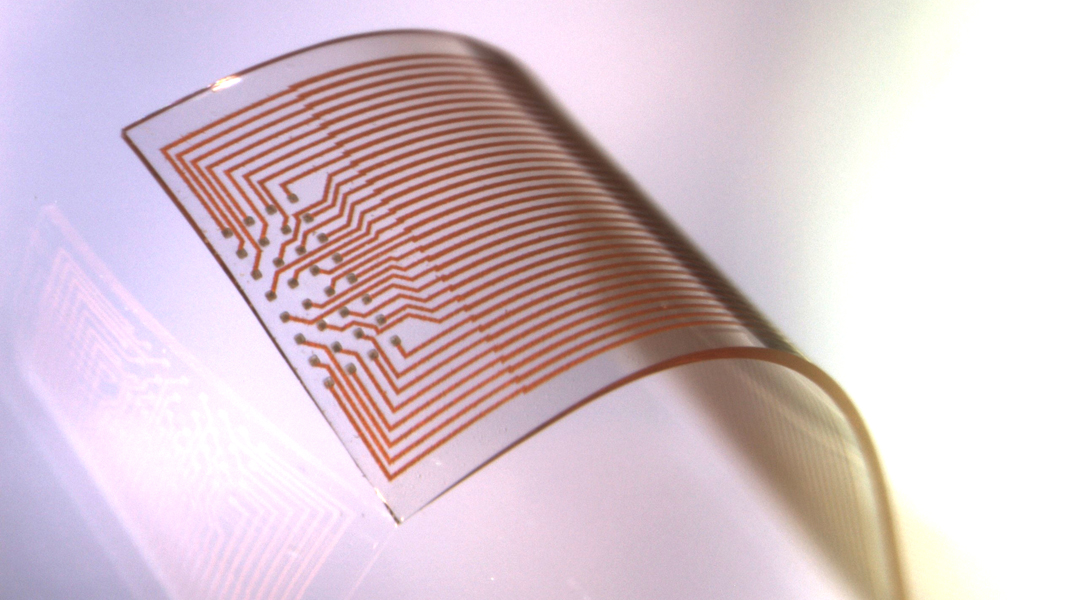

High-density stretchable electrode grids based on a material that can resolve high spatiotemporal neural signals from the surface of the cortex in freely moving rats with stable recording quality during 3 months of implantation.
![Wrinkle-Free Graphene [Video]](https://www.advancedsciencenews.com/wp-content/uploads/2018/03/adma201706504_ASN_image-1.jpg)
Graphene grown on Cu(111) foils is a step toward wrinkle-free graphene production for electronic devices application.
![3D e-Whiskers for Complex Sensing Applications [Video]](https://www.advancedsciencenews.com/wp-content/uploads/2018/03/adma201706733_ASN_image.png)
A scalable method for fabricating electronic whiskers (e-whiskers)—a class of electronic skin—for sensing a variety of external stimuli, including proximity, texture mapping, surface roughness, material stiffness, force, and temperature.

Graphene sensors with high-resolution features are produced on flexible tapes for wearable electronics via a simplified drop-cast-and-transfer process.
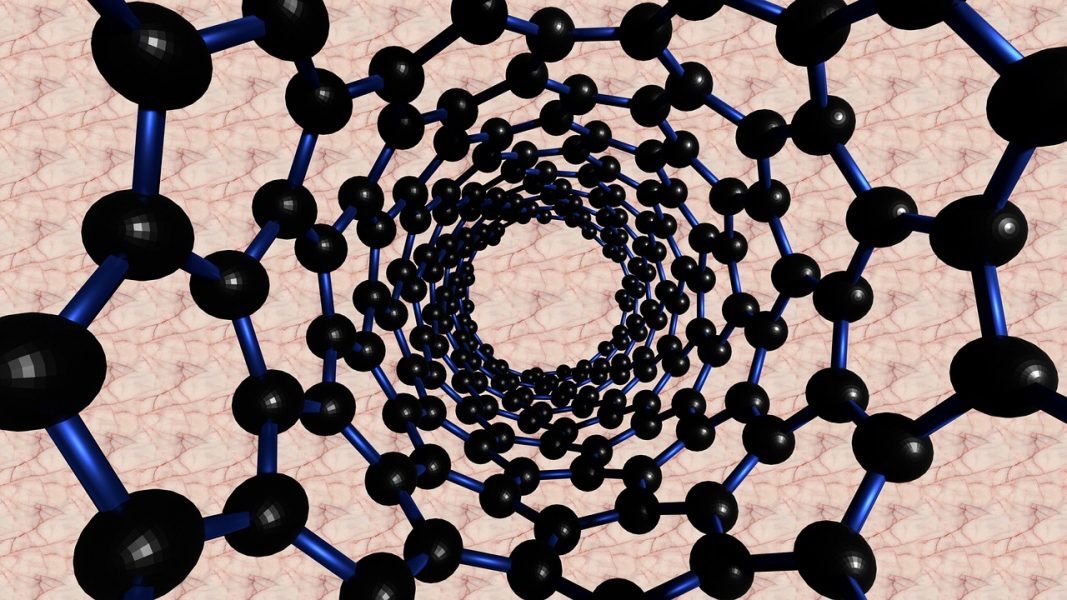
Carbon nanotube surfaces as ultrafast electron sources could influence the next generation of attosecond science and light-wave electronics research.

Sometimes the answer to a problem is exactly where you would expect it to be.

Lithium-metal batteries can hold up to 10 times more charge than batteries that currently power our phones, laptops, and cars; but, they have one fatal flaw…
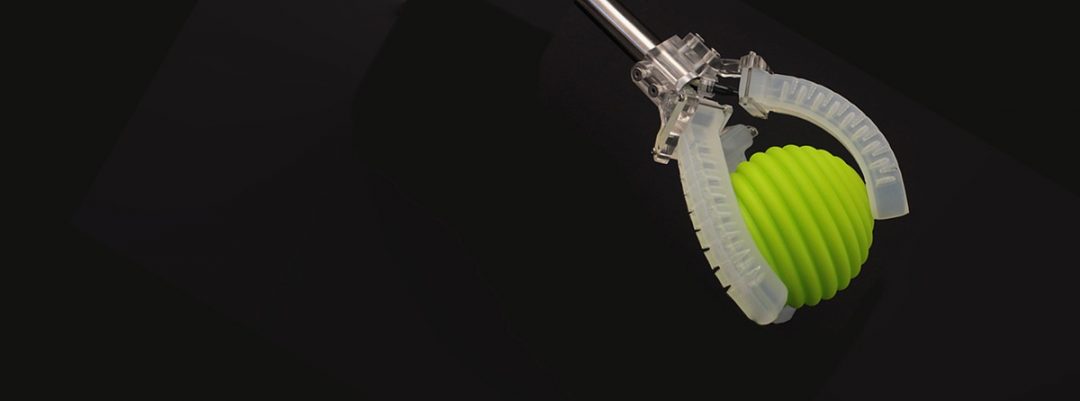
Researchers create soft robots that can sense touch, pressure, movement and temperature.
![Low-Power, High-Speed Analog Computing [Video]](https://www.advancedsciencenews.com/wp-content/uploads/2018/03/adma201705914_ASN_image-e1521125299316.png)
Researchers from the University of Massachusetts and Hewlett Packard Labs present a memristor platform for analog computations and forecast a device performance at least 16 times greater than purely digital solutions.
![The Superlubric Behavior of Graphene [Video]](https://www.advancedsciencenews.com/wp-content/uploads/2018/03/adma201705791_ASN_image-e1521123653865.png)
Professor Peter Coveney and co-workers from University College London elucidate the process that drives the exfoliation of graphite into graphene sheets using molecular dynamic simulations.
 New theory suggests gravity is not a fundamental force
 Higgs boson may be driving the Universe’s expansion
 Water-powered gadgets may be on the horizon thanks to new evaporation-based energy device
 Scientists discover a new class of antibiotics
 Micron-sized hidden dimensions could solve two of physics’ deepest puzzles
 Turning Periods into Power: Menstrual Blood a Valuable Resource for Medical Diagnostics