Arumugam Manthiram of the University of Texas at Austin was a Web of Science Highly Cited Researcher for 2017. Hear what he has to say about the problem of polysulfide shuttling in sulfur-based battery systems.
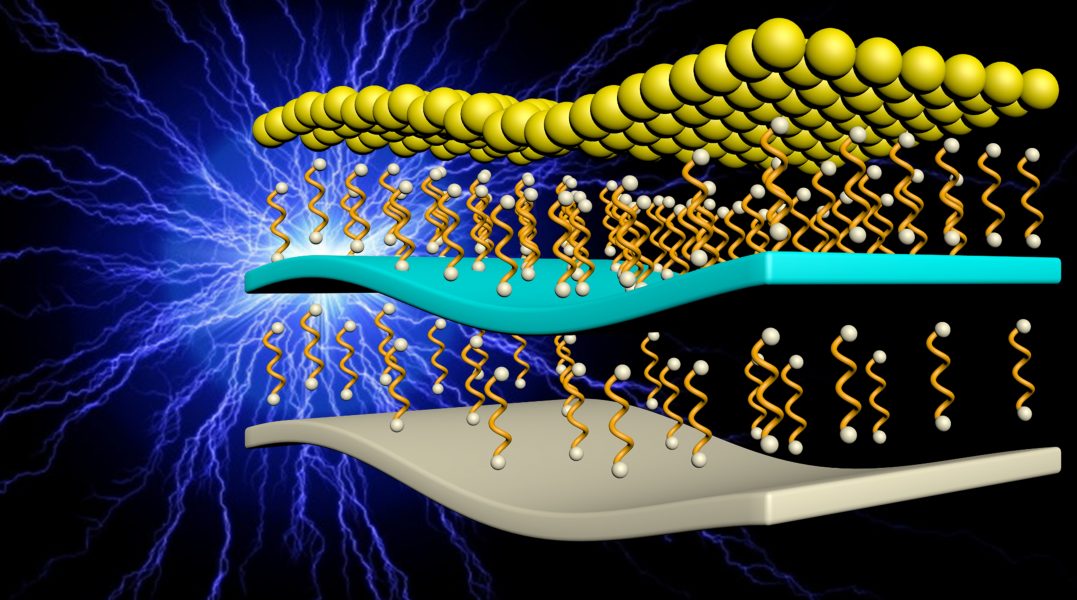

Arumugam Manthiram of the University of Texas at Austin was a Web of Science Highly Cited Researcher for 2017. Hear what he has to say about the problem of polysulfide shuttling in sulfur-based battery systems.
![Super-Repellent Surfaces Based on Triply Re‐Entrant Structures [Video]](https://www.advancedsciencenews.com/wp-content/uploads/2018/05/adma201800103_ASN_image_003.jpg)
Zhongze Gu and colleagues from Southeast University in China utilize direct laser writing to 3D-print omniphobic, triply re-entrant surfaces that can universally repel organic liquids.

There are new top review papers in Advanced Materials Interfaces “Hall of Fame”. All included papers are free to read for a limited time!
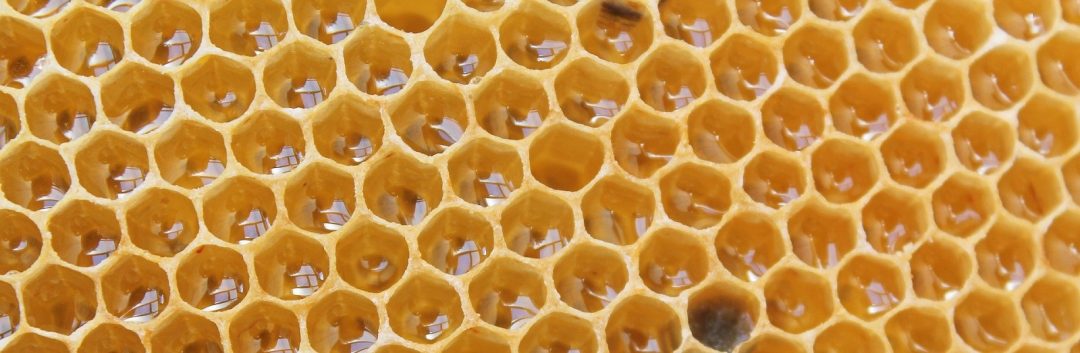
US researchers developed a honeycomb lattice that could increase battery life of electronic devices by more than a hundred-fold.
![Synthetic Anti-Ferromagnetic Nanostructures for Wearable Spintronic Devices [Video]](https://www.advancedsciencenews.com/wp-content/uploads/2018/05/adma201800449_ASN_image.png)
Ionic gel modulation of Ruderman–Kittel–Kasuya–Yosida interactions in flexible, synthetic anti-ferromagnetic nanostructures.

Stimulation of nerves by an artificial retina toward therapeutics for blindness.
![Maximizing the Storage Capacity of Lithium in Carbon Materials [Video]](https://www.advancedsciencenews.com/wp-content/uploads/2018/05/smll201704394_ASN_image.jpg)
A lithium-doped carbon material is developed as an anode that can enhance the lithium storage capacity in lithium-ion batteries.
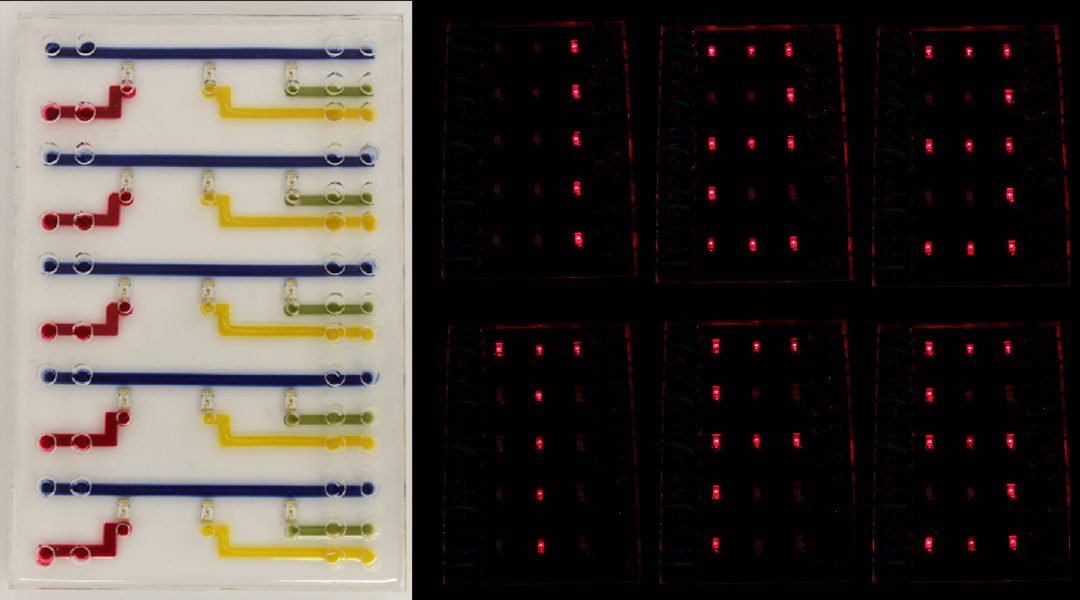
Complex, aqueous-stable, hydrogel ionic circuits towards transparent, flexible, biocompatible bioelectronic devices.
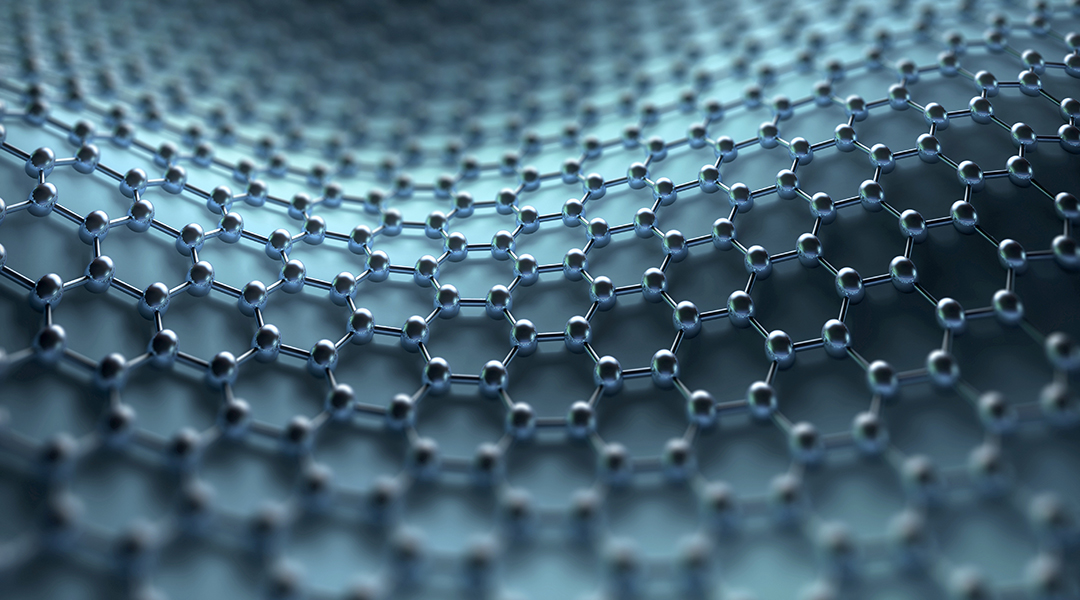
A new method to improve the mechanical durability of graphene films based on the introduction of chemically-attachable nanometer-thick organic patches onto a graphene surface is reported.
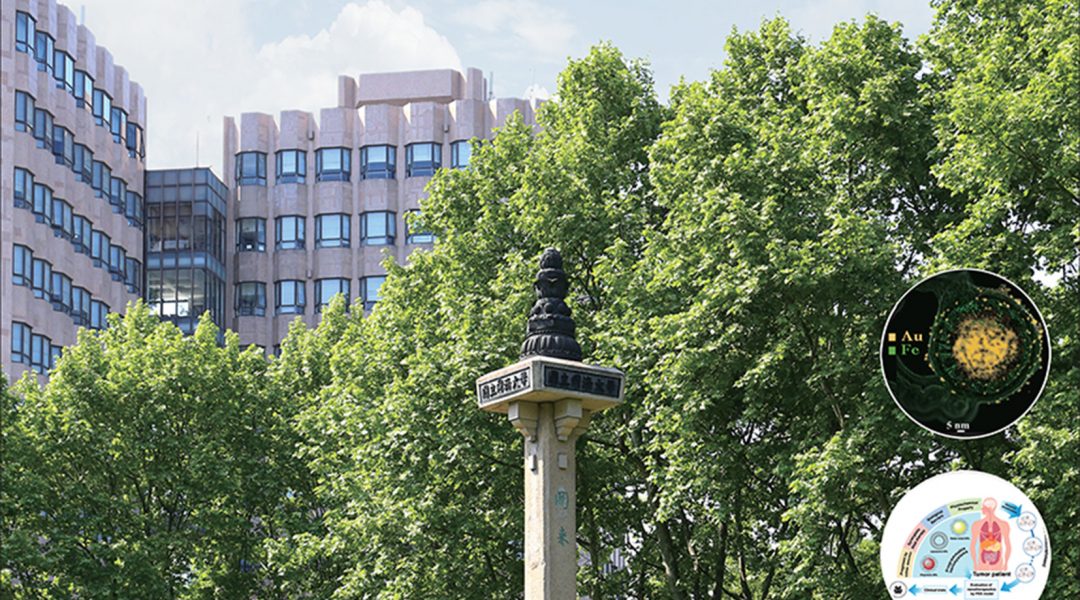
Guest-edited by Yunhui Huang, the special issue “110th Anniversary of Tongji University” in Advanced Materials celebrates the long tradition of Tongji University and some of its top materials scientists.
 New theory suggests gravity is not a fundamental force
 Higgs boson may be driving the Universe’s expansion
 Water-powered gadgets may be on the horizon thanks to new evaporation-based energy device
 Scientists discover a new class of antibiotics
 Micron-sized hidden dimensions could solve two of physics’ deepest puzzles
 Turning Periods into Power: Menstrual Blood a Valuable Resource for Medical Diagnostics