A new skin-mounted sensor uses the skin itself as a floating electrode, enabling low-power health monitoring and doubles as an electroluminescent display.
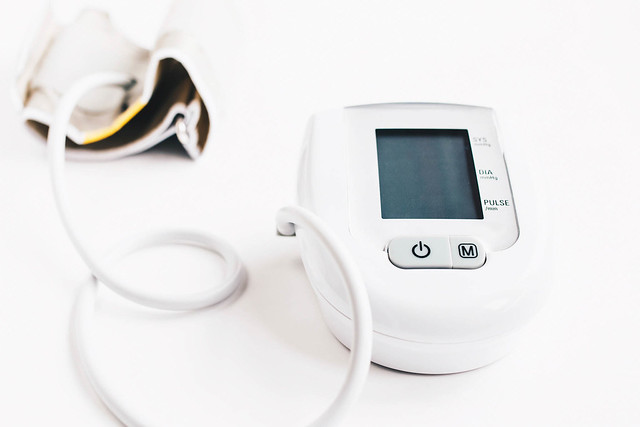

A new skin-mounted sensor uses the skin itself as a floating electrode, enabling low-power health monitoring and doubles as an electroluminescent display.

Today Advanced Science News celebrates the 45th birthday of Nobel Laureate Sir Konstantin Novoselov.
![Monitoring Marine Creatures in the Deep Sea [Video]](https://www.advancedsciencenews.com/wp-content/uploads/2019/08/Cover-for-use-on-title-slide.jpg)
Non-invasive wearable devices are designed for biologging species in underwater environments.

Electrically conductive hydrogels are a promising platform for flexible supercapacitors and batteries.

Tannic acid, commonly used in medicine or the technical and food industry, may soon help make electronic components and adhesives more durable and better for the environment.
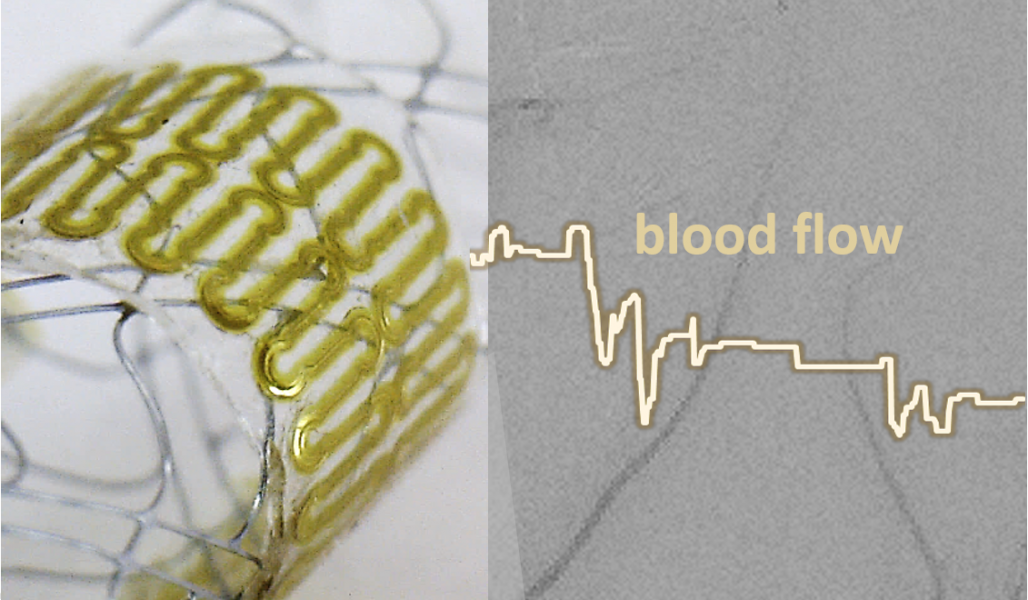
A fully printed, wireless, stretchable, implantable biosystem that offers batteryless, real-time monitoring of cerebral aneurysm hemodynamics is developed.

Prof. Jungchul Lee reports a four degrees-of-freedom direct writing technique for liquid metal patterns.

Integration of a magnetic elastomer with data-driven analysis leads to a continuous interaction surface that can estimate location and depth of indentation.
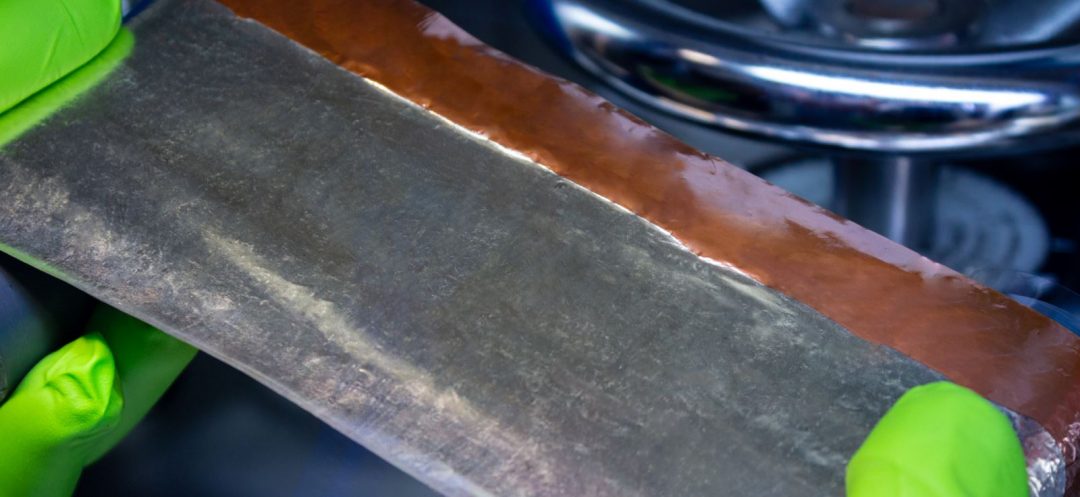
Fraunhofer is developing innovative solutions for current challenges in lithium-metal anodes.

A novel solution-processing organic flexible synaptic device with bidirectional linear conductance regulation.
 New theory suggests gravity is not a fundamental force
 Higgs boson may be driving the Universe’s expansion
 Water-powered gadgets may be on the horizon thanks to new evaporation-based energy device
 Scientists discover a new class of antibiotics
 Micron-sized hidden dimensions could solve two of physics’ deepest puzzles
 Turning Periods into Power: Menstrual Blood a Valuable Resource for Medical Diagnostics