Automated molecule design through machine learning helps scientists identify and synthesize a new polymer electrolyte for lithium-ion batteries.


Automated molecule design through machine learning helps scientists identify and synthesize a new polymer electrolyte for lithium-ion batteries.
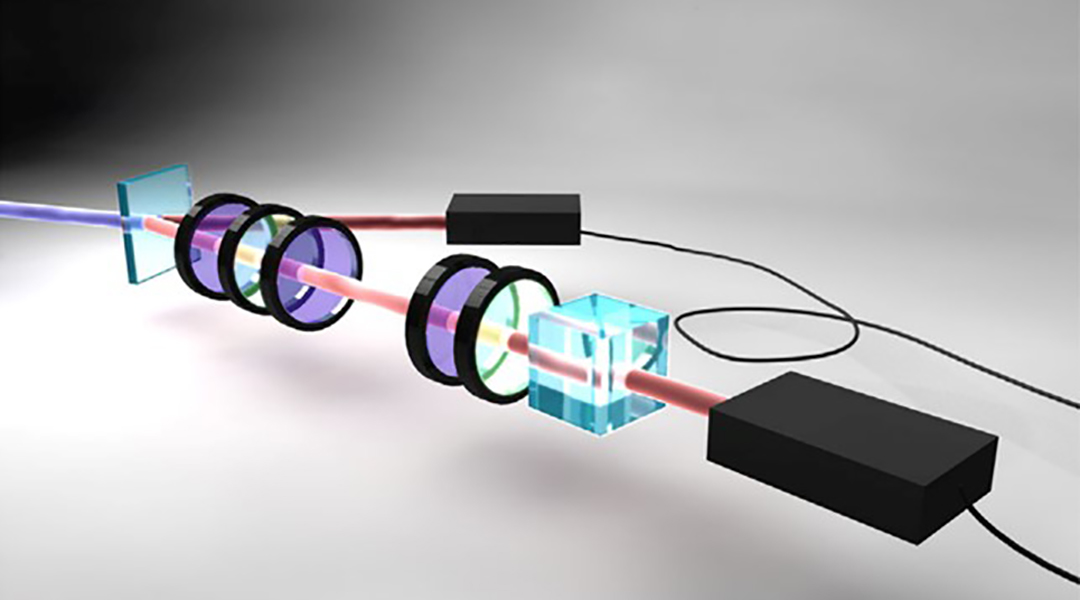
Quantum computing to process large amounts of data tested by bringing together complementary and versatile quantum processors.
Memristor-based sensing devices generate biological-like electrical signals that mimic those found in the brain for better computing.

A new approach to in-memory computing proposes a new set up to create an artificial synapse that can both store and process data.

A set of quantum computers was put to the test by playing the notorious triangle game.
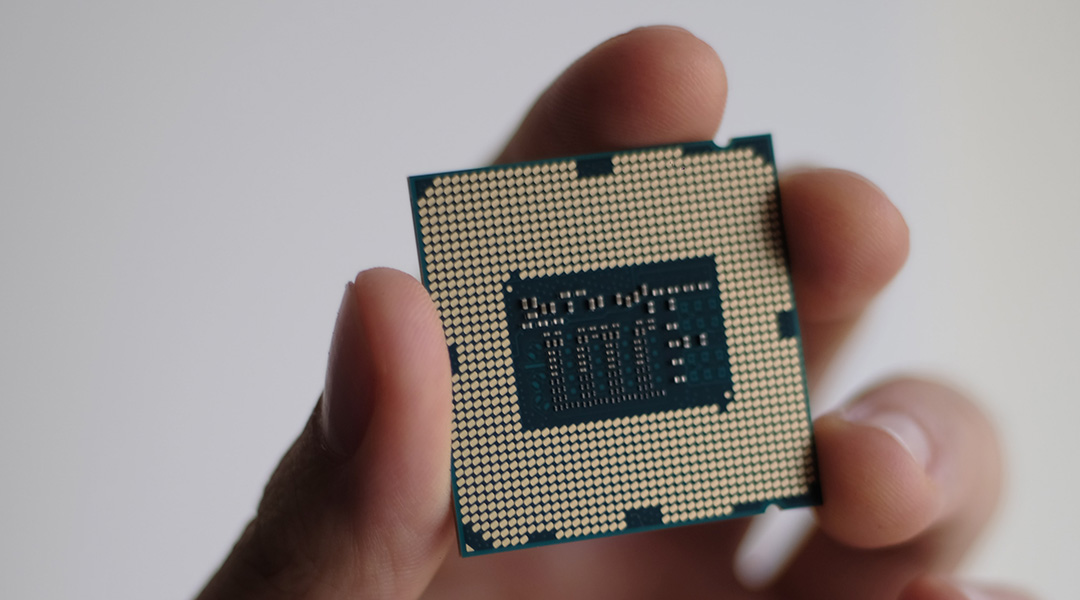
Using tiny batteries, researchers hope to power ever-smaller computers and advance the Internet of Things and ubiquitous computing.

The debate around COVID-19 boosters is highly nuanced, but a new computational model could help better inform policy around such measures in an evolving pandemic.
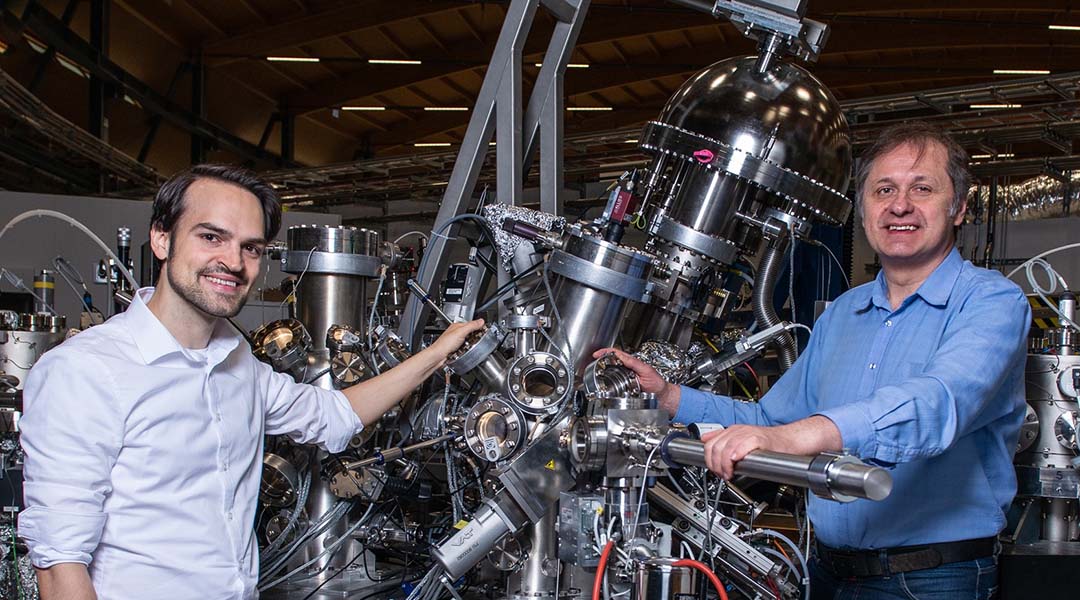
A new endeavor explores the idea of topological qubits that are easy to engineer for error-free quantum computing.
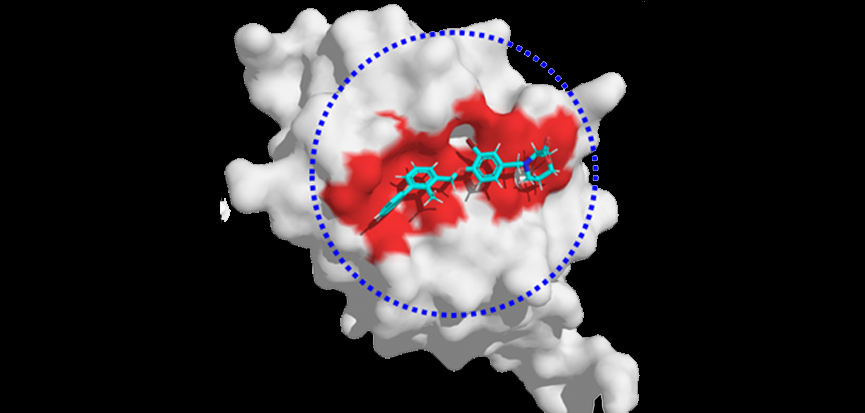
Artificial intelligence and machine learning are playing increasing roles in drug discovery, potentially saving significant time and money.

What good is a fast computer if you can’t rely on it?

 Micron-sized hidden dimensions could solve two of physics’ deepest puzzles
 Turning Periods into Power: Menstrual Blood a Valuable Resource for Medical Diagnostics
 Surfactants Steer Supraparticle Structure
 Bone loss in obesity traced to gut microbiota
 Edible electronics realize safe, complex monitoring devices
 Fermilab Confirms Muon g-2 Measurements