Exploring advances in extracellular vesicles research made in the last ten-years and how its leading to better clinical applications.


Exploring advances in extracellular vesicles research made in the last ten-years and how its leading to better clinical applications.
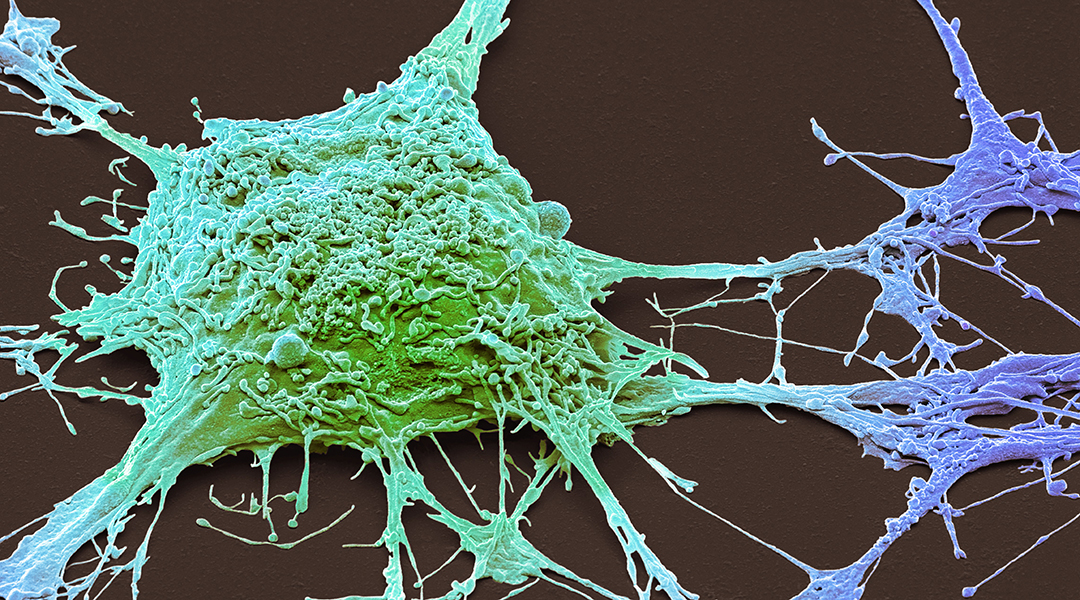
Understanding how mRNA localization changes during healthy brain functions and pathological conditions.
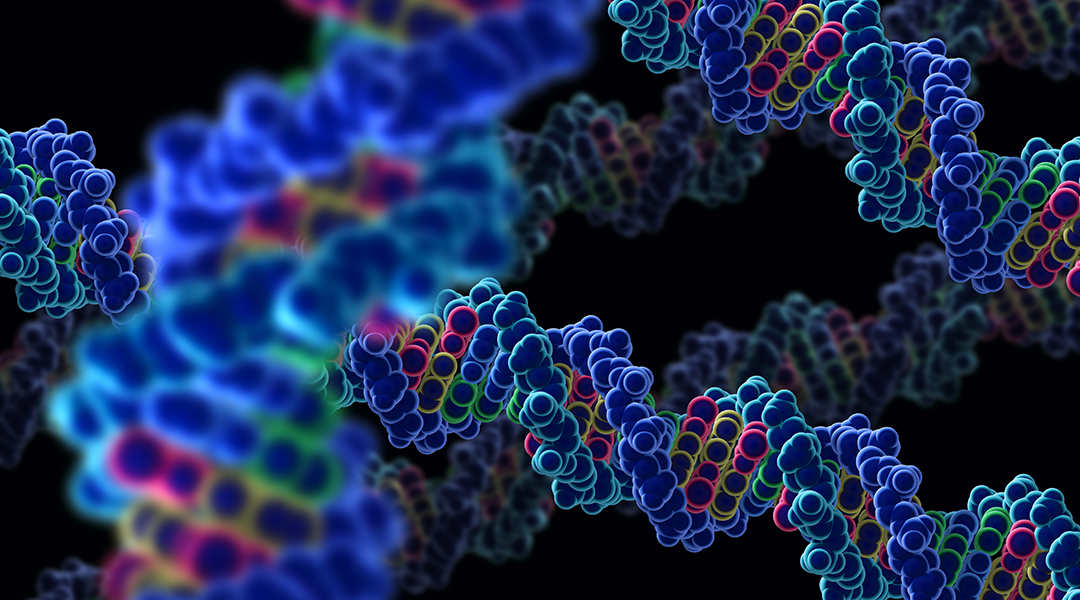
Every gene found in our DNA exerts its action via the activity of its encoded protein product. However, the synthesis of the protein cannot take place directly from the gene. An intermediate messenger RNA (mRNA) molecule is first produced from the gene via a process...

Researchers studied two important protein mutations that are known to cause cataracts, and hope that their improved understanding will help in future treatment plans.
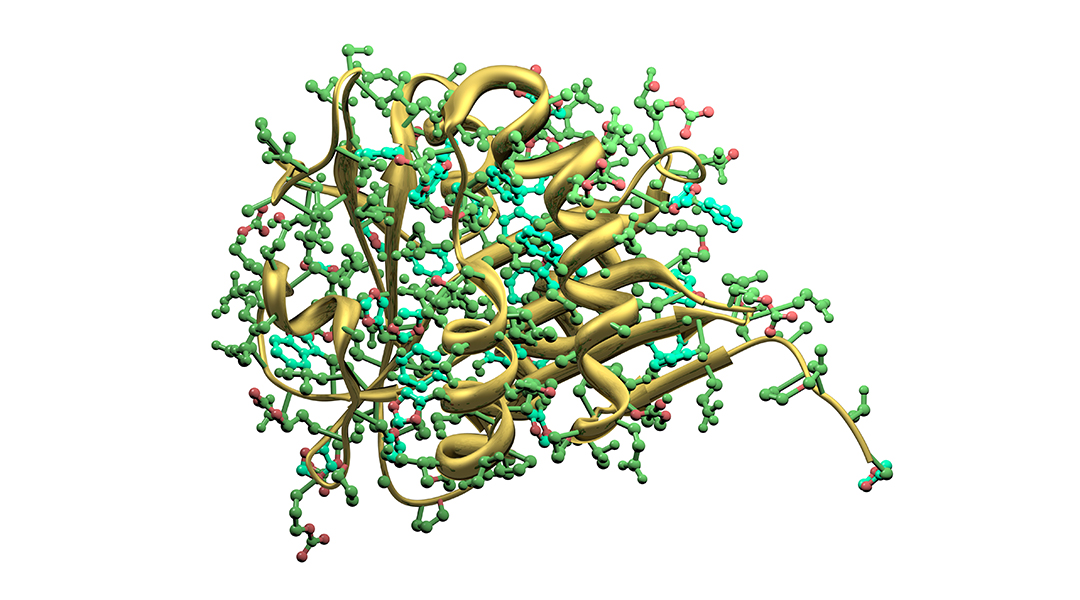
Artificial enzymes promise to not only help us understand the complex functioning of enzymes, but will create a new generation of biosystems for sustainable chemistry practices.

The lifespan of C. elegans, an organism that responds to cellular stress in a similar way to humans, can be extended by activating a mechanism initiated by glial cells in the brain.

Studying the links between cilia and signaling pathways sheds light on our understanding of nervous system development.

Researchers find one more piece in the puzzle of ancient ecology.
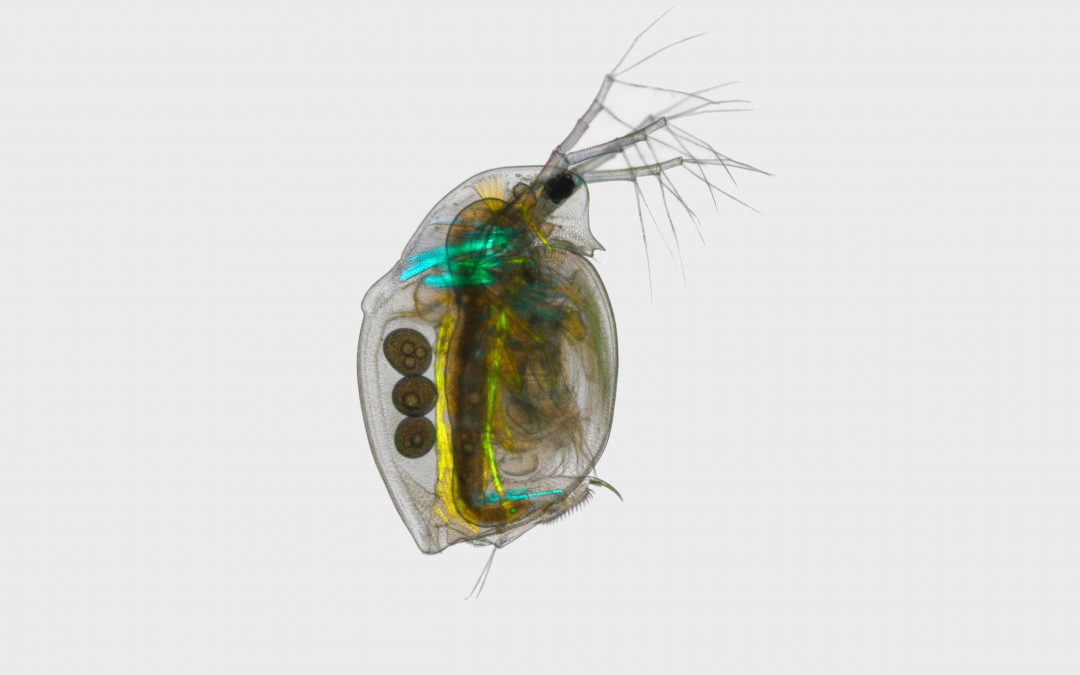
What is the advantage of laying eggs that are expensive to produce and take a long time to hatch? Perhaps there is more to this paradox then we originally thought.

The remarkably agile arms of the octopus are a source of inspiration for the design of autonomous robots.


 Micron-sized hidden dimensions could solve two of physics’ deepest puzzles
 Turning Periods into Power: Menstrual Blood a Valuable Resource for Medical Diagnostics
 Surfactants Steer Supraparticle Structure
 Bone loss in obesity traced to gut microbiota
 Edible electronics realize safe, complex monitoring devices
 Fermilab Confirms Muon g-2 Measurements