Intercellular communication may provide a mechanism to exploit and buffer cell-to-cell variability.
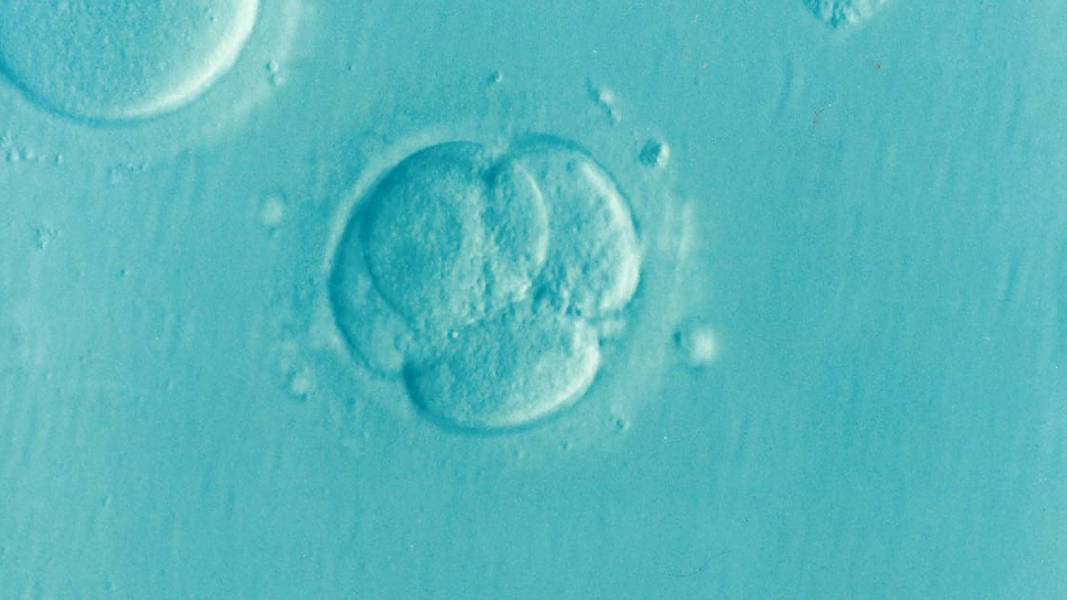

Intercellular communication may provide a mechanism to exploit and buffer cell-to-cell variability.
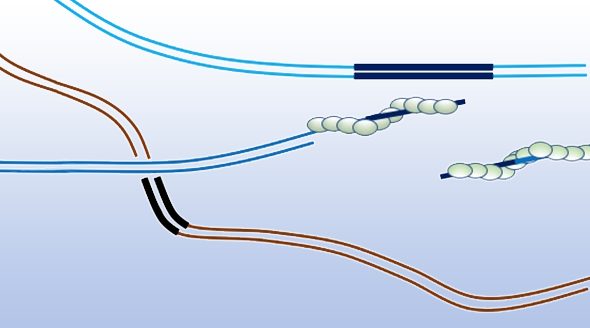
In his review published in BioEssays, James Haber takes a look at how the ends of a broken chromosome find a template with which to repair such a double-strand break.
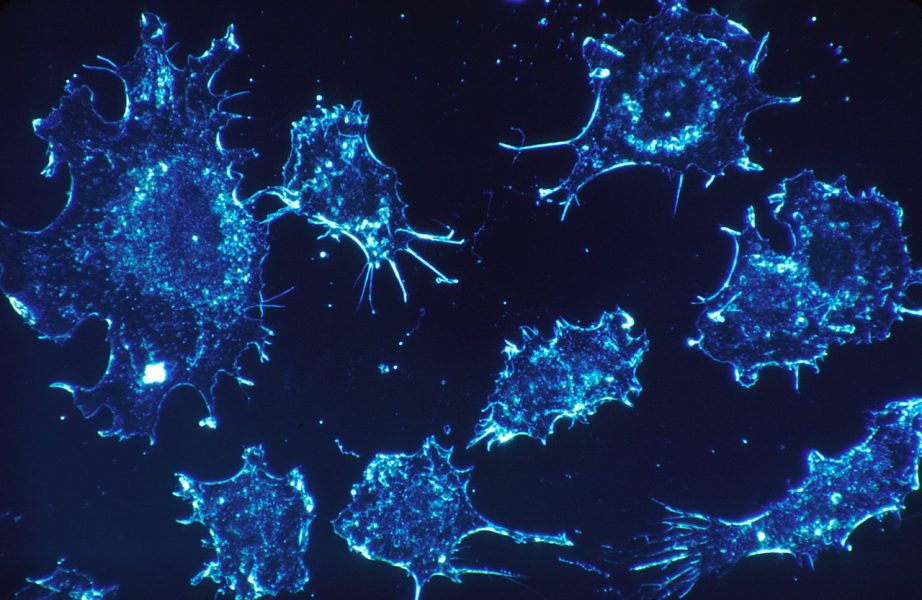
In their “Hypothesis” article published in BioEssays, Nirmalya Chatterjee and Dirk Bohmann discuss the interplay between Nrf2 and BET proteins and the resultant implications for therapies targeting these proteins.
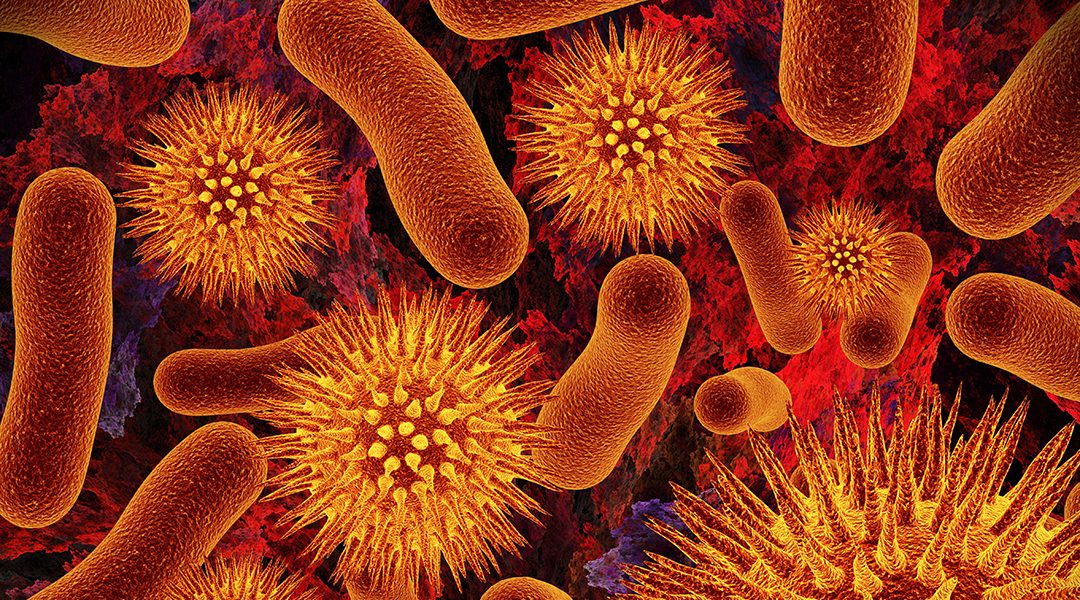
Analyses representing the state-of-the-art in our understanding of the complex host–microbiome relationship are presented.
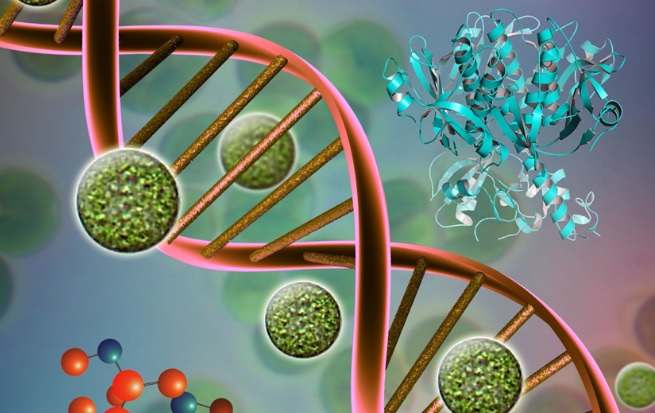
Protein immobilization directly from cell lysates is demonstrated in a new process that avoids expensive purification steps but expertly maintains target protein selectivity.
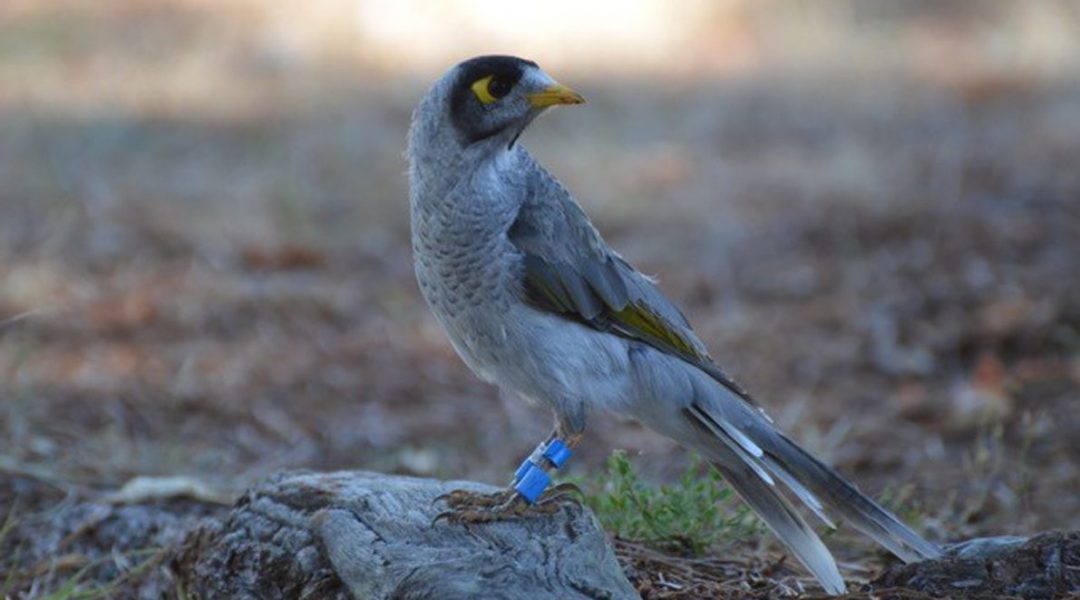
Conservationists remove a pest bird species from Australian forests—only to find that it keeps coming back.

Essential oils could provide a potential solution for the growing problem of multidrug-resistant organisms.
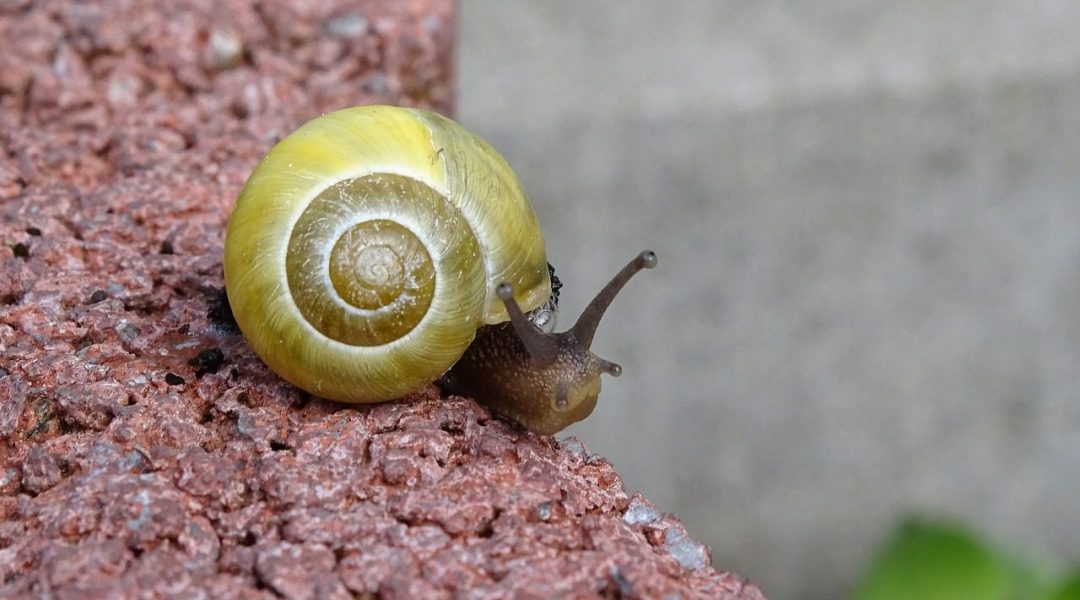
Creative change of scale facilitates a multi-landscape analysis.
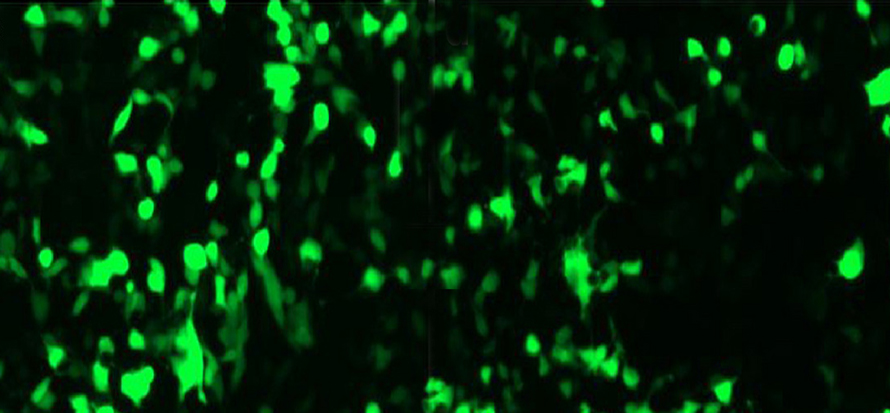
A possible relationship between commonly-occurring oral bacteria and the cancer-causing human papillomavirus (HPV).
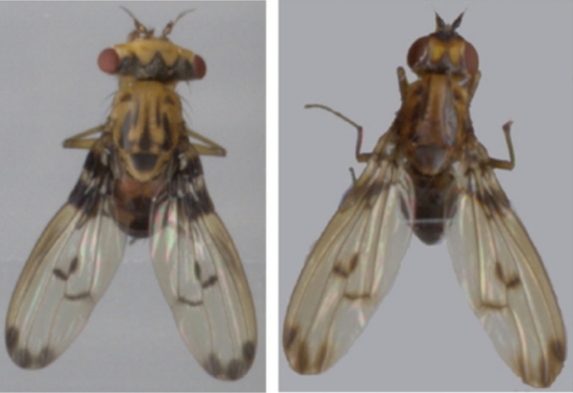
In their review published in BioEssays, Patrick O’Grady and Rob DeSalle review and discuss why the Hawaiian Drosophila serves as a good evolutionary model clade.
 New theory suggests gravity is not a fundamental force
 Higgs boson may be driving the Universe’s expansion
 Water-powered gadgets may be on the horizon thanks to new evaporation-based energy device
 Scientists discover a new class of antibiotics
 Micron-sized hidden dimensions could solve two of physics’ deepest puzzles
 A new type of dark matter could explain mysterious radiation from the Milky Way’s core