A team of researchers from the University of North Carolina and the University of Washington introduce therapeutic nanoparticles that enhance the delivery of brain-derived neurotrophic factor (BDNF) to the brain for therapy of neurological diseases.
![Brain-Derived Neurotrophic Factor Nanoformulation for Treating Neurological Diseases [Video]](https://www.advancedsciencenews.com/wp-content/uploads/2018/02/adfm201703982_ASN_image.png)

A team of researchers from the University of North Carolina and the University of Washington introduce therapeutic nanoparticles that enhance the delivery of brain-derived neurotrophic factor (BDNF) to the brain for therapy of neurological diseases.
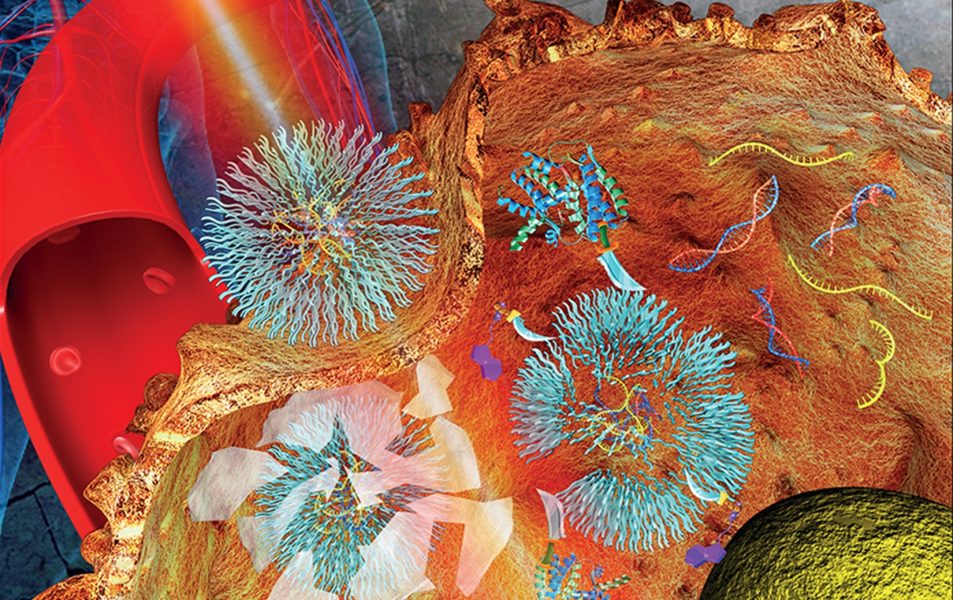
Latest Advanced Healthcare Materials covers.
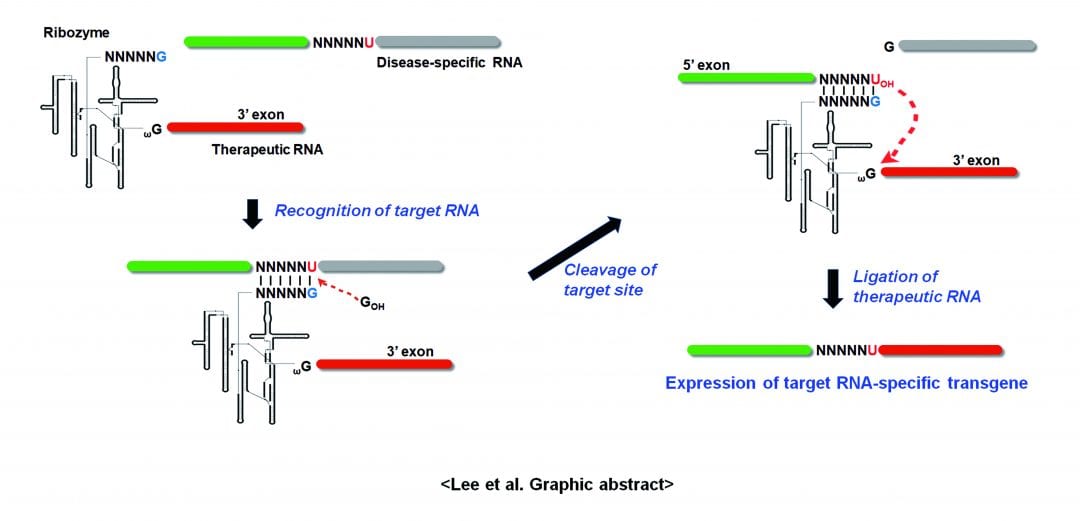
Group I intron-based trans-splicing ribozyme specifically recognizes disease-specific RNA, removes the sequence downstream of the target site, and replaces it with a 3’-exon encoding a therapeutic/reporter RNA sequence, inducing therapeutic/reporter activity selectively in the target RNA-expressing cells.
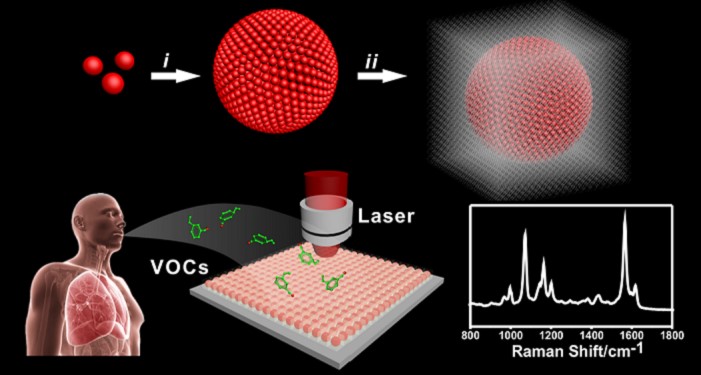
A biosensor based on SERS to detect lung cancer volatile organic compound (VOC) from exhaled breath.
![Lipid-based Films for Biomedical Applications [Video]](https://www.advancedsciencenews.com/wp-content/uploads/2018/02/adfm201704356_ASN_image_without_logo.png)
Cecilia Leal from the University of Illinois and co-workers summarize the current research on lipid-based films for biomedical applications and provide new insight into multilayered hybrid lipid–polymer films for substrate-mediated drug delivery.
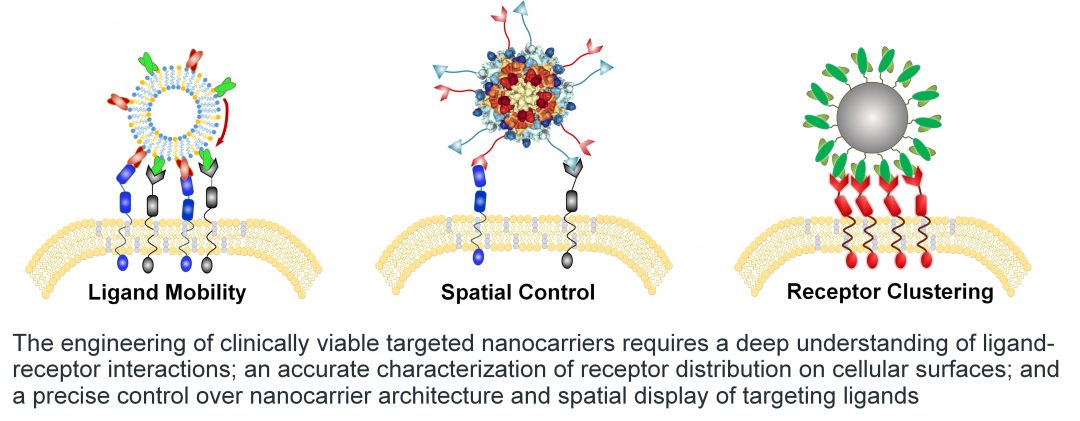
Nanocarriers can be precision-engineered to capitalize on what is known about receptor expression patterns, receptor clustering, and ultimately how interactions between a nanocarrier and target can be manipulated to achieve the most effective downstream signaling events.
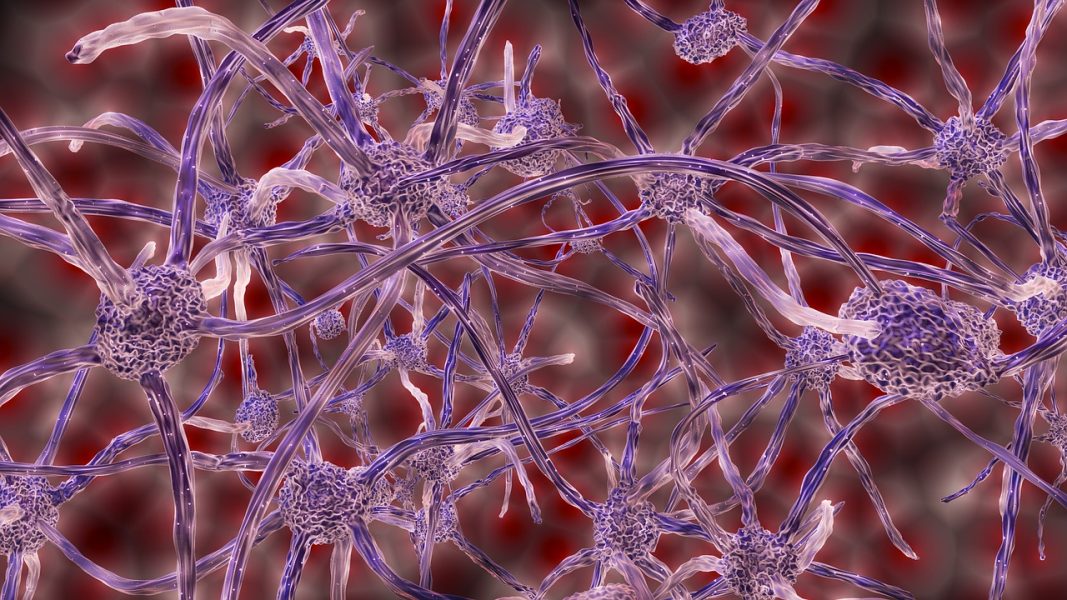
Advanced Healthcare Materials papers you have downloaded and read the most last month.
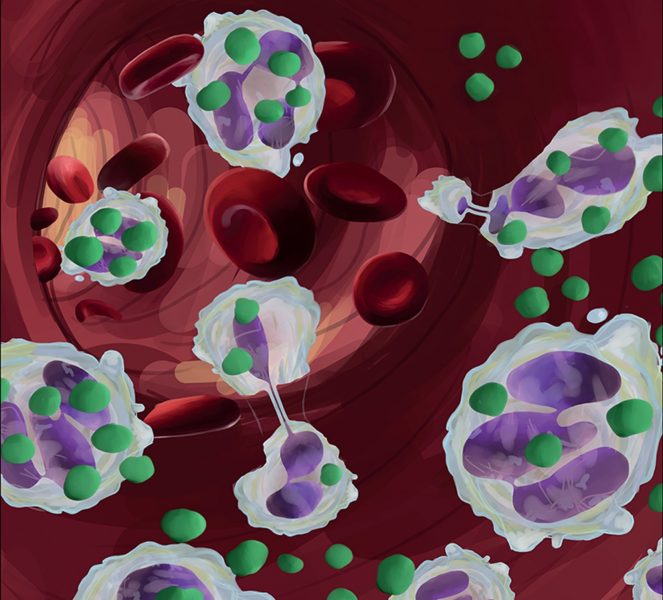
Latest Advanced Healthcare Materials covers.

Clinical translation of stem cell therapies requires clear definition and characterization of the cell populations, especially in a biologically diverse group of non-human mammalian species.
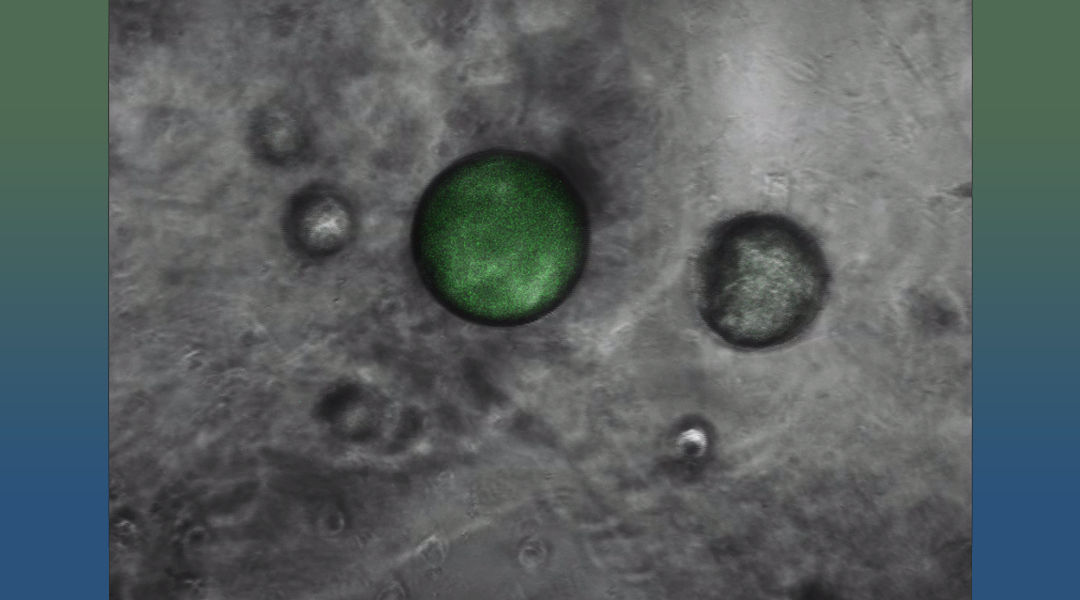
Synthetic cells that function as autonomous systems for producing an anti-cancer protein inside the body are developed.

 Micron-sized hidden dimensions could solve two of physics’ deepest puzzles
 Turning Periods into Power: Menstrual Blood a Valuable Resource for Medical Diagnostics
 Surfactants Steer Supraparticle Structure
 Bone loss in obesity traced to gut microbiota
 Edible electronics realize safe, complex monitoring devices
 Fermilab Confirms Muon g-2 Measurements