A microneedle-array patch worn on the skin mimics the stable insulin secretion pattern of a healthy pancreas.
![An On-Skin Artificial Pancreas for Diabetes Management [Video]](https://www.advancedsciencenews.com/wp-content/uploads/2019/02/adfm201807369_ASN_001-e1550050676442.jpg)

A microneedle-array patch worn on the skin mimics the stable insulin secretion pattern of a healthy pancreas.
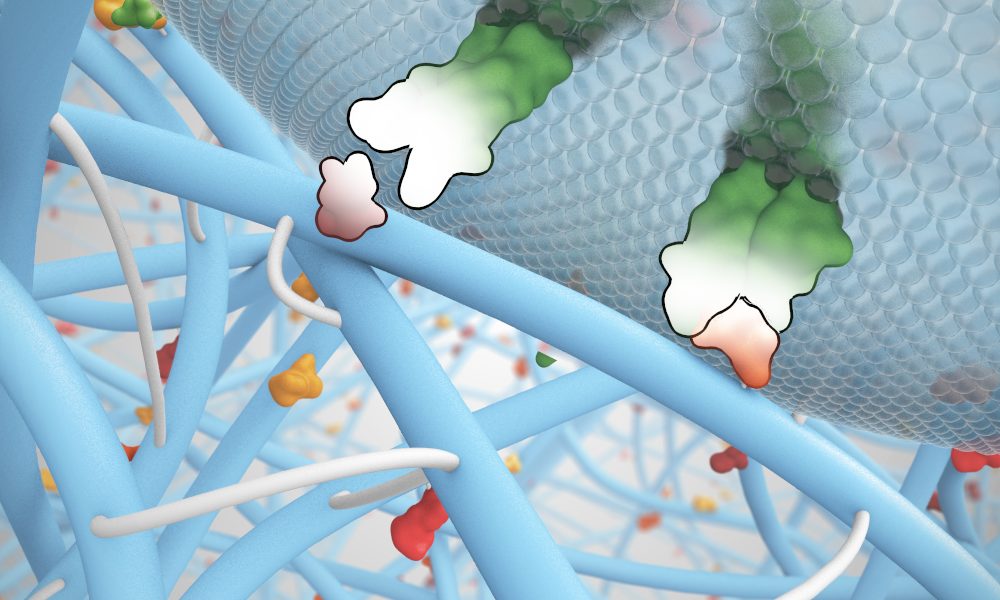
A special issue of Macromolecular Bioscience highlights progress in supramolecular hydrogel biomaterials.
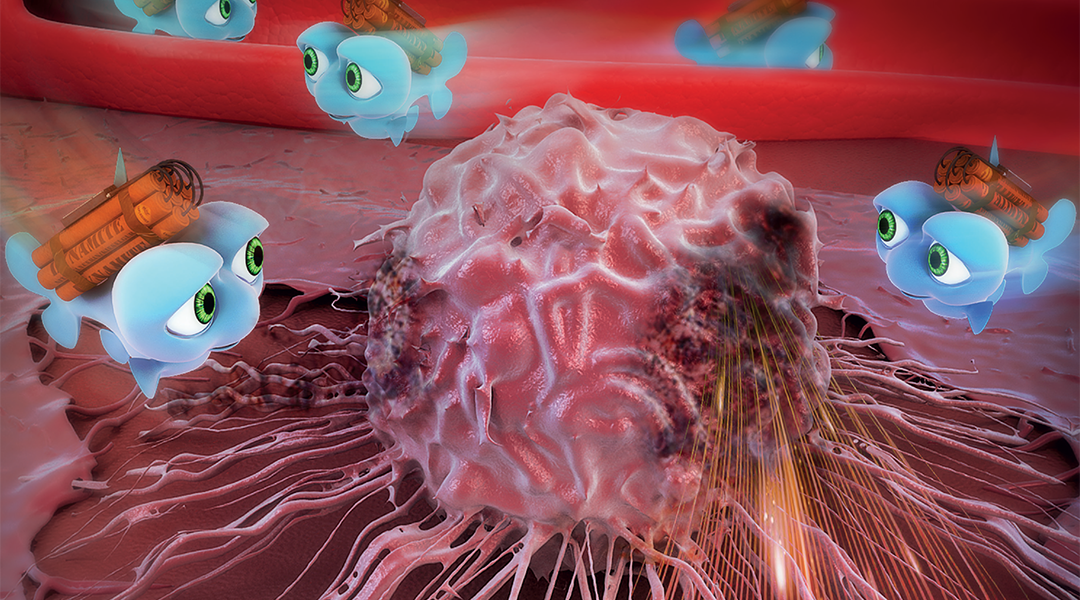
Self-assembling protein nanoparticles that target the mitochondria and rapidly accumulate in tumors have potential for combination therapies.

Amoeboid cell microtransporters carry microcargo in an independent, self-organized fashion.
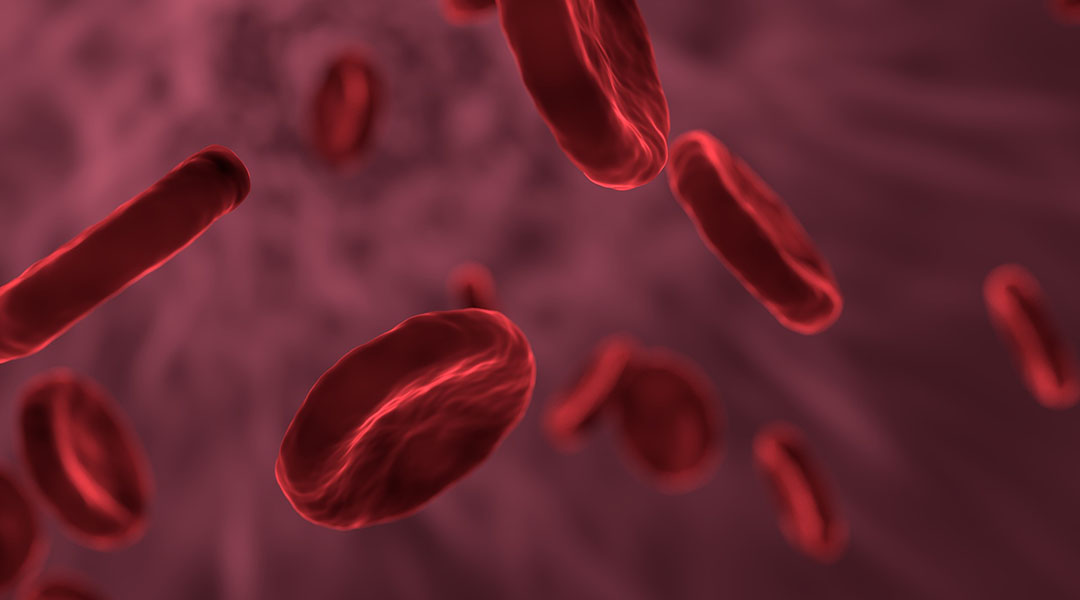
Multifunctional polylactide stomatocytes are engineered to mimic red blood cells.

Spatial and temporal control of drug production is achieved by optogenetical triggering a hydrogel-encapsulated bacterial system.
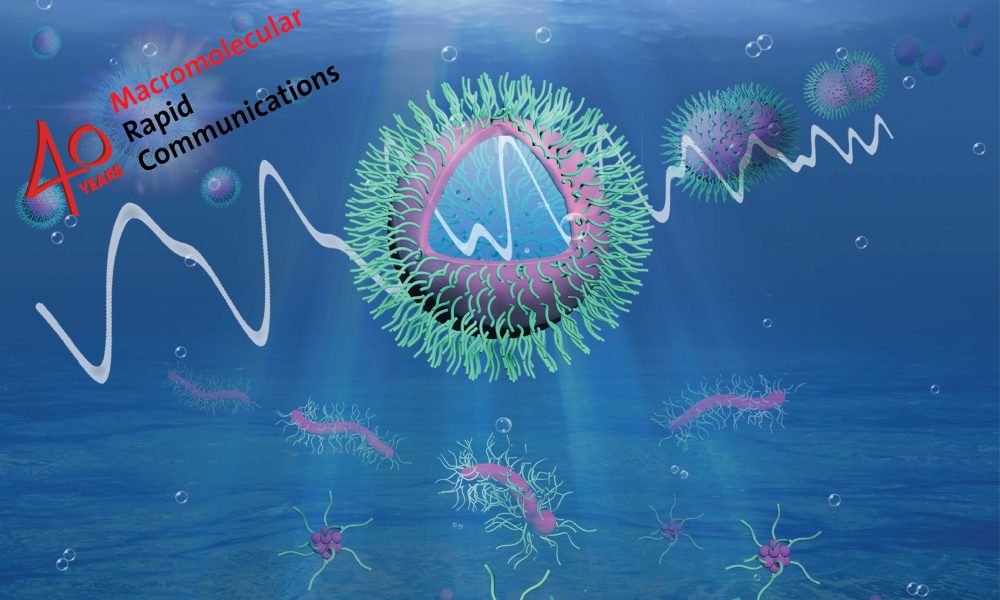
Polymerization‐induced self‐assembly (PISA) has become increasingly popular over the last decade. Macromolecular Rapid Communications has dedicated a special issue to this exciting field.

Re-exploring poly(N,N‐dimethylaminophenylene methacrylamide) as a novel antimicrobial polymer.
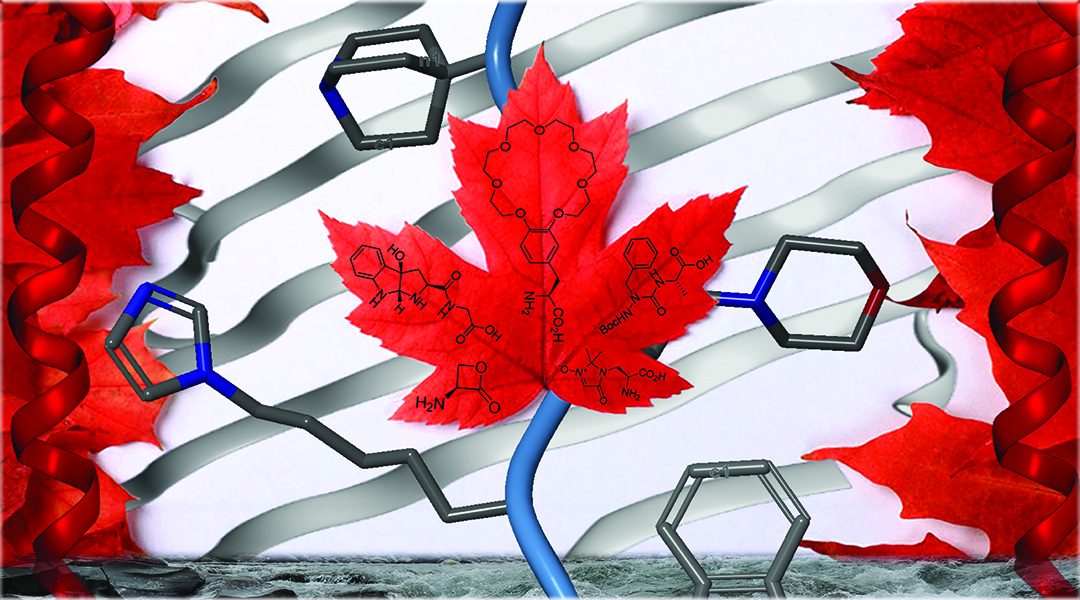
Peptide research in Canada is highighted in a special issue of Peptide Science, guest edited by William D. Lubell.
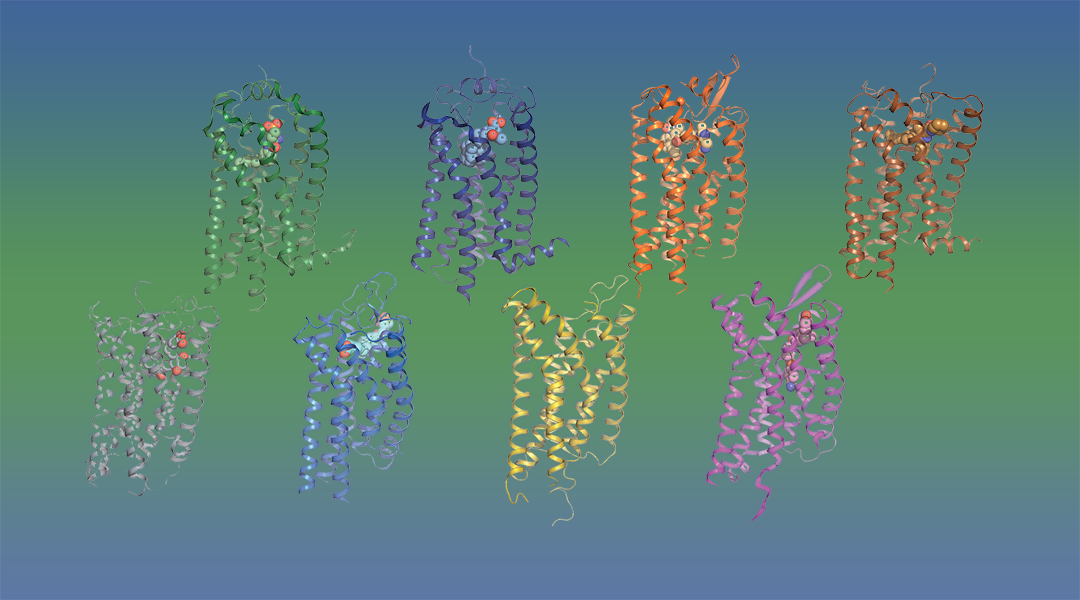
Outstanding structural and pharmacological features of eight unique lipid‐binding receptors, one of the most difficult G protein‐coupled receptor families to study, have been revealed.
 Micron-sized hidden dimensions could solve two of physics’ deepest puzzles
 Turning Periods into Power: Menstrual Blood a Valuable Resource for Medical Diagnostics
 Surfactants Steer Supraparticle Structure
 Bone loss in obesity traced to gut microbiota
 Edible electronics realize safe, complex monitoring devices
 Fermilab Confirms Muon g-2 Measurements