Growing brain tissue requires capturing the realistic “squishiness” and cohesion between cells, but how each cell type contributes has been a mystery.
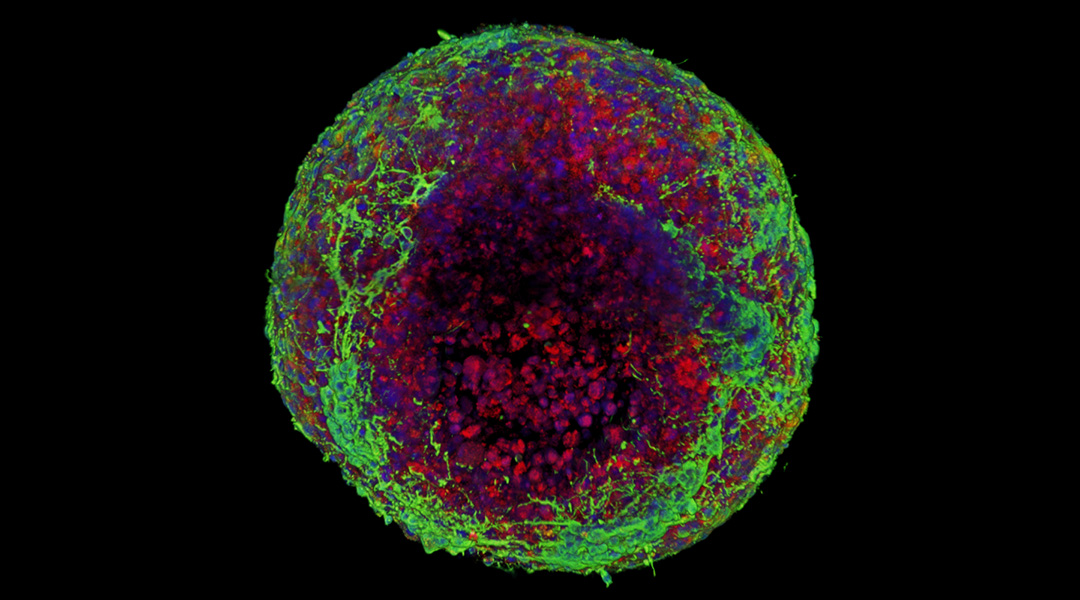

Growing brain tissue requires capturing the realistic “squishiness” and cohesion between cells, but how each cell type contributes has been a mystery.
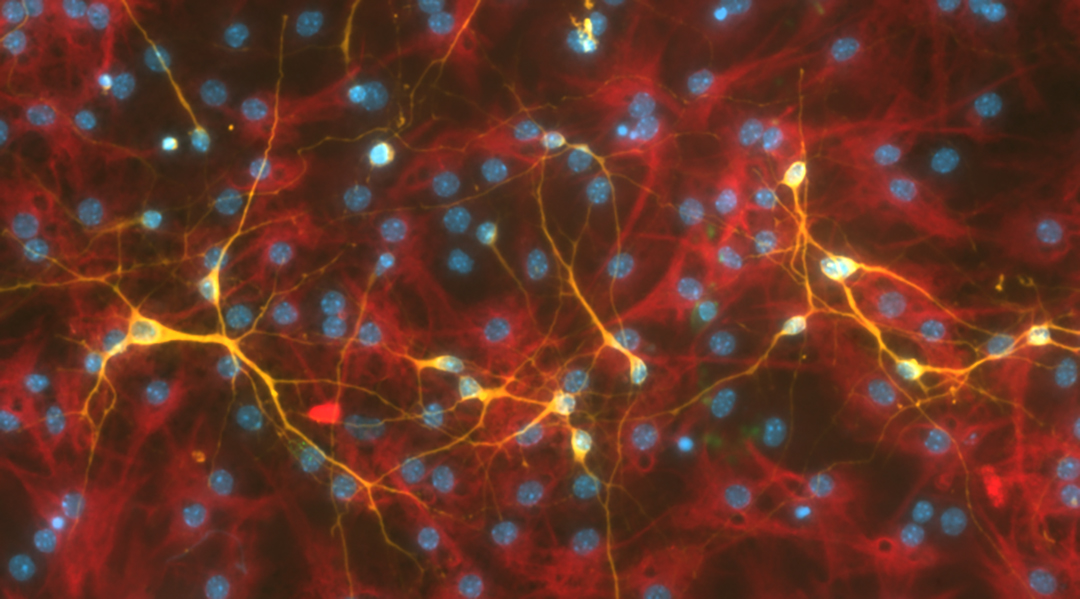
When activated by mechanical stress, a piezoelectric material efficiently stimulates the differentiation of stem cells into new neurons.
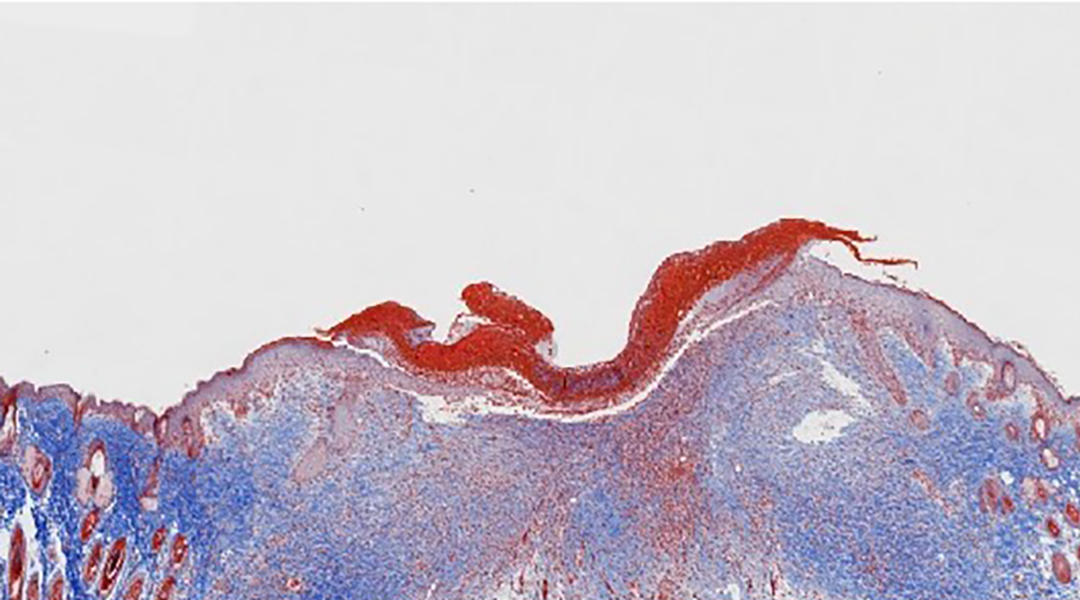
An engineered skin with a new secret ingredient helps avoid harmful inflammation while speeding up the wound healing process.
Catalysts that mimic antioxidase enzymes show promise in treating inflammatory diseases, such as gum disease, lupus, or cancer.
An implantable hybrid device combines the benefits of two therapeutic approaches to help repair nerve damage.
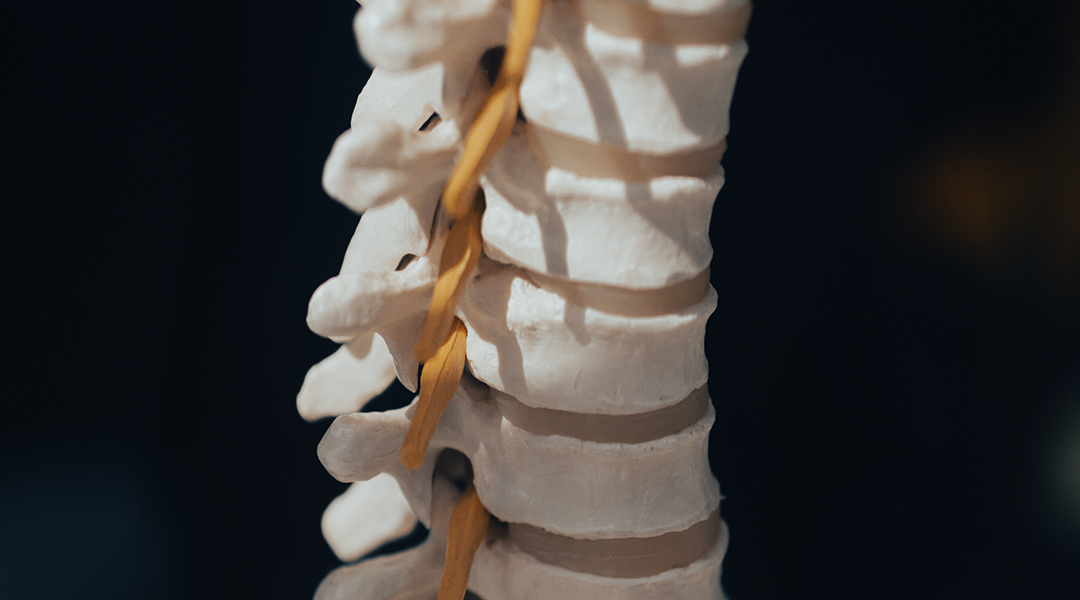
In patients with spinal cord injury, an implanted neurotransmitter restored their ability to walk, but underlying reasons were unexpected.
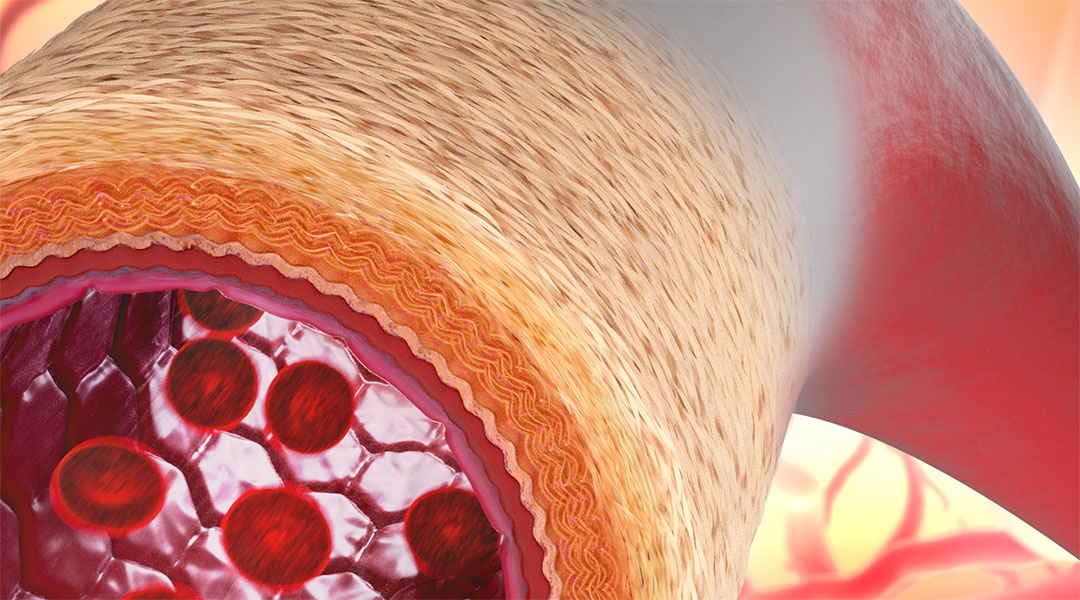
A new class of artificial blood vessel better mimics its natural counterparts and gets incorporated as a living vessel in the body after implantation.

Made of self-assembling nanoparticles and a microgel, this new material could overcome limitations in 3D bioprinting.
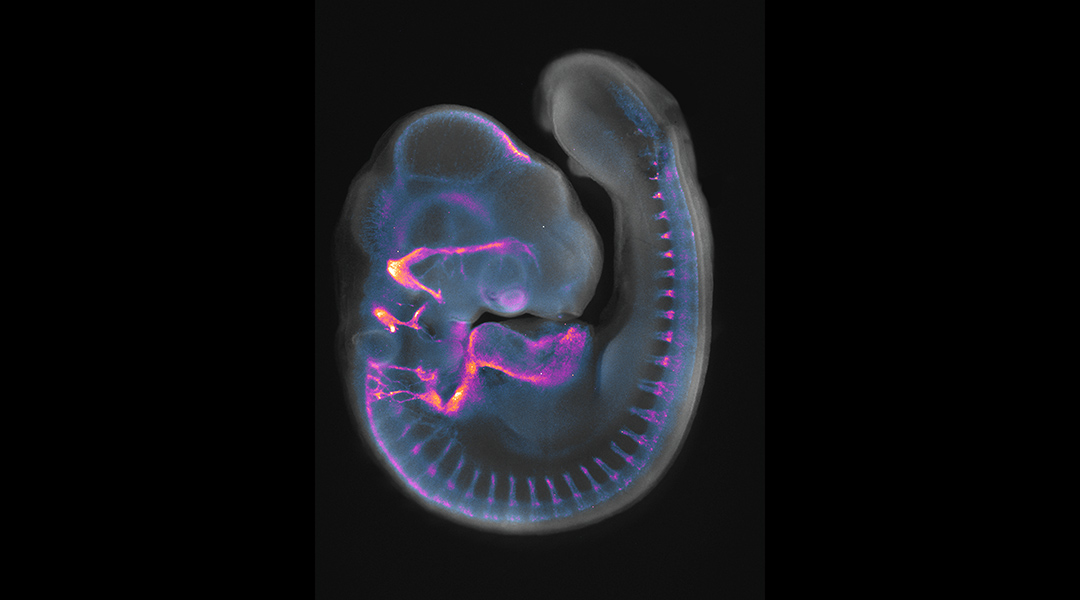
It turns out that a single factor is responsible for ear cell development, which could one day be used to treat disease and malformations.
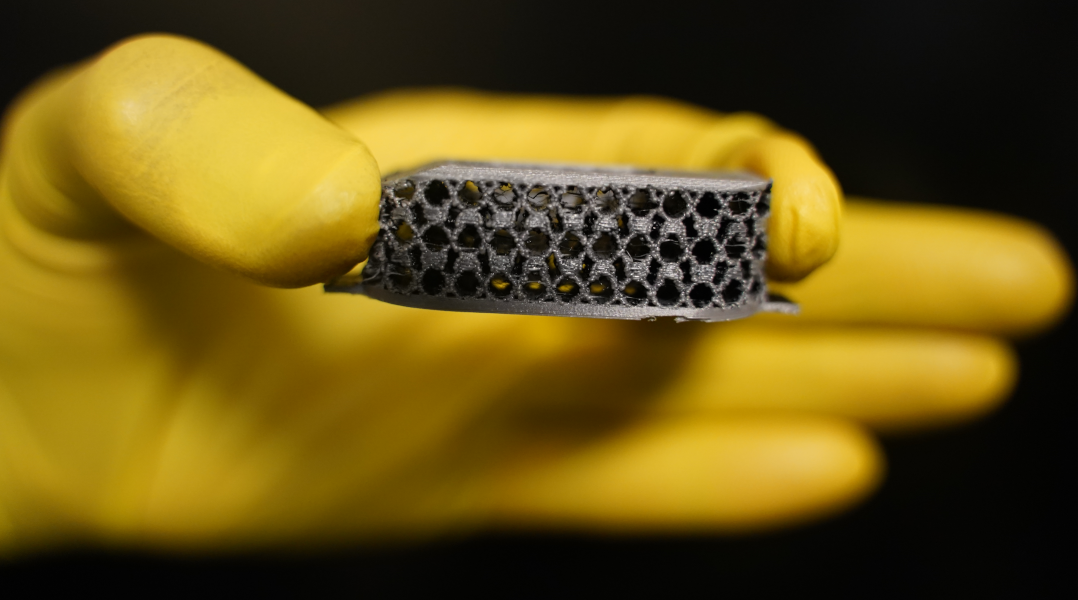
While radiographic imaging can evaluate bone healing post surgery, a smart, self-aware implant could eliminate unnecessary exposure to radiation.

 Micron-sized hidden dimensions could solve two of physics’ deepest puzzles
 Turning Periods into Power: Menstrual Blood a Valuable Resource for Medical Diagnostics
 Bone loss in obesity traced to gut microbiota
 Surfactants Steer Supraparticle Structure
 Edible electronics realize safe, complex monitoring devices
 Fermilab Confirms Muon g-2 Measurements