Taeghwan Hyeon on his research, the inspiration behind it, and his advice to young scientists.


Taeghwan Hyeon on his research, the inspiration behind it, and his advice to young scientists.
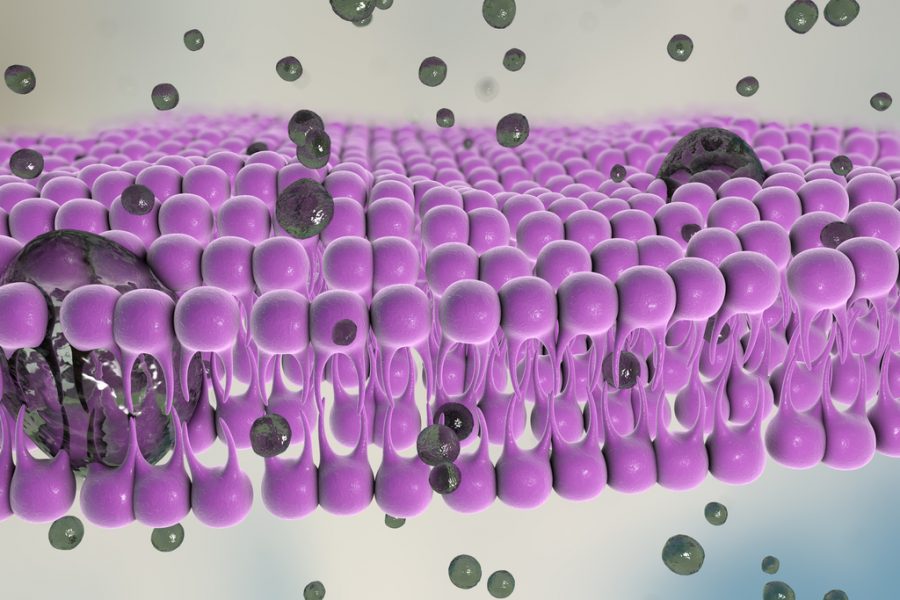
A research team from the National Chiao Tung University in Taiwan showed that aerosol‐assisted dielectric‐barrier‐discharge atmospheric‐pressure plasma deposition can be used for depositing different kinds of protein on different biosensor substrates in a single step.
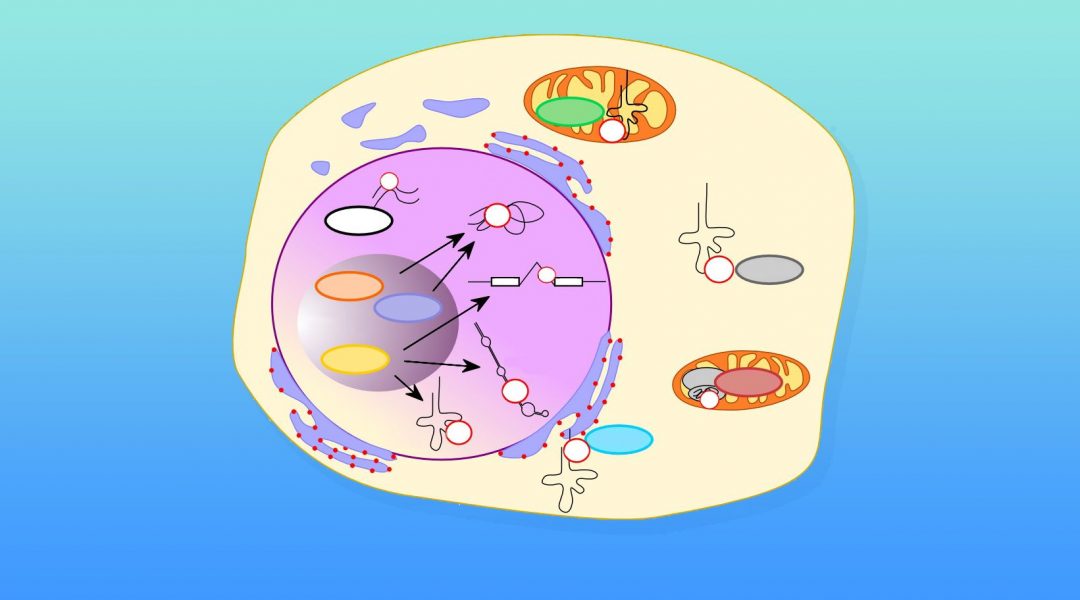
It is a well‐known fact that RNA is the target of a plethora of modifications which currently amount to over a hundred. The vast majority of these modifications was observed in the two most abundant classes of RNA, rRNA and tRNA. With the recent advance in mapping technologies, modifications have been discovered also in mRNA and in less abundant non‐coding RNA species.

The required features of nanofactories, and current strategies for their design and fabrication.
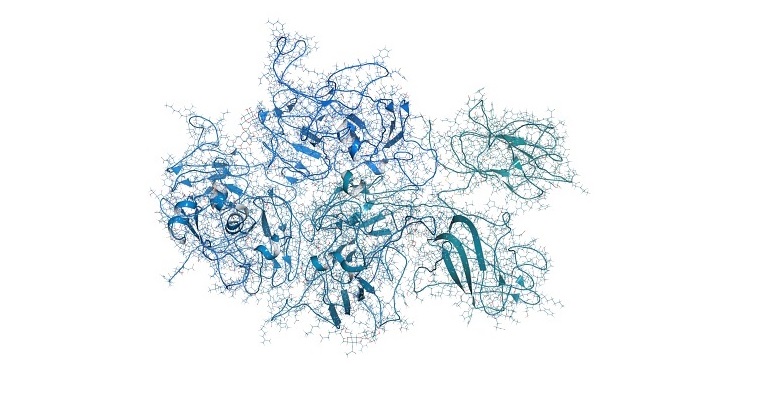
A team of German researchers conducted the first study on the direct exposure of cold atmospheric plasma on amino acids at dry conditions.
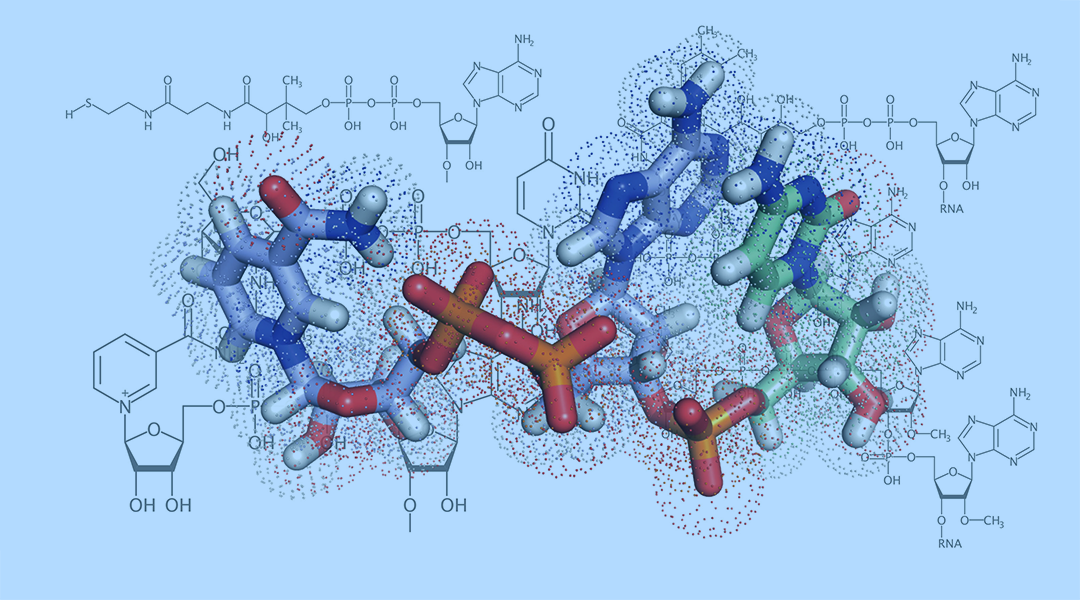
Although many eukaryotic transcripts contain cap structures, it has been long thought that bacterial RNAs do not carry any special modifications on their 5′‐ends. In bacteria, primary transcripts are produced by transcription initiated with a nucleoside triphosphate and are therefore triphosphorylated on 5′‐ends.
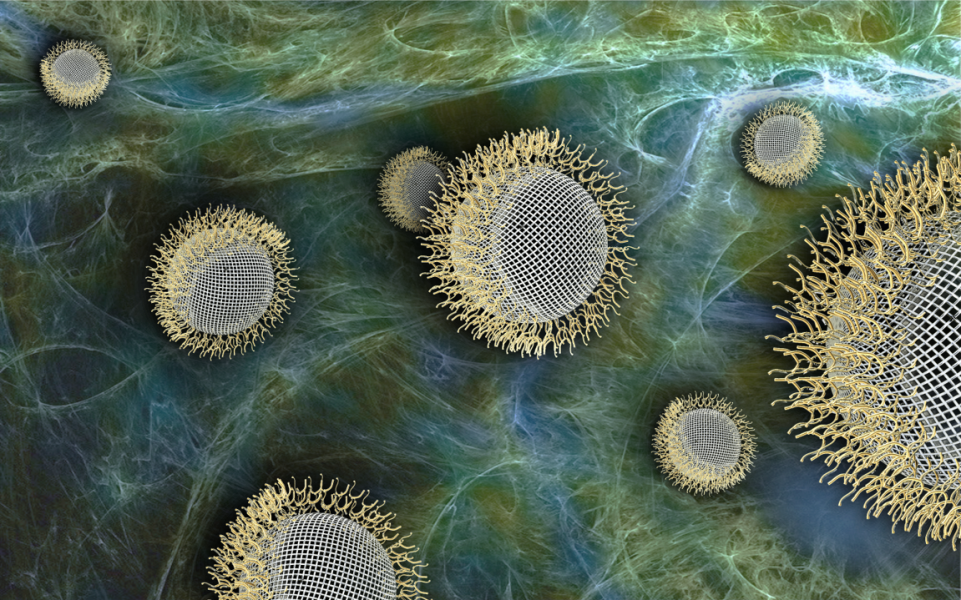
Scientists graft multifunctional biopolymers on the outer surface of nanometric metal-organic frameworks to improve its furtiveness.
The Hippo pathway’s role in heart development and regeneration.
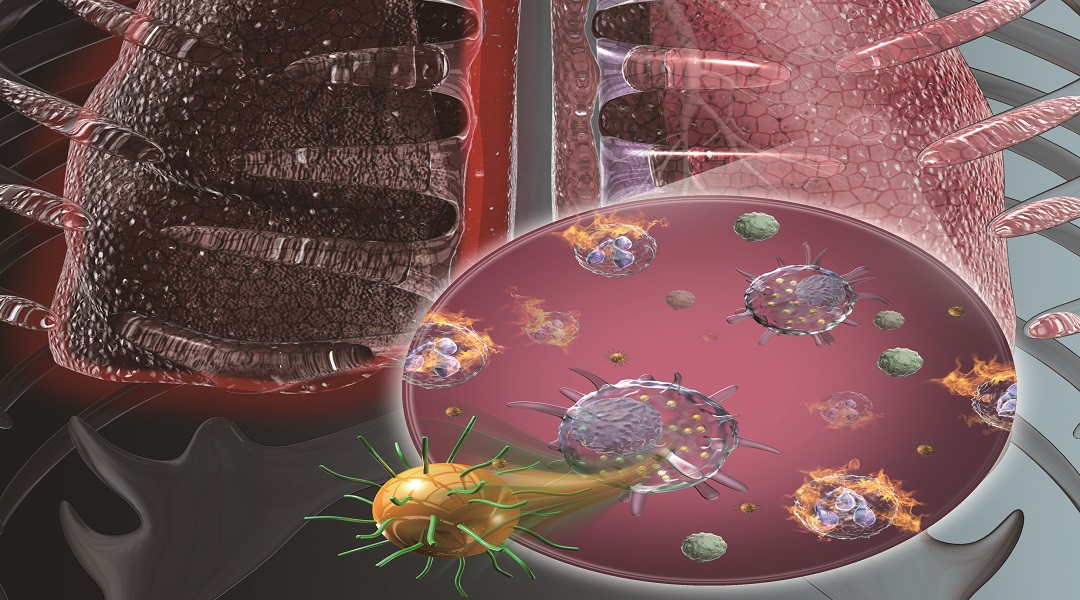
Check out the latest covers of Advanced Healthcare Materials!
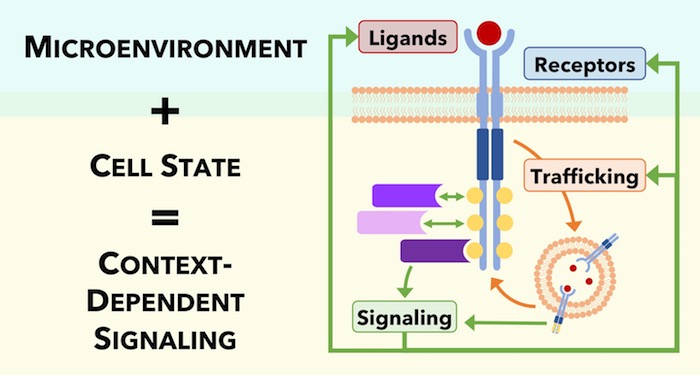
Receptor tyrosine kinases (RTKs) are cell membrane proteins that provide cells with the ability to sense proteins in their environments. Many RTKs are essential to development and organ growth. Derangement of RTKs—by mutation or by overexpression—is central to several developmental and adult disorders including cancer, short stature, and vascular pathologies.
 New theory suggests gravity is not a fundamental force
 Higgs boson may be driving the Universe’s expansion
 Water-powered gadgets may be on the horizon thanks to new evaporation-based energy device
 Scientists discover a new class of antibiotics
 Micron-sized hidden dimensions could solve two of physics’ deepest puzzles
 A new type of dark matter could explain mysterious radiation from the Milky Way’s core