Re-exploring poly(N,N‐dimethylaminophenylene methacrylamide) as a novel antimicrobial polymer.


Re-exploring poly(N,N‐dimethylaminophenylene methacrylamide) as a novel antimicrobial polymer.

Polymer physics is the basis to models that explain chromatin folding mechanisms.
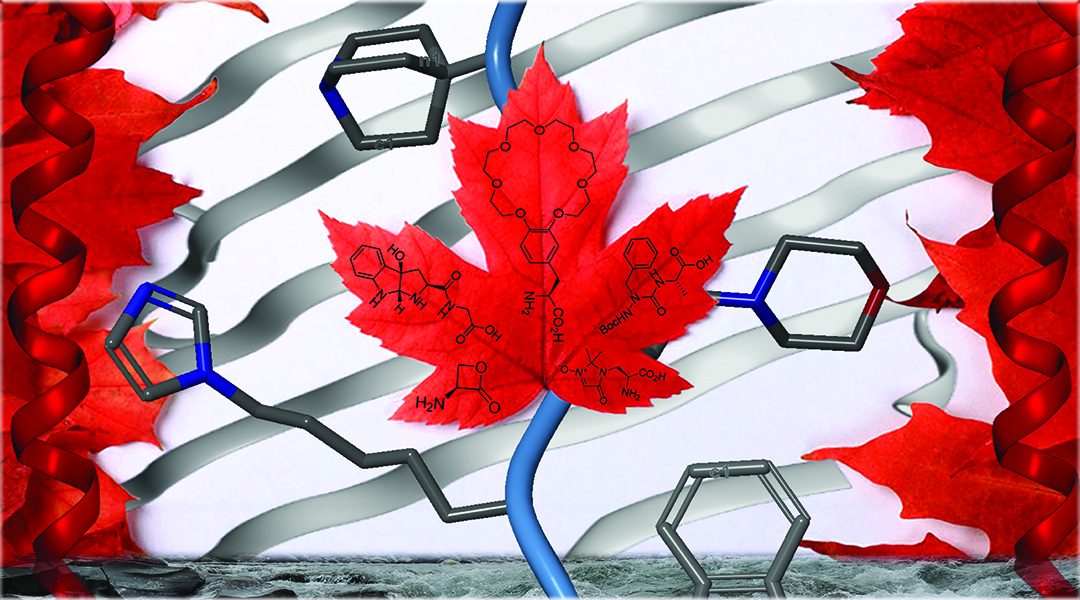
Peptide research in Canada is highighted in a special issue of Peptide Science, guest edited by William D. Lubell.
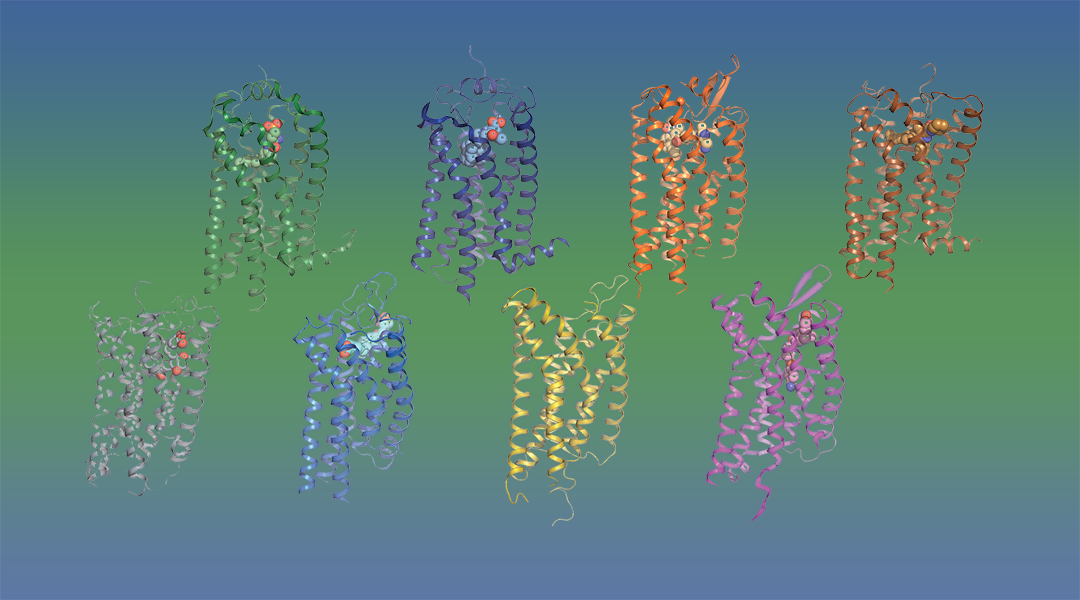
Outstanding structural and pharmacological features of eight unique lipid‐binding receptors, one of the most difficult G protein‐coupled receptor families to study, have been revealed.
![Mimicking Brain Connectivity with a Graphene–Carbon Nanotube Web [Video]](https://www.advancedsciencenews.com/wp-content/uploads/2019/01/adma201806132_ASN_image_001.jpg)
A cortex-like, 3D model of the brain can be used to screen drugs against diseases such as malignant glioma infiltration.
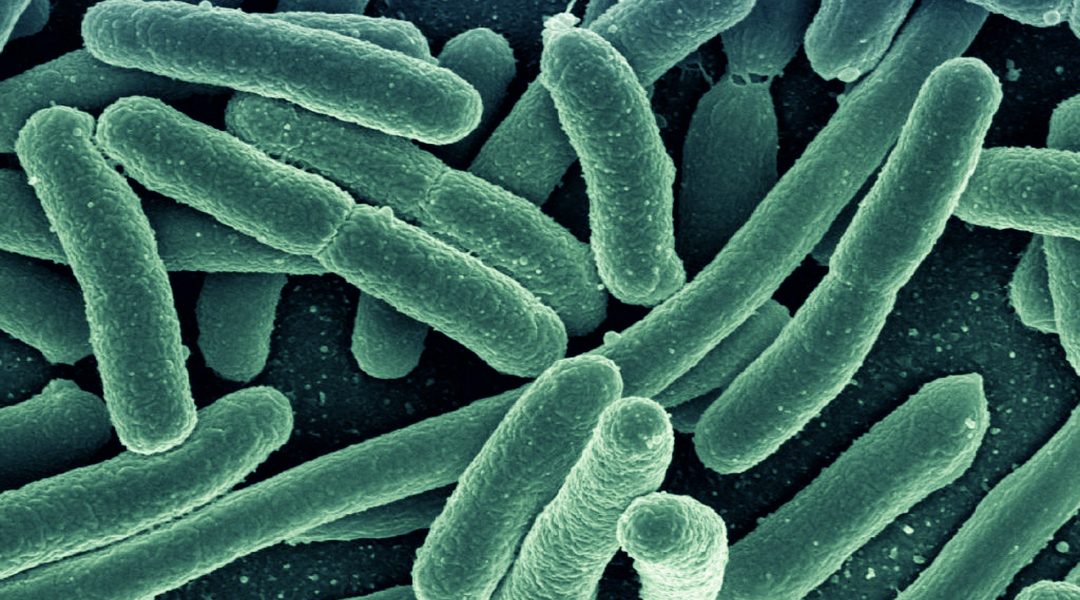
Guanidine-based nanogels for durable antibacterial and bacterially antiadhesive textiles.
![Linking Cancer Cells to Parent Cells [Video]](https://www.advancedsciencenews.com/wp-content/uploads/2019/01/smll201802358_ASN_image.jpg)
A single-molecule immunolabeling and co-immunoprecipitation method may lead to improved, personalized cancer treatment.

Scientists develop magnetized microalgae microswimmers using terbium.
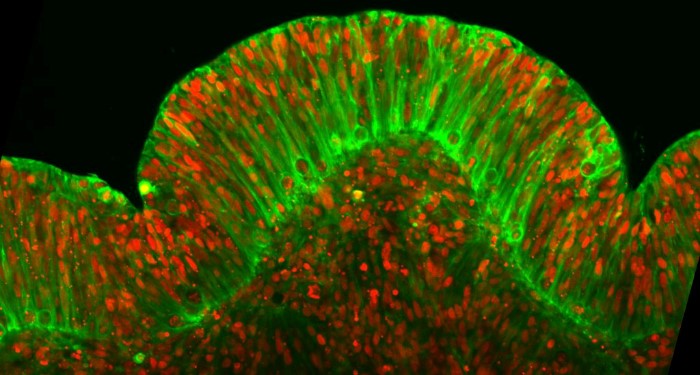
Low cost, on-chip, high-resolution imaging to study cellular dymamics of intact brain organoids.
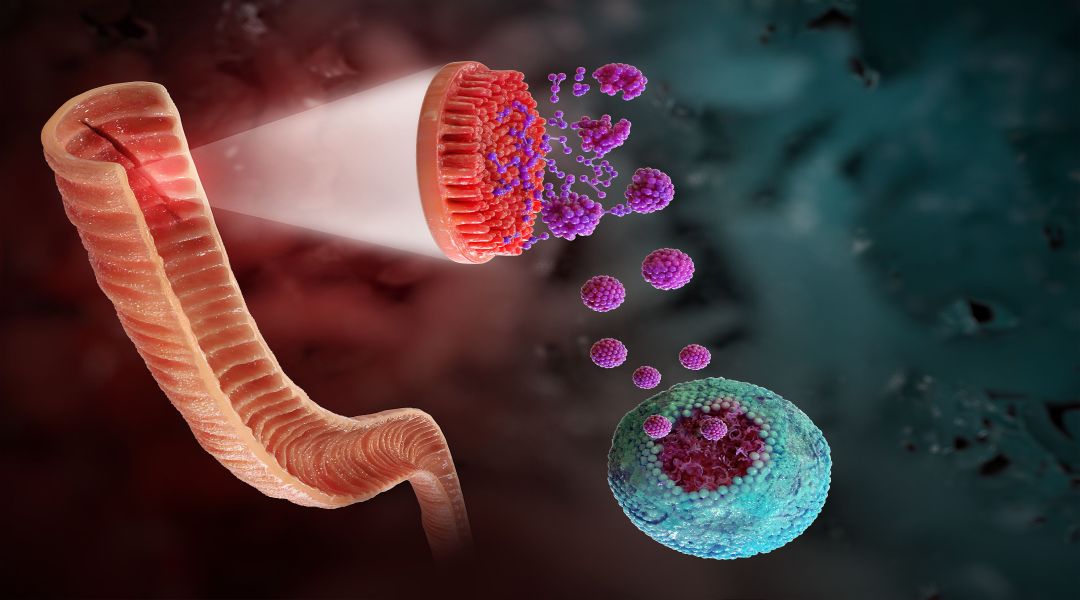
Orally administered nano-in-micro composites limit the undesirable side effects associated with other inflammatory bowel disease treatments.
 New theory suggests gravity is not a fundamental force
 Higgs boson may be driving the Universe’s expansion
 Water-powered gadgets may be on the horizon thanks to new evaporation-based energy device
 Scientists discover a new class of antibiotics
 Micron-sized hidden dimensions could solve two of physics’ deepest puzzles
 A new type of dark matter could explain mysterious radiation from the Milky Way’s core