A reducibly-degradable hyperbranched polymer PEI-SS-HP composed of LMW PEI via a disulfide-containing linkage is demonstrated as a promising gene vector.
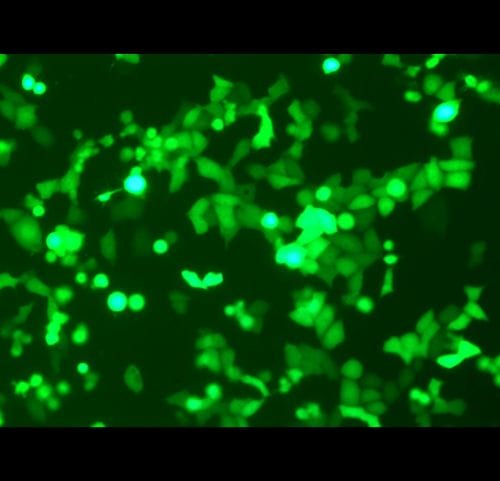

A reducibly-degradable hyperbranched polymer PEI-SS-HP composed of LMW PEI via a disulfide-containing linkage is demonstrated as a promising gene vector.
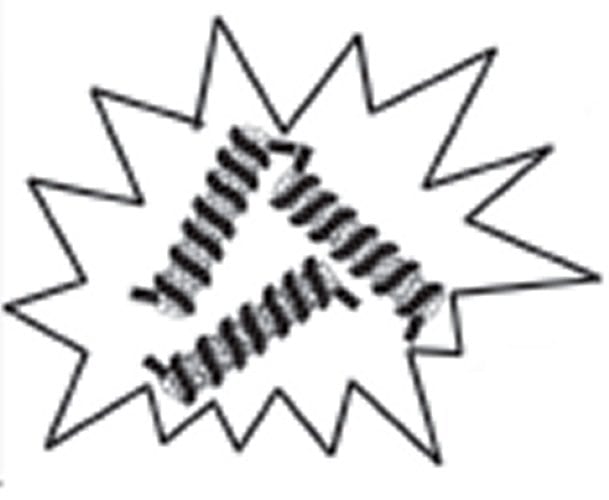
Nuclease activity can be detected by a simple, sensitive, and selective test based on light scattering of carbon nanotubes, with no need for a label.
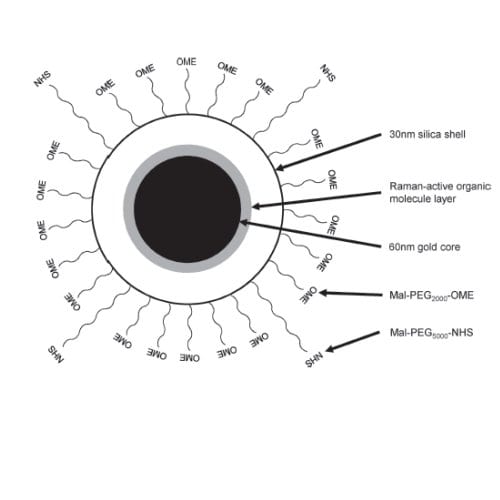
US scientists show the mechanism of toxicity of gold nanoparticles in living cells, and demonstrate that the nanoparticles are not toxic under diagnostic conditions.
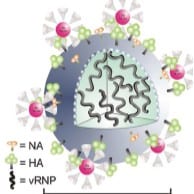
Functionalized gold nanoparticles are used to prevent flu viruses from attaching to and entering cells, in research by German scientists.
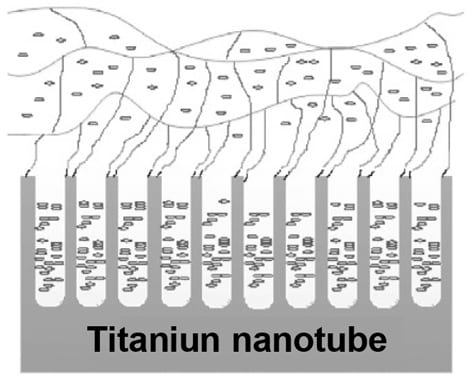
Chinese scientists developed a temperature-sensitive drug release system based on titanium nanotubes. A smart hydrogel layer acts as controlling barrier and releases drug for local drug therapy.
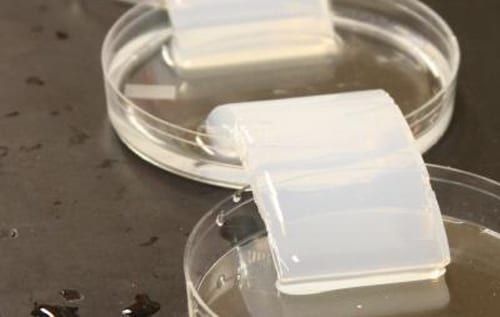
A new 3D artificial extracellular matrix provides a combination of chemical, electrical, and mechanical cues to influence stem cell differentiation.
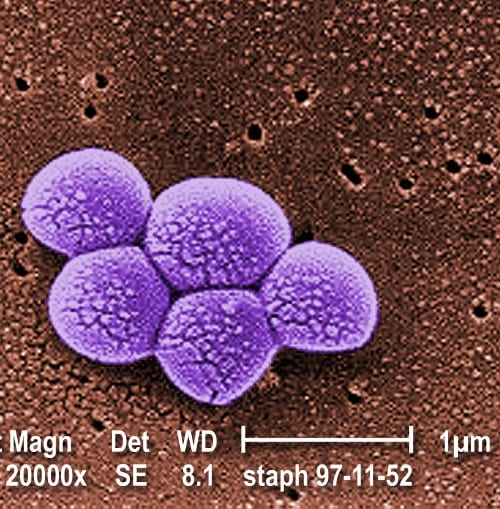
With secondary infections from drug-resistant bacteria a real concern in hospitals worldwide, MIT scientist report a breakthrough that might be able to effect both prevention and cure.
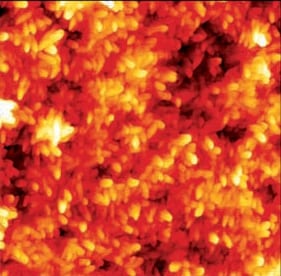
Scientists from the University of Linz engage in developing electronics that can simply be thrown onto the compost heap or, if in a pinch, could even be eaten!
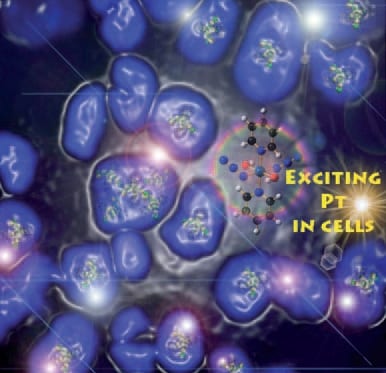
For tumor treatment with few side effects: platinum complex initiates cytotoxic effect upon targeted irradiation with visible light.
A recent review gives an up-to-the-minute round-up of how mesoporous silica nanoparticles are used to deliver drugs into cells.
 French WEST reactor breaks record in nuclear fusion
 New theory suggests gravity is not a fundamental force
 Quantum entanglement visualized for the first time ever
 An anti-inflammatory peptide may hold the key to low-back pain relief
 “Cosmic vine” discovered by the James Webb Space Telescope
 The Road to Better Presentation of Data: The Do’s and Don’ts
 Could a nuclear explosion set Earth’s atmosphere on fire?
 The dramatic story behind general relativity’s Nobel Prize snub
 Calculating the true environmental costs of AI
 Ibuprofen’s effect on red blood cells: A prickly affair