Ion-sensitive field-effect transistors meet scalable CMOS technology to yield low-cost, high throughput DNA sequencing modules.


Ion-sensitive field-effect transistors meet scalable CMOS technology to yield low-cost, high throughput DNA sequencing modules.
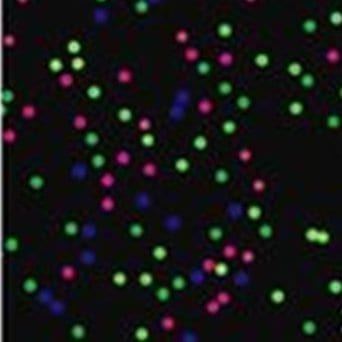
Microbarcodes embedded with rare earth nanocrystals show promise for disease detection and biomedicine.
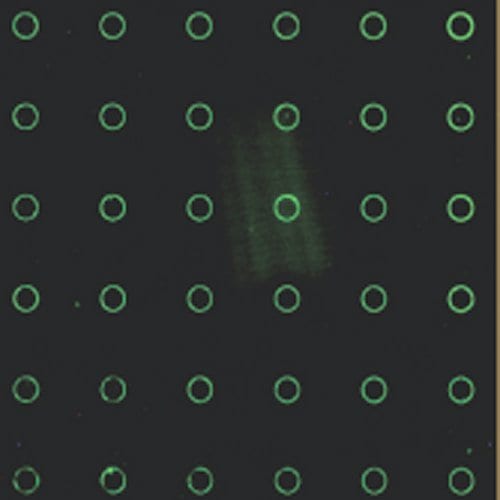
Ring-shaped arrays of DNA by using a simple self-assembly process driven by a balance of different forces, by scientists in the USA and S. Korea.
Carbon nanotubes have the potential to unlock effective treatments for that most delicate of systems – the mammalian central nervous system. But conflicting studies and reports on potential toxicity underline the need for careful, standardized, and thorough research protocols.

New publication brings together theory and experimental results in molecular electronics – can we go beyond Moore’s law? Emanuele Orgiu & Paolo Samorì of ISIS tell us more
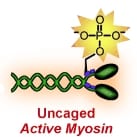
Light-triggered myosin allows real-time study of cells
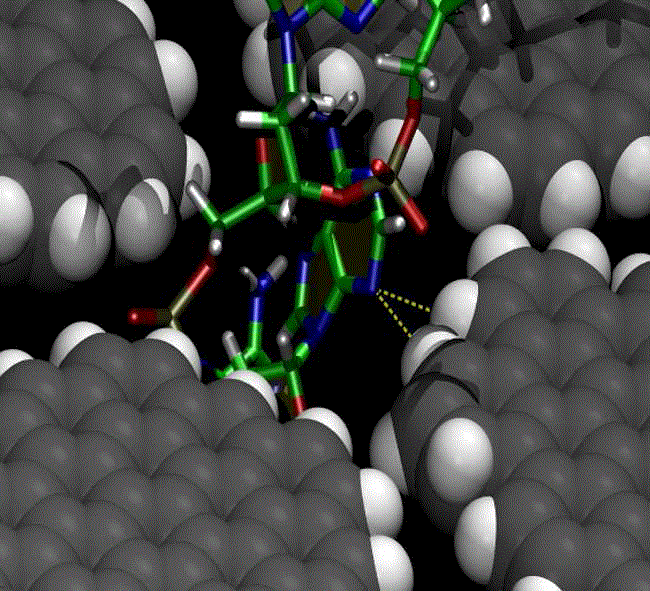
Edge-hydrogenation of carbon electrodes could further the quest for solid-state, single-molecule DNA sequencing.
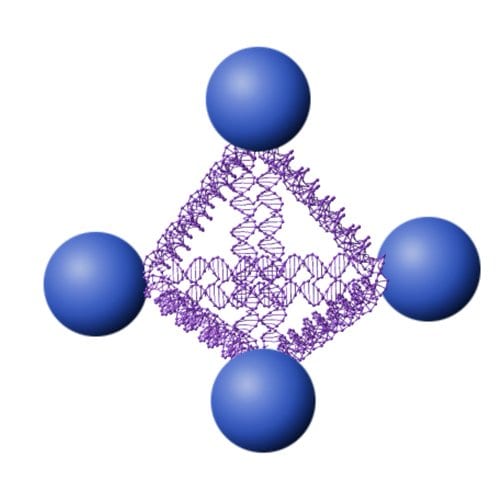
Tetrahedral constructs of DNA are a new way to support proteins on functional nanostructures, according to work by U.S. scientists.
Highly rated polymer science journal Macromolecular Rapid Communications chosen for indexing in MEDLINE.
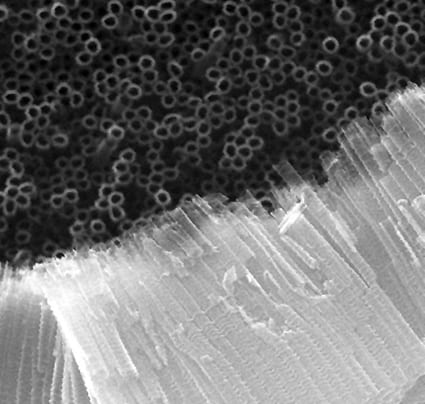
A new approach to the development of functional and biocompatible coatings for titanium metal implants aims to reduce their failure rates by altering the nano-morphology of the surface.
 French WEST reactor breaks record in nuclear fusion
 New theory suggests gravity is not a fundamental force
 Quantum entanglement visualized for the first time ever
 An anti-inflammatory peptide may hold the key to low-back pain relief
 “Cosmic vine” discovered by the James Webb Space Telescope
 The Road to Better Presentation of Data: The Do’s and Don’ts
 Could a nuclear explosion set Earth’s atmosphere on fire?
 The dramatic story behind general relativity’s Nobel Prize snub
 Calculating the true environmental costs of AI
 Ibuprofen’s effect on red blood cells: A prickly affair