An advanced 4D bioprinting approach uses shape-morphing, biopolymer hydrogels to form the basis for blood vessels and other tubular structures in artificial tissues and organs.
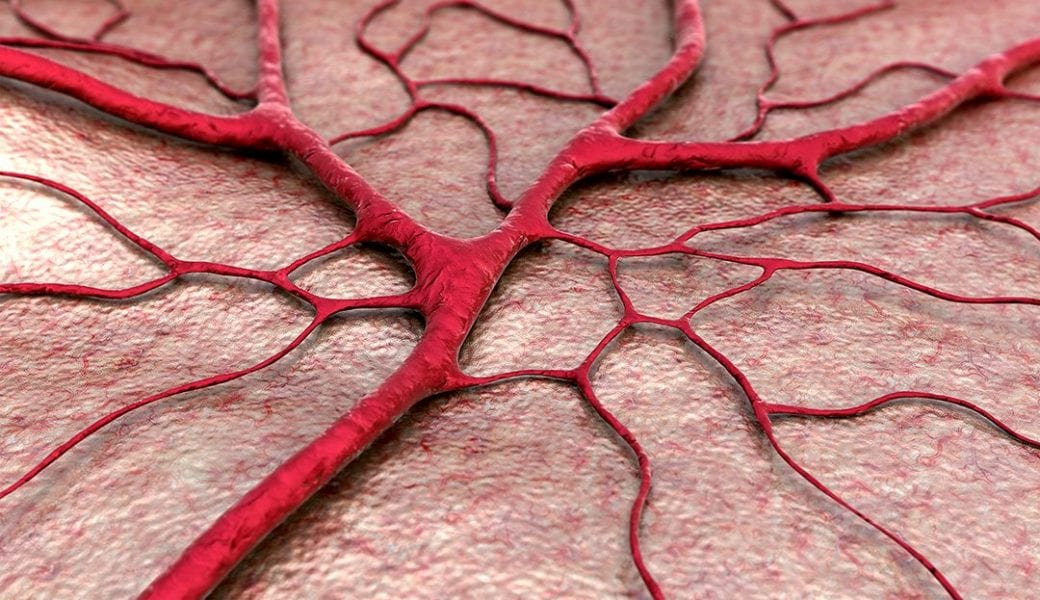

An advanced 4D bioprinting approach uses shape-morphing, biopolymer hydrogels to form the basis for blood vessels and other tubular structures in artificial tissues and organs.
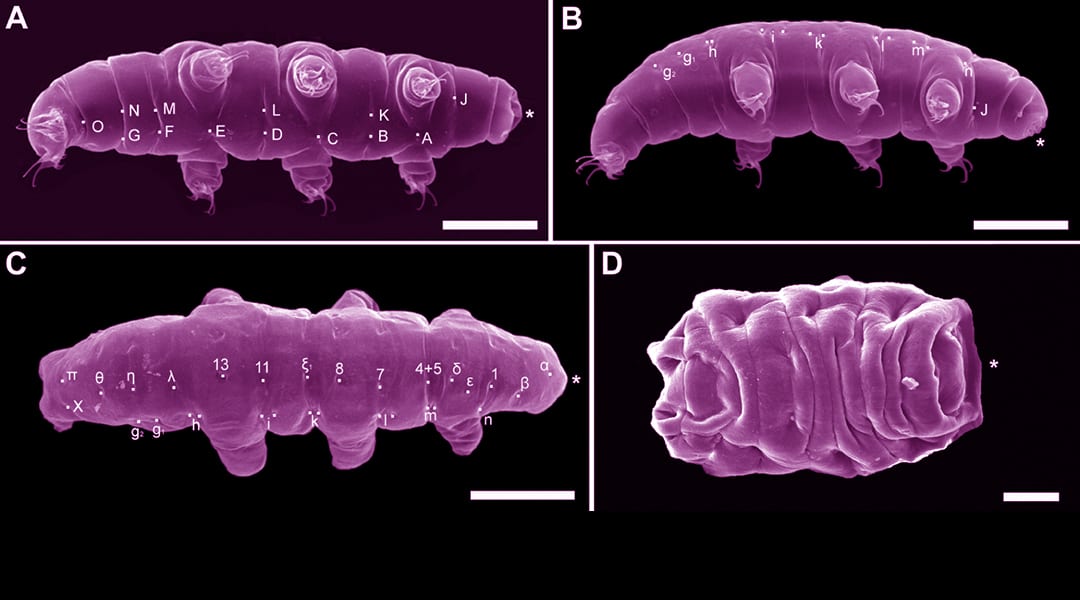
Together with many eukaryotes in which relatively large percentages of lateral gene transfer had been claimed, Tardigrades are now downgraded to normality, and here’s why…
Cyclic-di-GMP regulation of bacterial virulence is specific to each pathogen, strain, and type of infection. Differences in the composition and structure of extracellular matrix components could underlie the variation in immune response in the mammalian host.
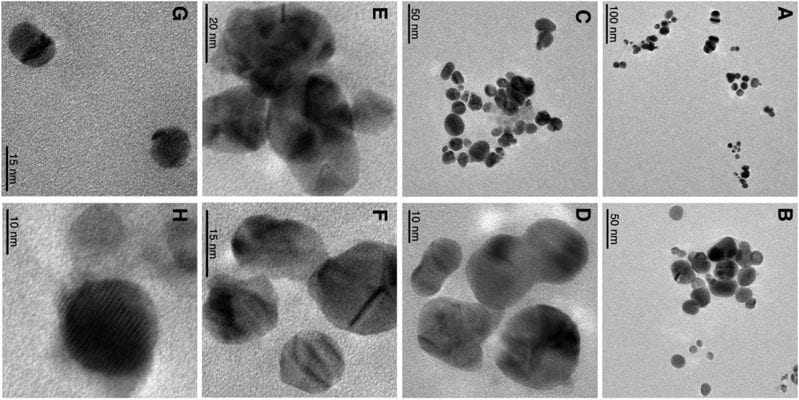
Researchers created a one-step flow-through plasma-reaction system for a cheaper and more sustainable synthesis of silver nanoparticles aimed at large scale production.
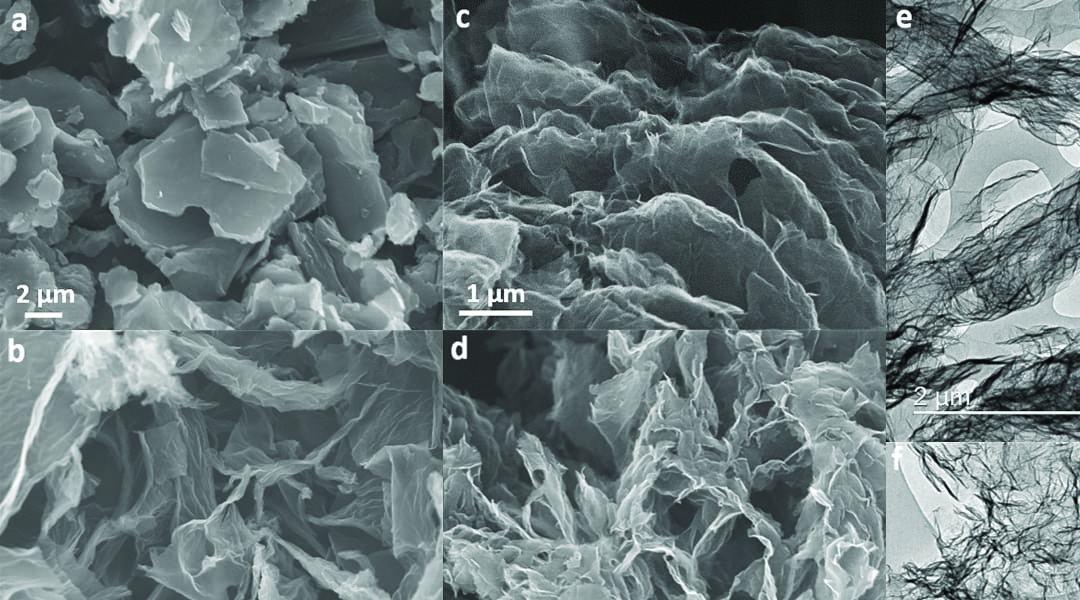
An effective synthesis strategy via a flash-freezing and freeze-dry approach is presented, to synthesis 3D GO structures that exhibit fully accessible hierarchical porous networks for supercapacitor applications.
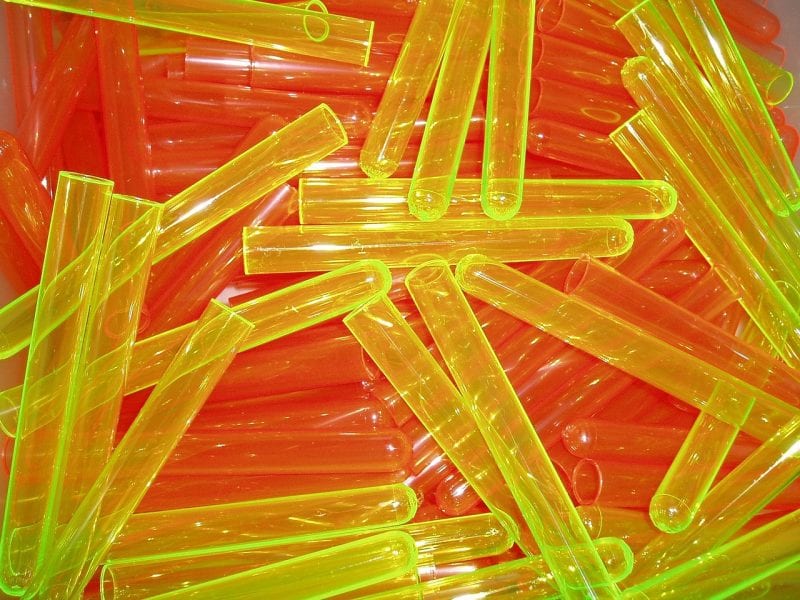
Ammps, a new cost-effective, sensitive and non-invasive clinical assay, for the detection and monitoring of bladder cancer.
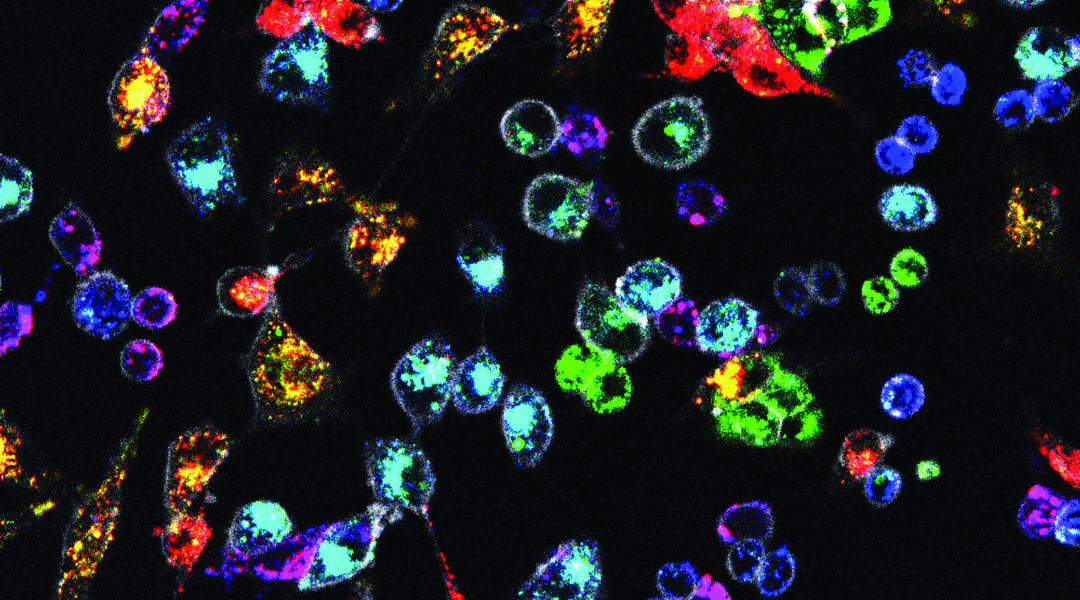
A method that allows the long-term labeling of different cell populations in tens of different colors using fluorescent nanoparticles.
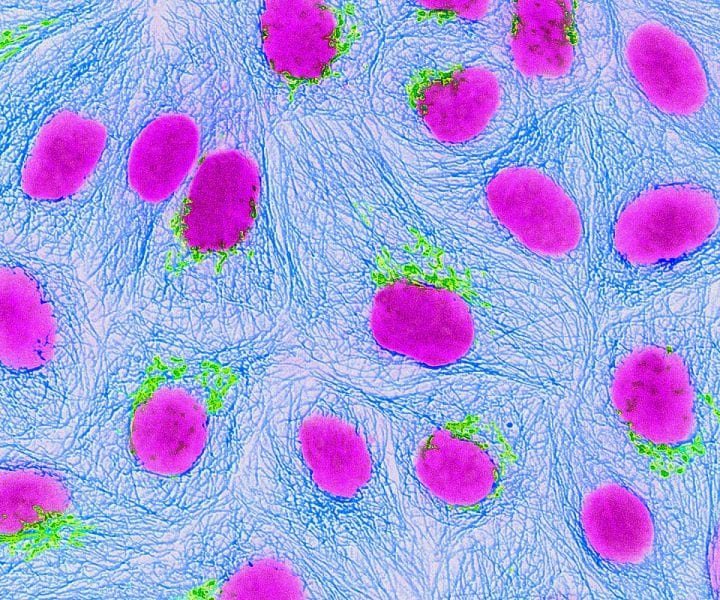
Magnetogenetics is a promising approach manipulating cellular functions in tissues and organisms with high spatial and temporal resolution.
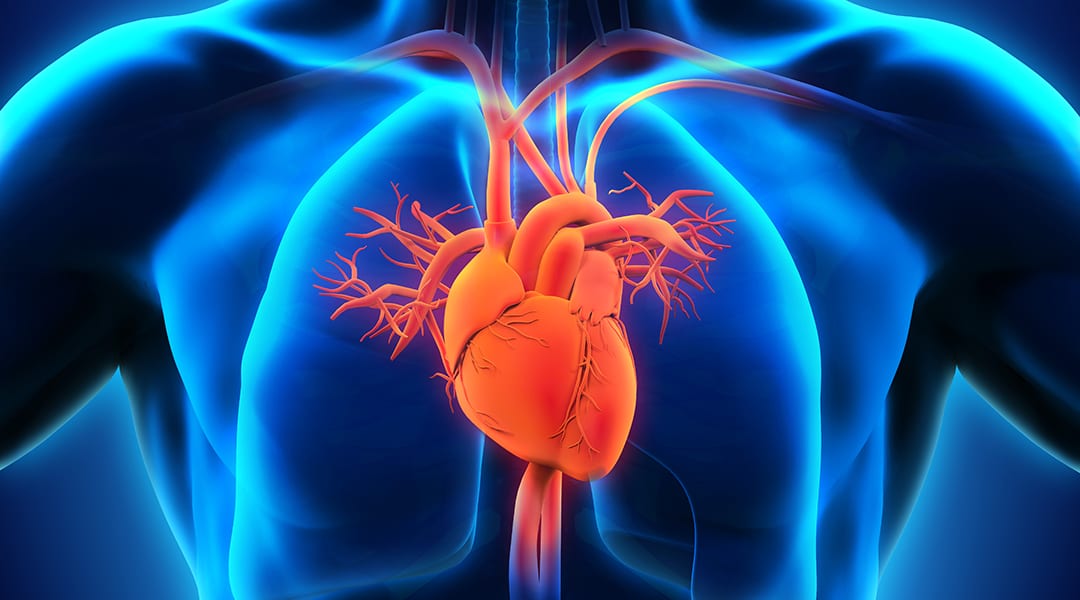
A flexible self-powered ultrasensitive pulse sensor (SUPS) based on a triboelectric nanogenerator (TENG) is presented.
A summary and results of a five-year research project on cultural adaptation to hurricane disasters in New Orleans from the city’s foundation in the French Colonial period 1718 to Hurricane Katrina in 2005 is presented.

 Micron-sized hidden dimensions could solve two of physics’ deepest puzzles
 Turning Periods into Power: Menstrual Blood a Valuable Resource for Medical Diagnostics
 Surfactants Steer Supraparticle Structure
 Bone loss in obesity traced to gut microbiota
 Edible electronics realize safe, complex monitoring devices
 Fermilab Confirms Muon g-2 Measurements