Replicating the hollow structure of polar bear hairs allows an insulating material to provide thermal management with stealth applications.


Replicating the hollow structure of polar bear hairs allows an insulating material to provide thermal management with stealth applications.

A team of North American researchers demonstrated a label-free and more direct way to observe and quantify microvascular and metabolic healing mechanisms, and the biological response to a topical treatment, utilizing a multimodal microscope equipped with OCT and FLIM.

Smart windows switch between transparent and opaque states based on environmental cues. Researchers reveal a prototype that exploits plasmons, converting incident sunlight into local thermal energy to trigger the switch.

Sometimes the answer to a problem is exactly where you would expect it to be.

Lithium-metal batteries can hold up to 10 times more charge than batteries that currently power our phones, laptops, and cars; but, they have one fatal flaw…

Adding a layer of biodegradable paper over a photocatalyst is found to increase the activity of the catalyst significantly.
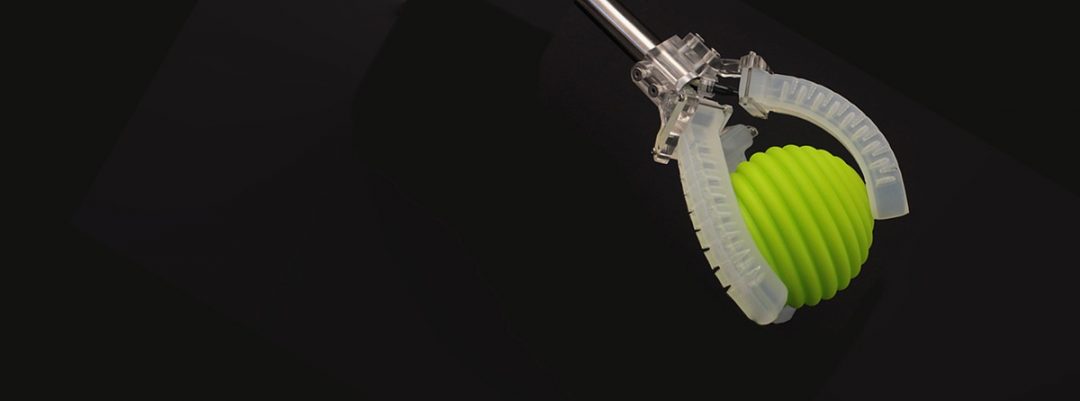
Researchers create soft robots that can sense touch, pressure, movement and temperature.
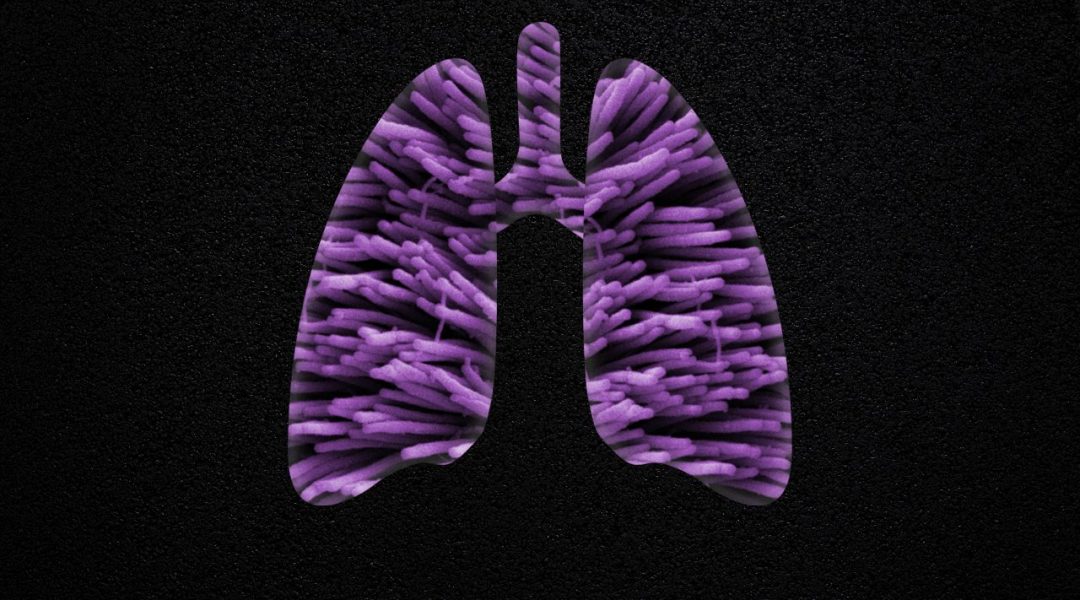
Cilia-inspired smart surfaces that sweep micro/nanometer-scale substances in a desired direction could inspire future drug-delivery systems and medical technologies.
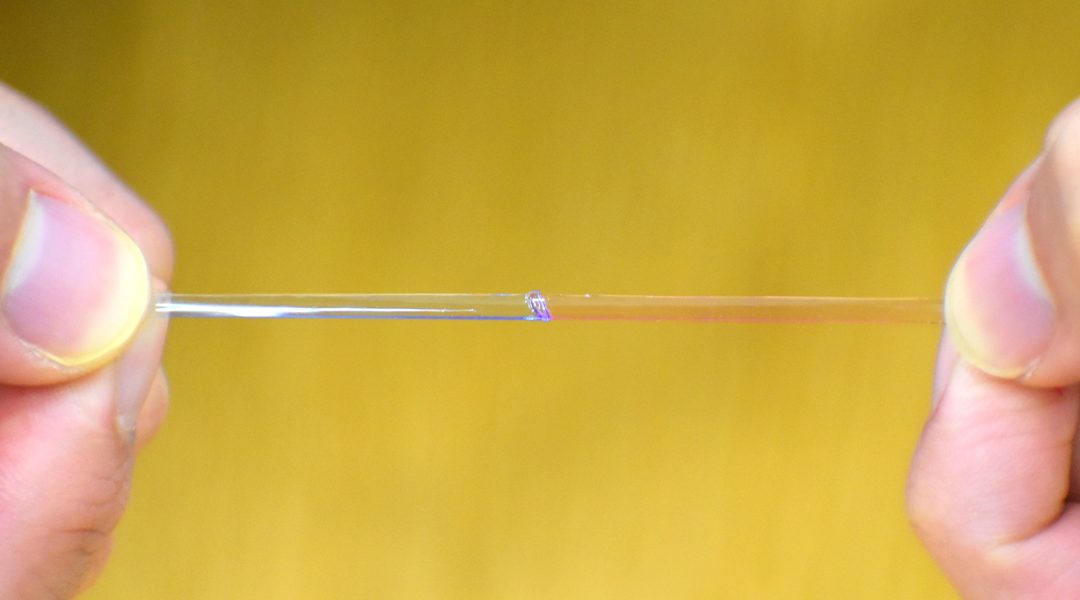
Robust electronic skin by utilizing supramolecular chemistry to produce a tough, self-healing elastic material.
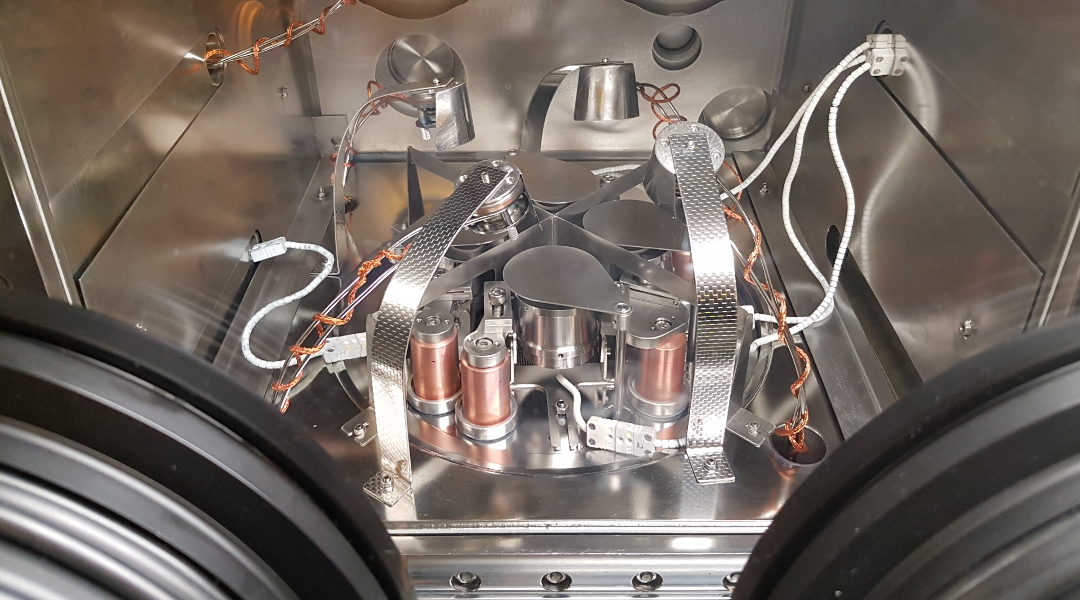
An alternative to multi-stage solution-processing techniques for fabricating mixed-cation/mixed-halide perovskites is introduced.

 Micron-sized hidden dimensions could solve two of physics’ deepest puzzles
 Turning Periods into Power: Menstrual Blood a Valuable Resource for Medical Diagnostics
 Surfactants Steer Supraparticle Structure
 Bone loss in obesity traced to gut microbiota
 Edible electronics realize safe, complex monitoring devices
 Fermilab Confirms Muon g-2 Measurements