Complex, aqueous-stable, hydrogel ionic circuits towards transparent, flexible, biocompatible bioelectronic devices.
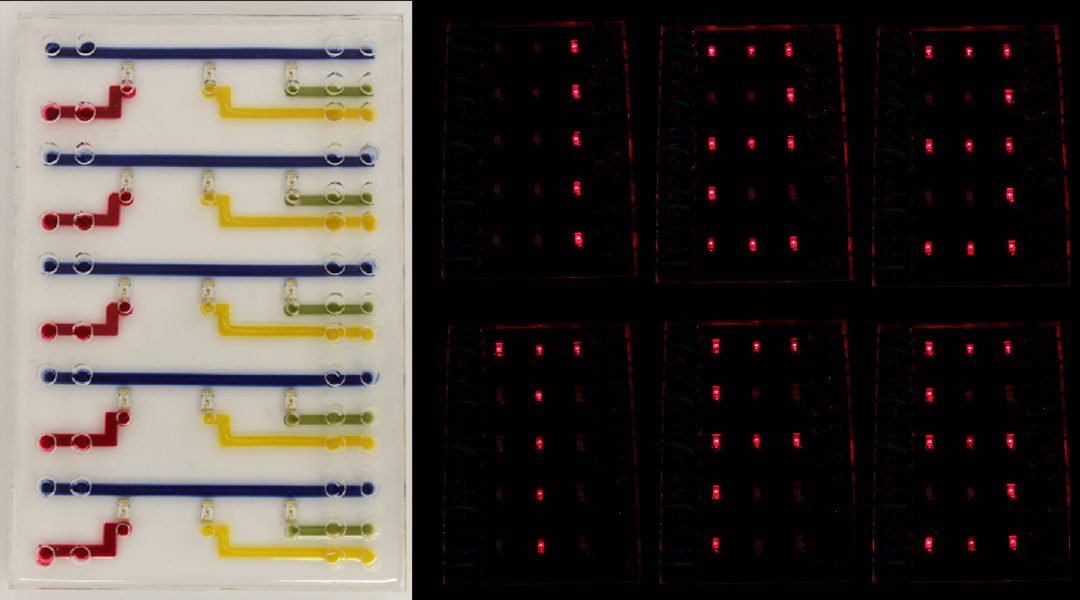

Complex, aqueous-stable, hydrogel ionic circuits towards transparent, flexible, biocompatible bioelectronic devices.
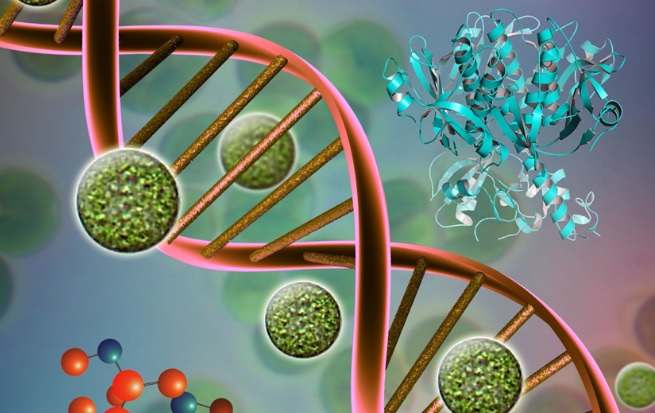
Protein immobilization directly from cell lysates is demonstrated in a new process that avoids expensive purification steps but expertly maintains target protein selectivity.
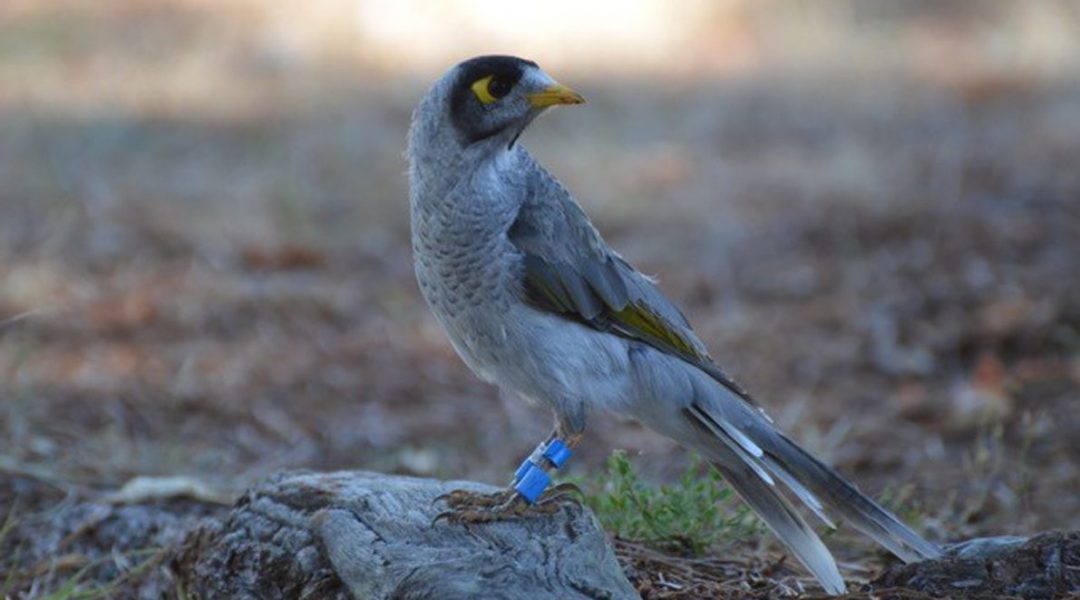
Conservationists remove a pest bird species from Australian forests—only to find that it keeps coming back.
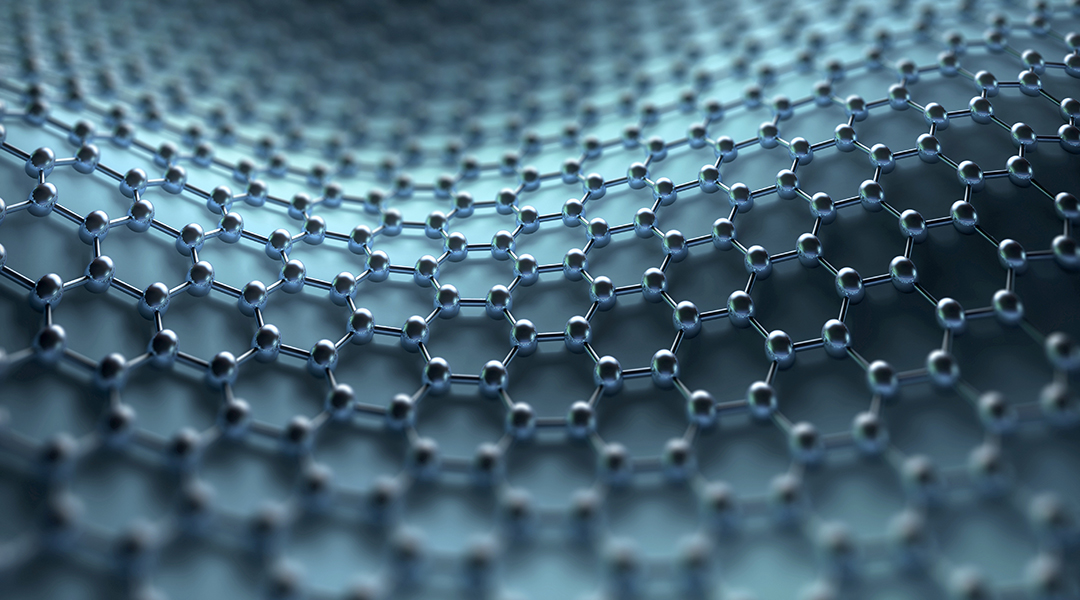
A new method to improve the mechanical durability of graphene films based on the introduction of chemically-attachable nanometer-thick organic patches onto a graphene surface is reported.
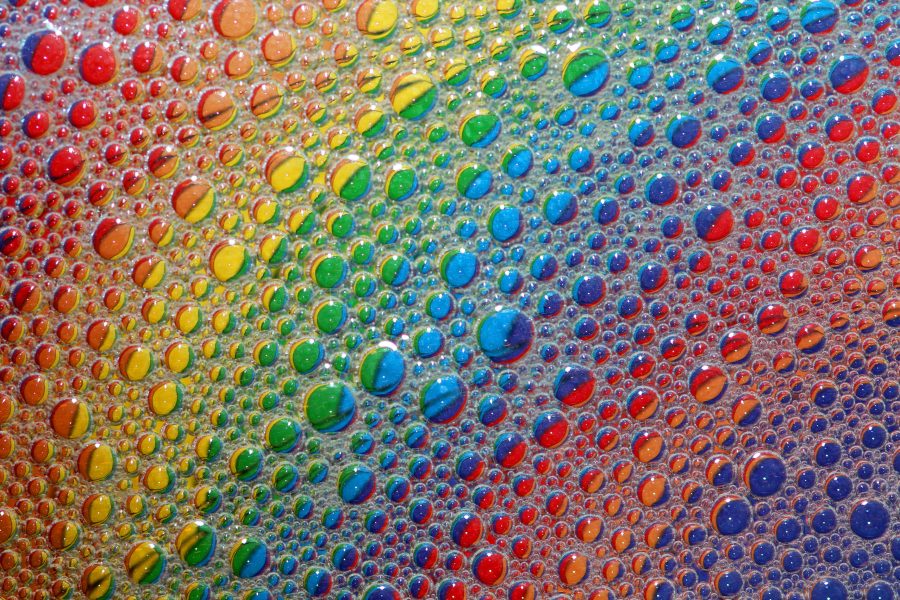
The viability of colored contact lenses as an aid for color blindness is investigated.
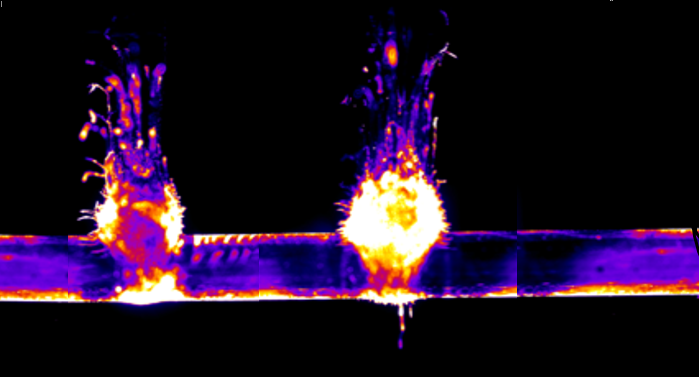
Cone-shaped gold nanoparticles are activated by ultrasonic waves, with applications in cost-effective targeted drug delivery.
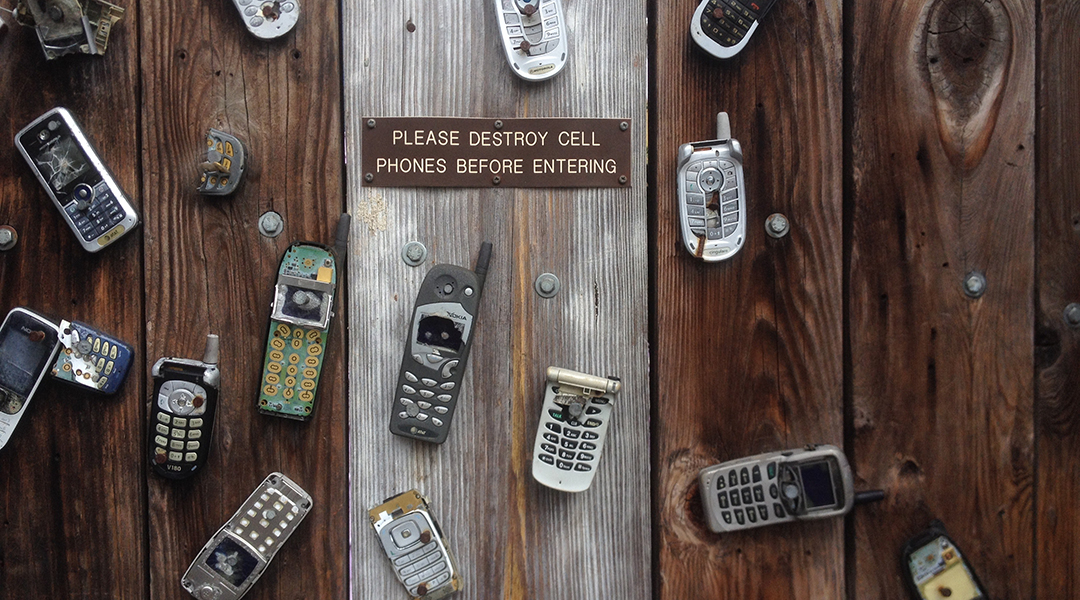
A team from the USA have developed a technique for making gold nanoparticles from old SIM cards .

Camouflage, illusion or cloaking devices, once deeply rooted in science-fiction, can make an object appear “invisible”. A novel technique for thermal illusion meta-devices is reported.

An international team have used waste cooking oil from a university cafe to make a cheap, effective material for absorbing oil from seawater.
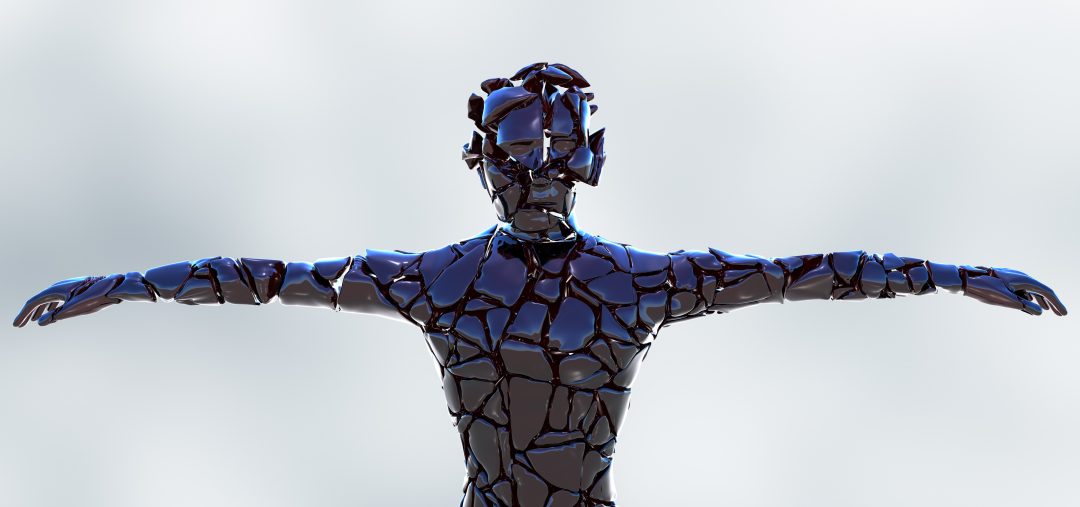
The design of a new bionic skin that is sensitive to incredibly small changes in pressure and vibration is reported.

 Micron-sized hidden dimensions could solve two of physics’ deepest puzzles
 Turning Periods into Power: Menstrual Blood a Valuable Resource for Medical Diagnostics
 Surfactants Steer Supraparticle Structure
 Bone loss in obesity traced to gut microbiota
 Edible electronics realize safe, complex monitoring devices
 Fermilab Confirms Muon g-2 Measurements