Polymers, specifically the biopolymer hyaluronic acid, could provide a better alternative to surgical sutures and staples for wound closure and healing.


Polymers, specifically the biopolymer hyaluronic acid, could provide a better alternative to surgical sutures and staples for wound closure and healing.
We all see the smoke; can we afford to ignore the fire? The climate doomsday clock is ticking!
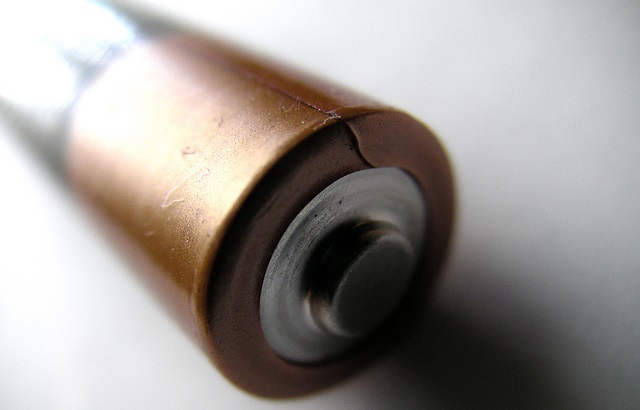
Paul Shearing of UCL explains thermal runaway observed in lithium-based battery systems, and comments on its mitigation and the future of battery safety.
Metavalent bonding shows physically observable features that are “between those of covalency and metallicity, but distinctly different from both”.

Making origami with light.

Advanced polymers can address the need for improved insulation materials and potentially lower carbon dioxide emissions.
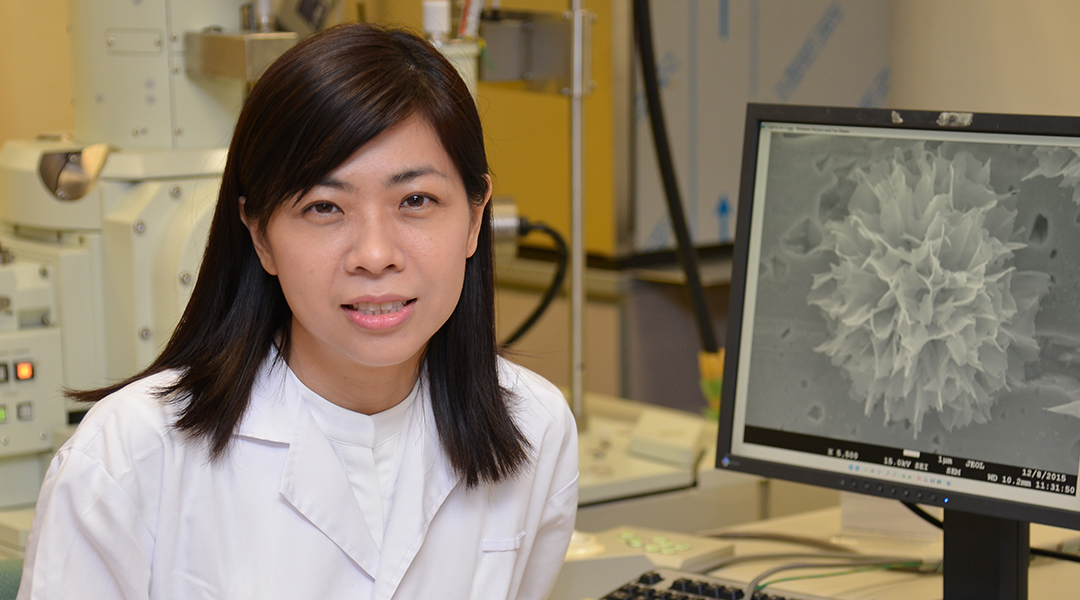
Dr. Ghim Wei Ho is a scientist who studies sustainable energy, discusses how she choose her research path, the future of the soft matter field, her hobbies, and who she admires the most.
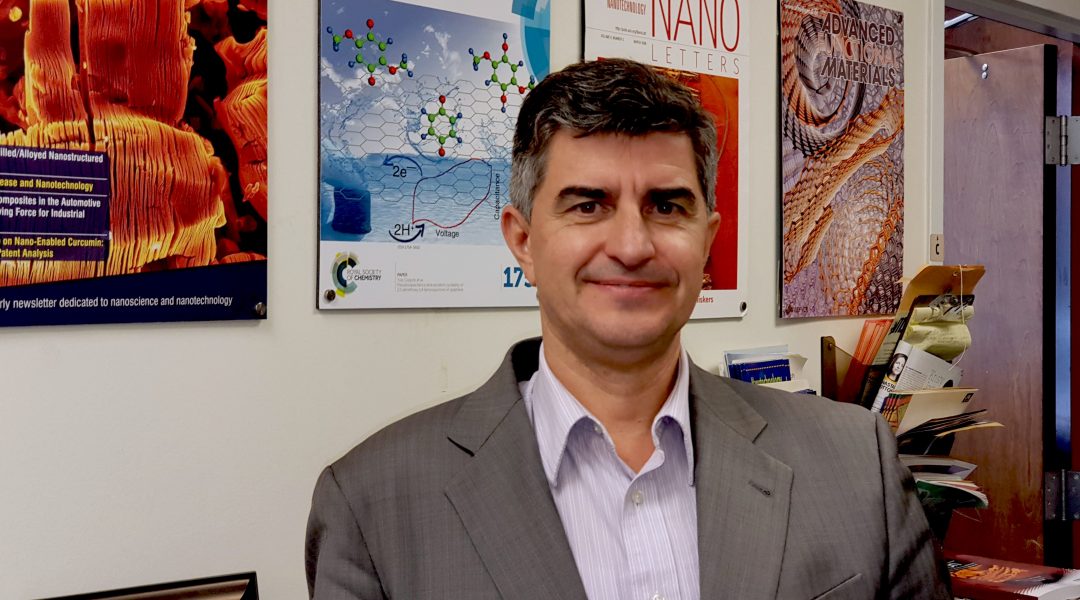
Yury Gogotsi was a chemist from the very beginning. He feels the excitement of scientific discovery, and cannot imagine doing anything else.

Mind the gap: Carbon dioxide corrosion problems in a world of carbon dioxide conversion research. Understanding the surface chemistry and electrochemistry and how they affect the overarching systems.

A link in a long chain of achievements: polymer expert Krysztof Matyjaszewski.

 Micron-sized hidden dimensions could solve two of physics’ deepest puzzles
 Turning Periods into Power: Menstrual Blood a Valuable Resource for Medical Diagnostics
 Surfactants Steer Supraparticle Structure
 Bone loss in obesity traced to gut microbiota
 Edible electronics realize safe, complex monitoring devices
 Fermilab Confirms Muon g-2 Measurements