Recent research on cellulose–sulfur composites made from industrial wastes has successfully achieved all three Rs: reduce, reuse, recycle.


Recent research on cellulose–sulfur composites made from industrial wastes has successfully achieved all three Rs: reduce, reuse, recycle.
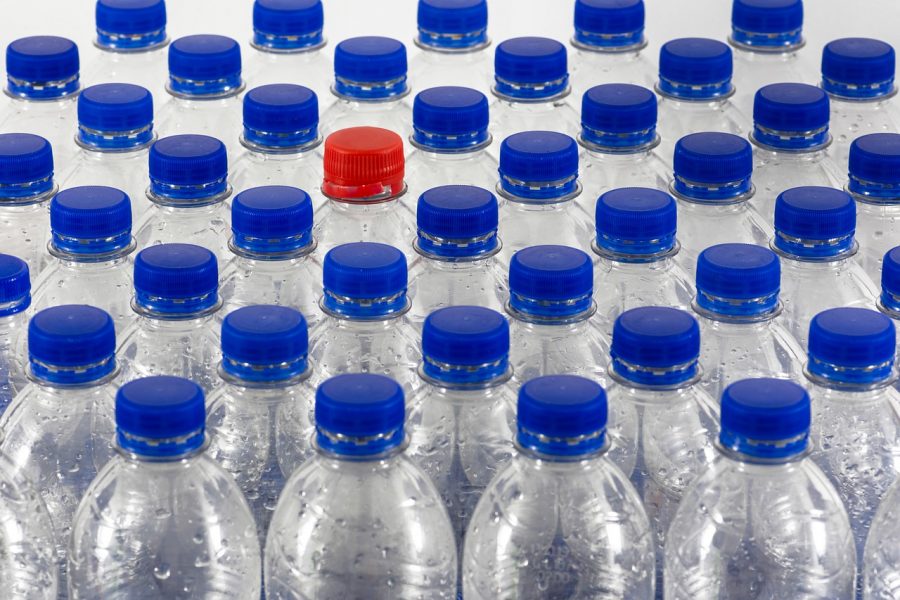
Despite the many benefits of plastics, the global plastic system is increasingly being recognized as the source of severe environmental problems.

Jun Lu and Khalil Amine evaluate the current and upcoming lithium battery technologies for electronic vehicles, including component recyclability.

A green, renewable, and environmentally friendly strategy to remove toxic dye from wastewater.

The potential of spider venom for environmentally friendly insecticides

Cascades are not just small falls of water, but can also be a succession of failures and damages occurring after natural hazard events.

Analyzing the impact of gas composition on the bactericidal efficiency, plasma parameters, and species formation in a cold atmospheric plasma jet in contact with water.
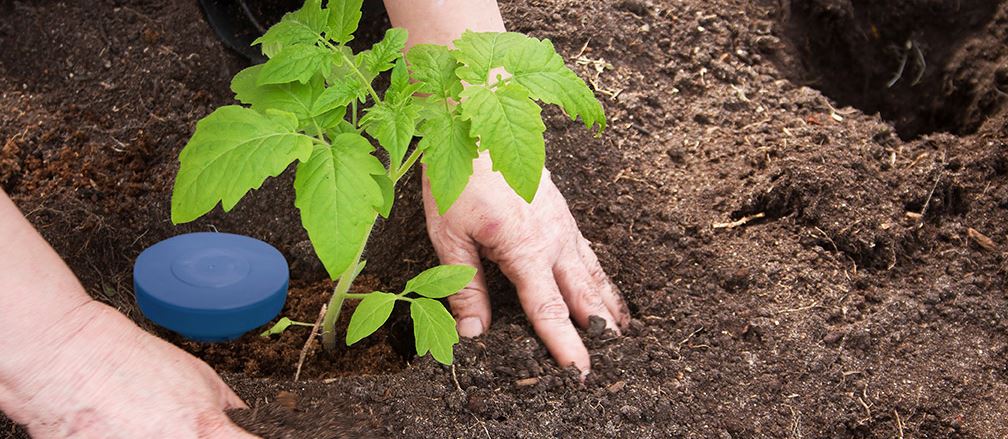
A smart-farm solution to reduce agriculture water consumption.

When and why do people decide to move in response to environmental changes?

Tannic acid, commonly used in medicine or the technical and food industry, may soon help make electronic components and adhesives more durable and better for the environment.

 Micron-sized hidden dimensions could solve two of physics’ deepest puzzles
 Turning Periods into Power: Menstrual Blood a Valuable Resource for Medical Diagnostics
 Bone loss in obesity traced to gut microbiota
 Surfactants Steer Supraparticle Structure
 Edible electronics realize safe, complex monitoring devices
 Fermilab Confirms Muon g-2 Measurements