US scientists have found bacteria that converts toxic pollutants into less harmful substances, while generating electricity in the process.


US scientists have found bacteria that converts toxic pollutants into less harmful substances, while generating electricity in the process.
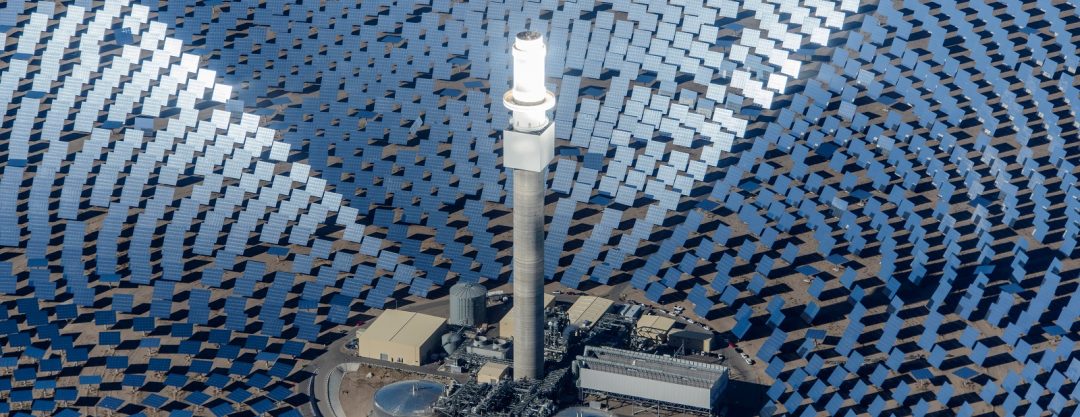
Solar researchers have investigated whether it is economically viable for a solar thermal power plant to convert excess photovoltaic and wind power into heat and store it.

Scientists demonstrate the feasibility of chirality-encoded logic architectures.

A team of Canadian researchers has shown that direct contact between an AP “cold” oxidizing plasma source and water that contains very high concentrations of cyanobacteria and green algae, along with associated BMAA toxin, could be quite rapidly (in minutes) decontaminated with modest energy input.

For the first time, a research group successfully uses egg shells as an electrode for energy storage.
![Optimizing Electrodes for Solid Oxide Fuel Cells [Video]](https://www.advancedsciencenews.com/wp-content/uploads/2019/03/aennm201800120_ASN_image.jpg)
Low-cost strategies to tailor the microstructure of solid oxide fuel cell electrodes are discussed, providing a fast and efficient way to evaluate new electrode materials.

The ETH spin-off Oxara, is developing a cement-free concrete made from clay-based excavation material to build affordable, sustainable houses.

Scientists analyze CMTS from a structural and electronic perspective and propose criteria for disorder-free materials .
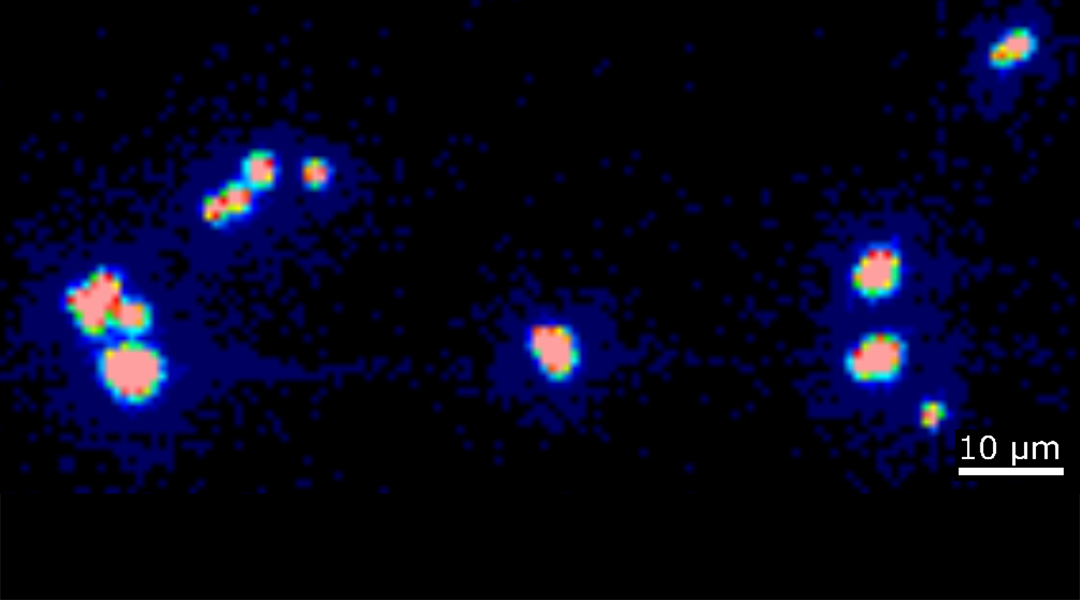
Gallium nitride as a potential alternative to current silicon-based electronics.
![A High-Throughput Method for Manufacturing 2D Nanosheets [Video]](https://www.advancedsciencenews.com/wp-content/uploads/2019/02/adfm201802952_ASN_image.jpg)
A high‐throughput hydrodynamic exfoliation process yields a highly stable colloidal suspension of 2D nanosheets in water.
 New theory suggests gravity is not a fundamental force
 Higgs boson may be driving the Universe’s expansion
 Water-powered gadgets may be on the horizon thanks to new evaporation-based energy device
 Scientists discover a new class of antibiotics
 Micron-sized hidden dimensions could solve two of physics’ deepest puzzles
 A new type of dark matter could explain mysterious radiation from the Milky Way’s core