Perovskite-based photovoltaics are currently achieving PCEs of just over 22%. Here are some interesting highlights of recent perovskite research.
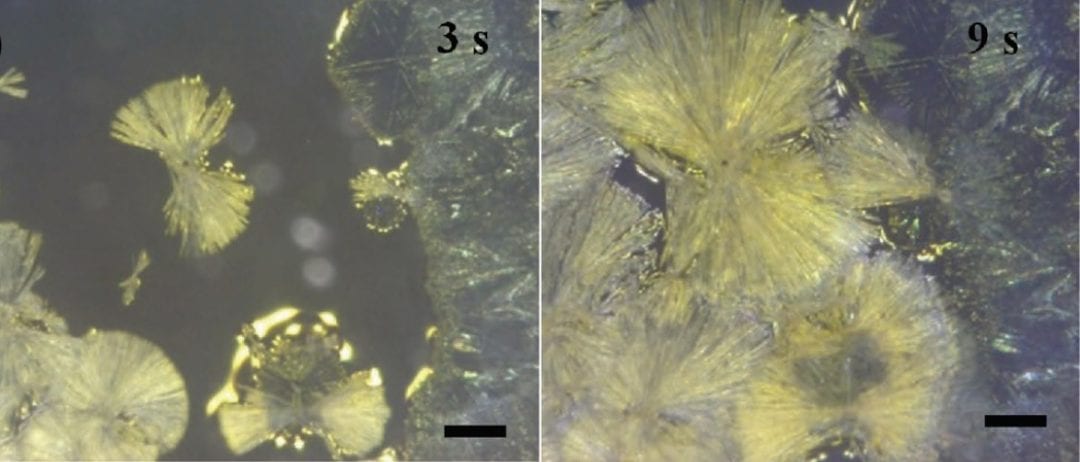

Perovskite-based photovoltaics are currently achieving PCEs of just over 22%. Here are some interesting highlights of recent perovskite research.
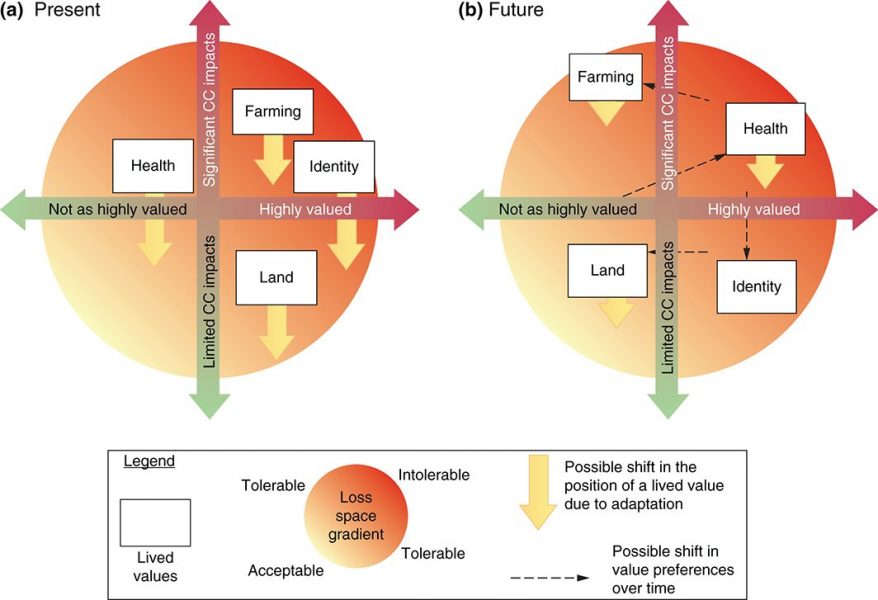
A look beyond predefined risk assessments, an explicit focus on value- and place-based priorities and decision making processes to access the impact on vulnerable communities at the center of analysis, to identify where, how, and when to target concrete efforts for risk reduction and prevent intolerable losses due to climate change.
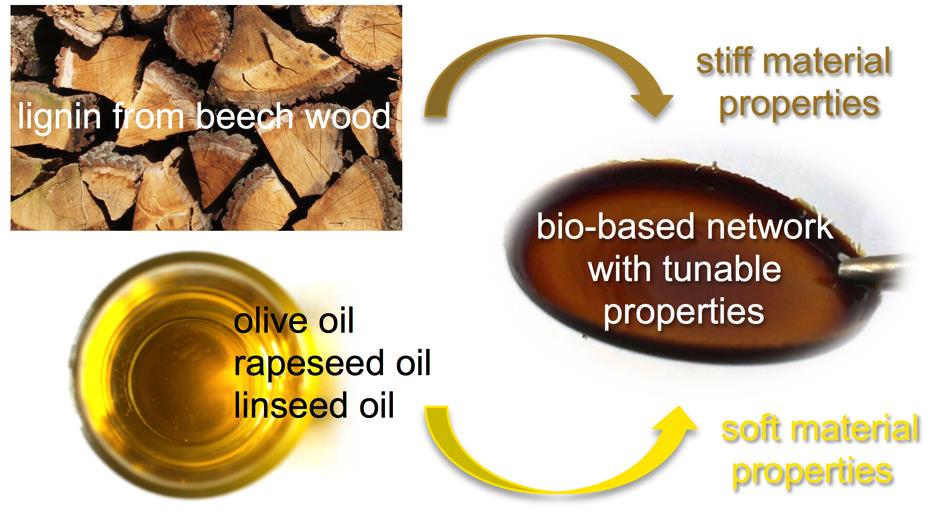
The use renewable resources to prepare thermosetting polymer films with tunable mechanical properties is demonstrated in a new paper. These exciting results highlight the possibility of combining two structurally different renewable materials to prepare cross-linked networks with varying and tunable mechanical properties.

A recent Review takes an in-depth look at the current status and future prospects of supercritical transesterification.
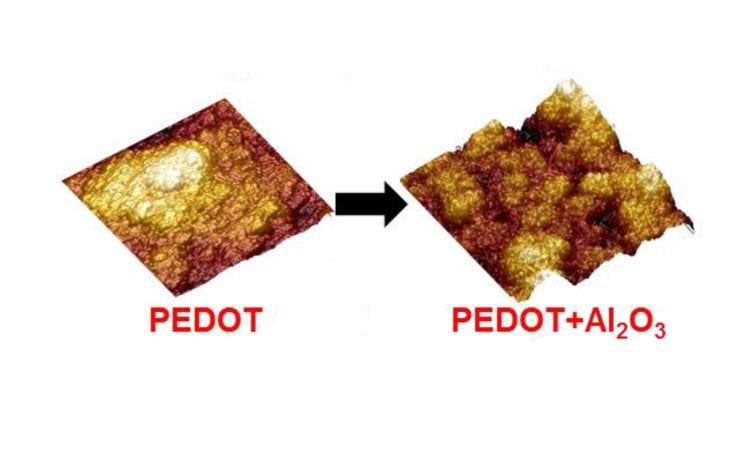
Stable composites with high specific capacitance using a simple in situ anodic polymerization technique are synthesized.

A team of Fulbright NEXUS researchers takes stock of the literature and charts a path forward for situating the ‘local’ in climate change adaptation. (Image credit: Pekchar/Fotolia)

In an important step forward for wearable electronics, researchers design and build a set of “solar glasses”, which integrate transparent solar cells into the lenses and electronics into the frames, to measure and display the instantaneous light intensity and ambient temperature.

Prof. Elizabeth Biddinger talks about her recent article on copper-based catalysts for carbon dioxide electroreduction, which brings new insights towards the renewable conversion of carbon dioxide, a well-known greenhouse gas, into green fuels and chemicals.
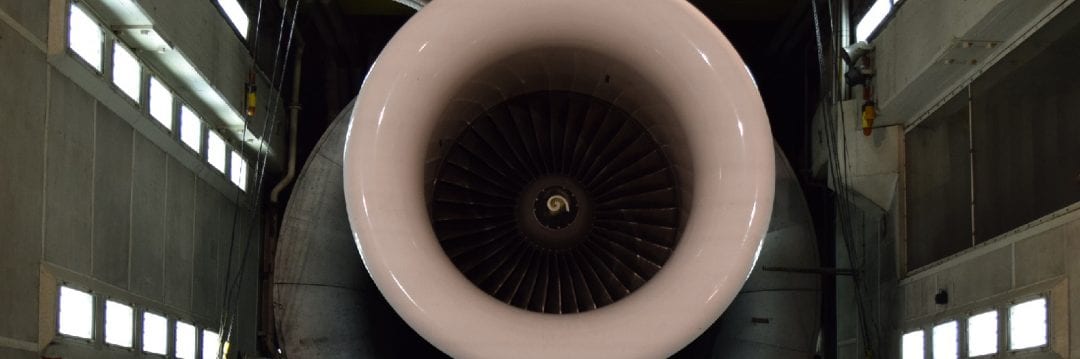
In a large-scale test, DLR researchers investigated the use of biofuels as well as blends of biofuels and kerosene in a real engine.
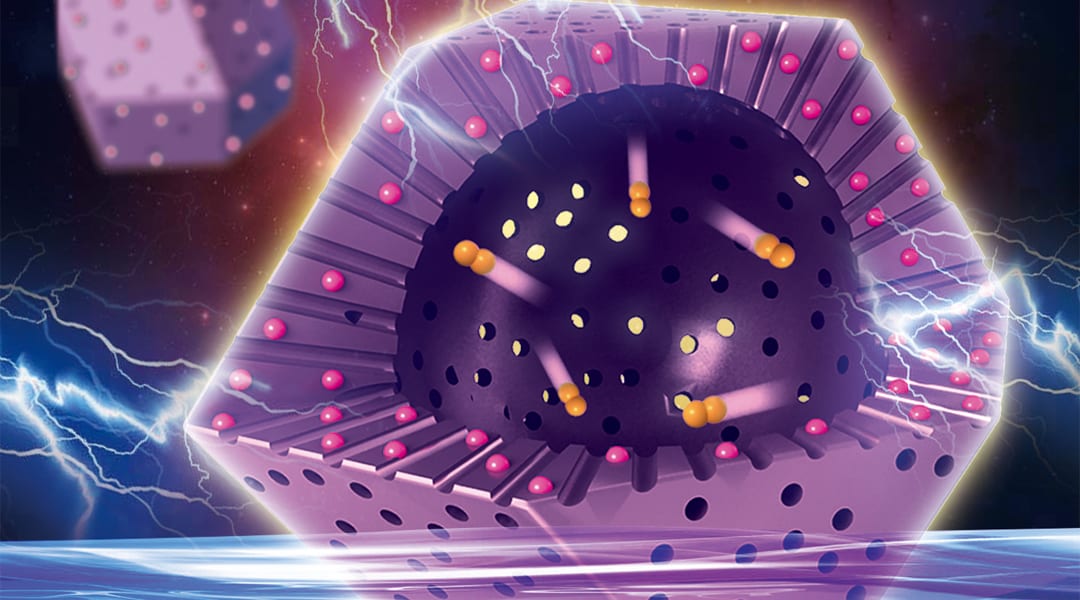
A hollow cobalt and nitrogen co-doped carbon nanopolyhedra catalyst, which effectively traps oxygen molecules available in the electrolyte is fabricated.

 Micron-sized hidden dimensions could solve two of physics’ deepest puzzles
 Turning Periods into Power: Menstrual Blood a Valuable Resource for Medical Diagnostics
 Surfactants Steer Supraparticle Structure
 Bone loss in obesity traced to gut microbiota
 Edible electronics realize safe, complex monitoring devices
 Fermilab Confirms Muon g-2 Measurements