Wouldn’t it be easier to watch a chemical reaction in realtime? NMR with integrated LED lights could make this more feasible.


Wouldn’t it be easier to watch a chemical reaction in realtime? NMR with integrated LED lights could make this more feasible.
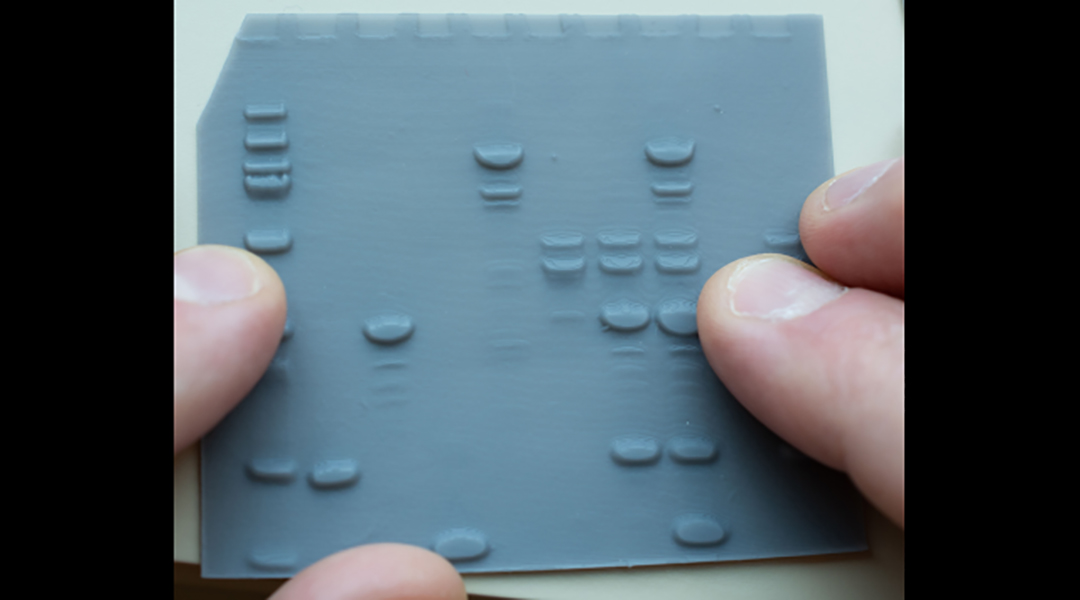
3D-printed lithophanes are helping to democratize science by making data more shareable between sighted and blind scientists.

Getting around the high C-H bond dissociation energy in methane has been a challenge to making methanol from natural gas — until now.
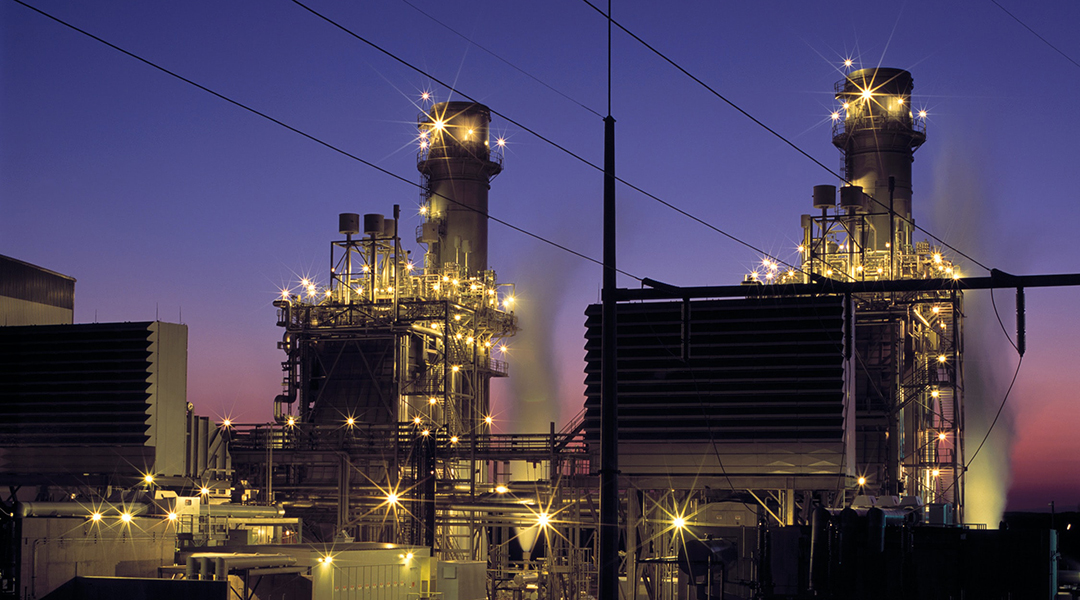
An MOF filters methane, nitrogen, and carbon dioxide from natural gas with record-breaking selectivity under practical conditions.
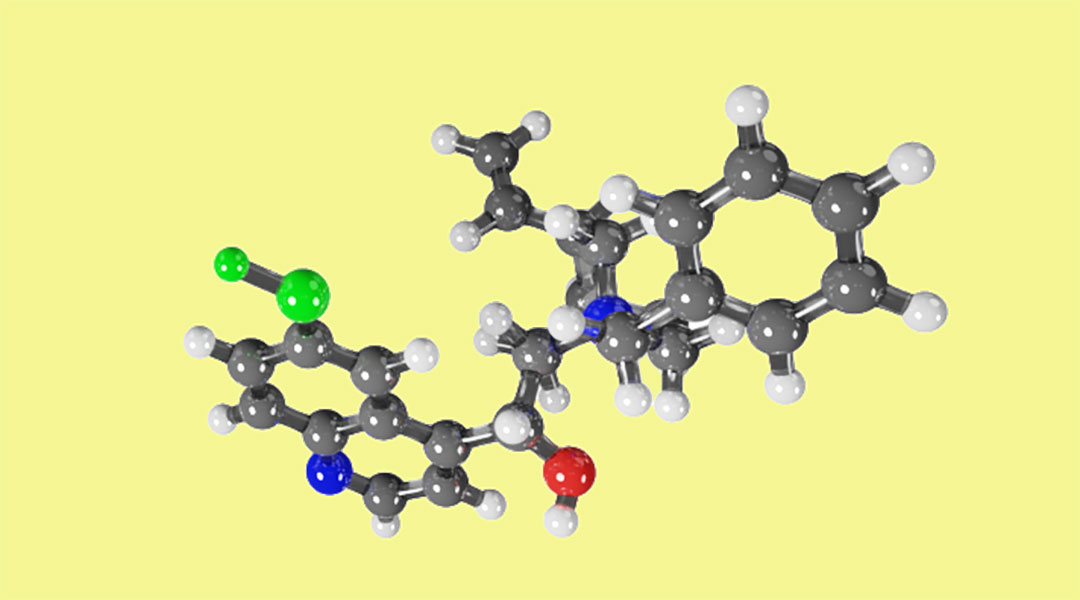
Though experimentation is still king in most chemists’ minds, computational chemistry has the potential to transform the field.

Using solar energy, water, and lunar soil, scientists were able to carry out reactions needed to sustain human life on the Moon.

Decarbonizing the chemical industry is possible, provided decreases in the cost of solar energy and increases in LED efficiency continue.
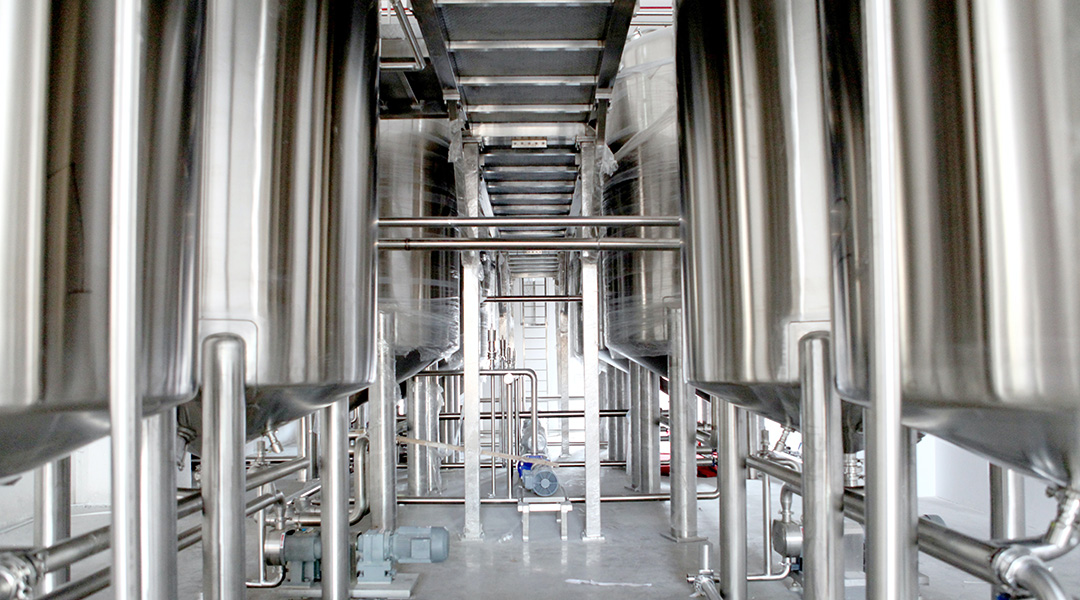
A new chemical looping approach helps optimize the Ostwald reaction, making the production of nitric acid a little “greener”.
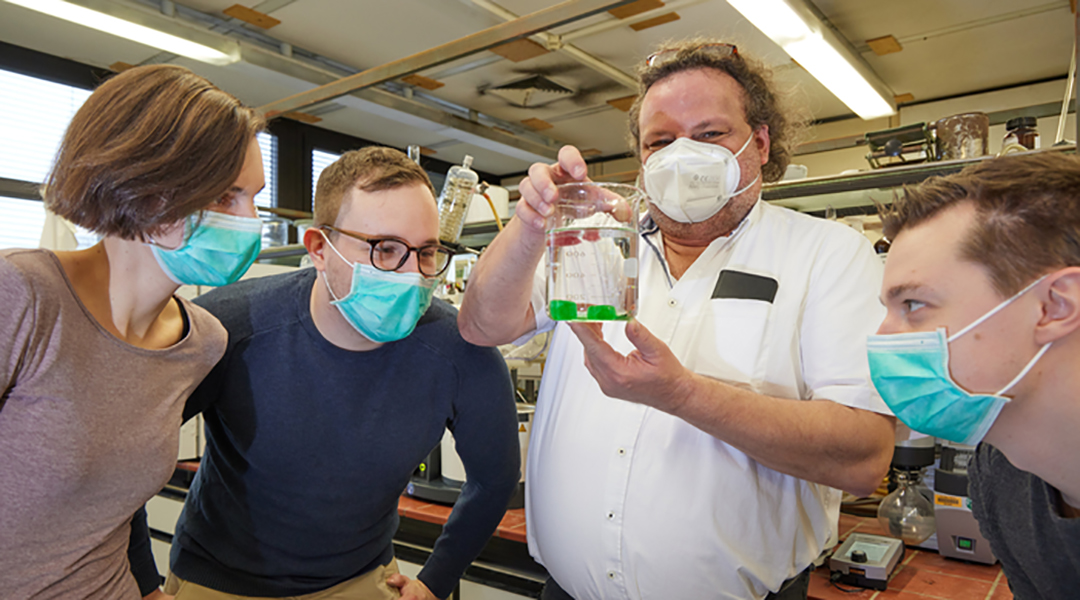
An epoxide ring opening reaction could help stabilize biomolecules by replacing hydrogen with deuterium with a high degree of selectivity.

New potential antibiotic molecules were found to destroy biofilms and acted against gram-positive bacteria.
 New theory suggests gravity is not a fundamental force
 Higgs boson may be driving the Universe’s expansion
 Water-powered gadgets may be on the horizon thanks to new evaporation-based energy device
 Scientists discover a new class of antibiotics
 Micron-sized hidden dimensions could solve two of physics’ deepest puzzles
 A new type of dark matter could explain mysterious radiation from the Milky Way’s core