Prof. Lei Fang reviews how co-planar conformation in π-conjugated systems can be locked by using dynamic noncovalent bonds.
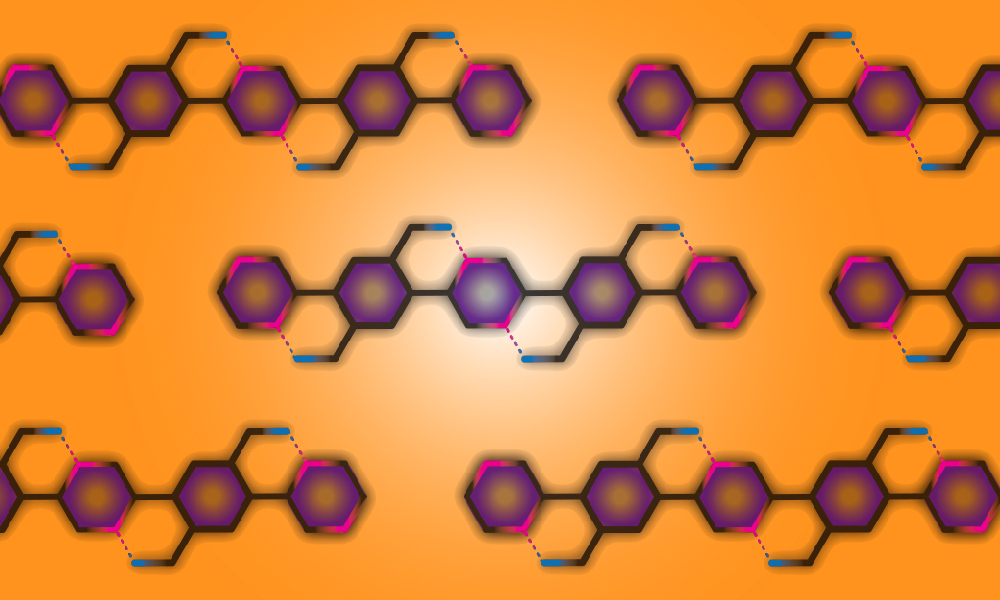

Prof. Lei Fang reviews how co-planar conformation in π-conjugated systems can be locked by using dynamic noncovalent bonds.
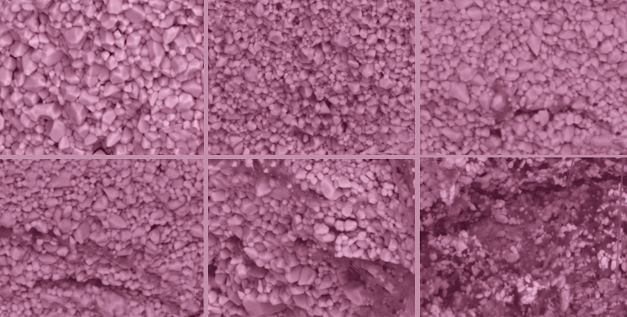
It is shown that polymer such as Teflon can be distributed around each grain of ZnO, and this, in turn, allows for use to form a composite material with an electrical conduction that is blocked at low fields and conducts at high field through the quantum mechanical process known as “tunneling”.
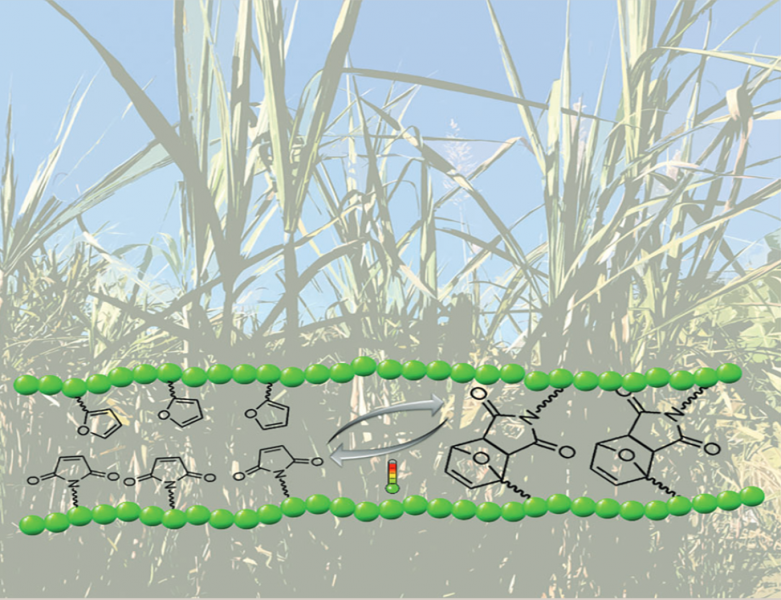
Fats and oils derived from plants, microorganisms and animals are an excellent feedstock for the “green” and renewable chemical industry.
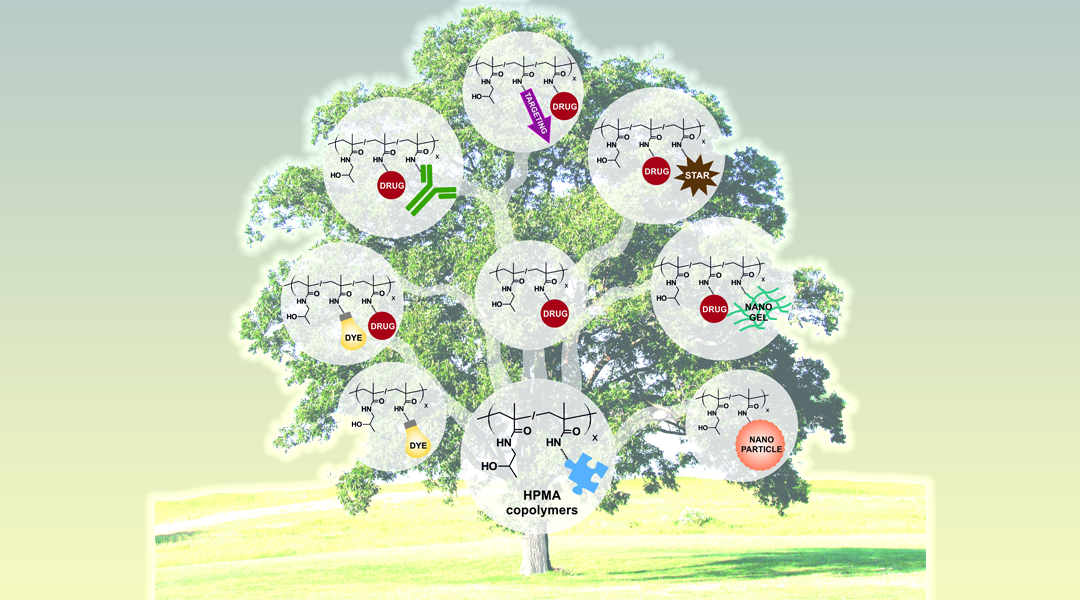
The current special issue in Macromolecular Bioscience is published on the occasion of Professor Karel Ulbrich’s 70th birthday
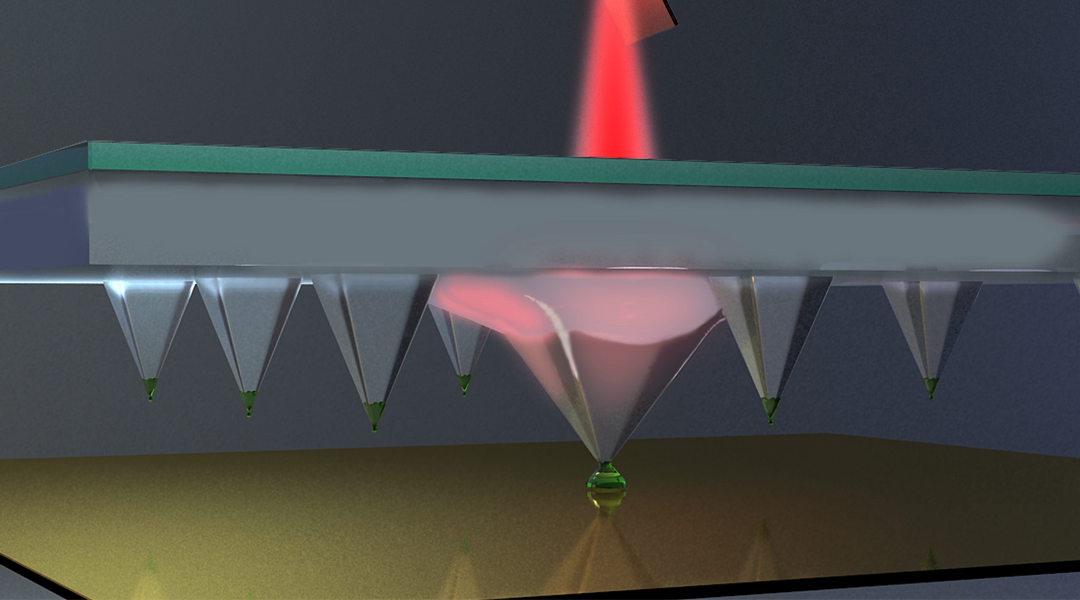
Local control of pens in a large-scale pen array can be achieved by using a nanotube composite that is photo-responsive to fabricate each individual pen.
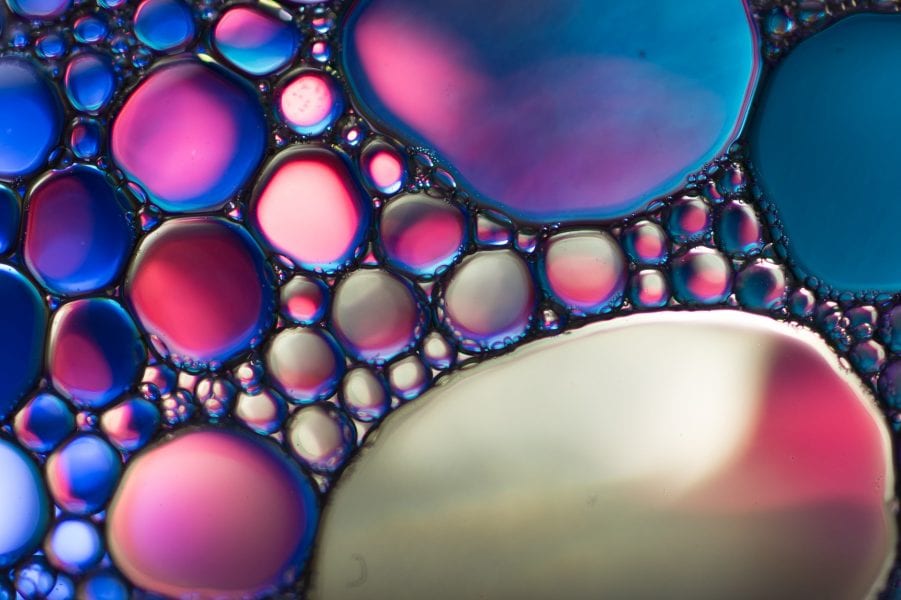
A simple, robust, and versatile way of molding all-liquid objects with potential applications in materials and life sciences.

An integrative approach of modeling and hydrogen-deuterium exchange helps to describe the enzyme that regulates glycogen levels in muscles and liver.
All articles of the recently published first issue of Advanced Theory and Simulations are freely available for a limited time
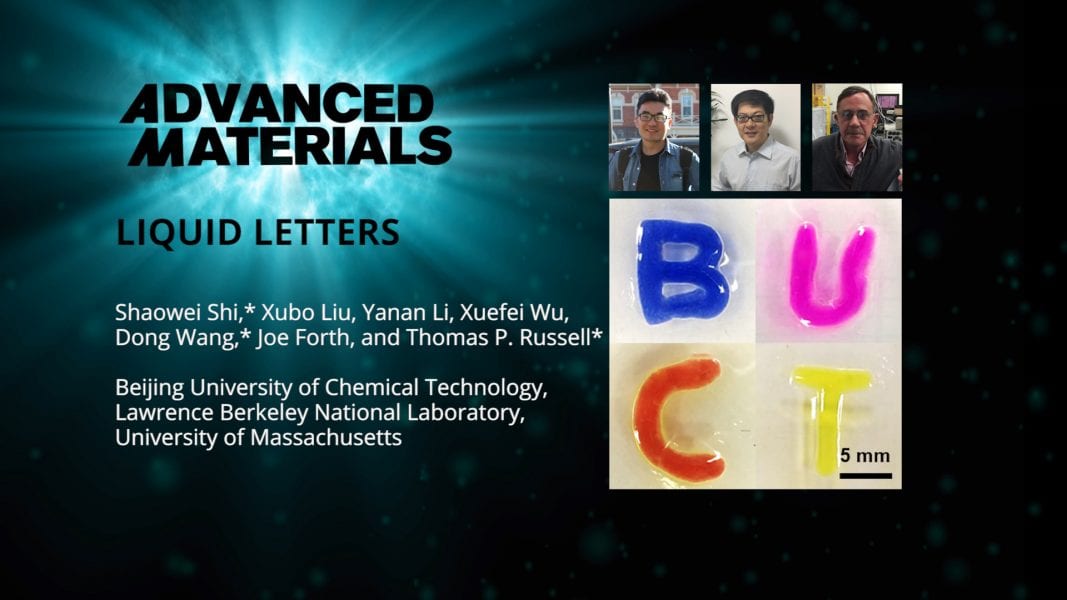
A team of researchers develop a unique molding process for generating all-liquid structures via interfacial jamming of cellulose nanocrystal (CNC) surfactants. The structures have long-term stability and can adapt or respond to external stimuli, allowing for potential applications in encapsulation, sensors, and liquid electronic devices.
Deadline Extended to the 25th January: The Journal of Polymer Science Part A and Part B is proud to announce the call for nominations for the seventh year of its international award.

 Micron-sized hidden dimensions could solve two of physics’ deepest puzzles
 Turning Periods into Power: Menstrual Blood a Valuable Resource for Medical Diagnostics
 Surfactants Steer Supraparticle Structure
 Bone loss in obesity traced to gut microbiota
 Edible electronics realize safe, complex monitoring devices
 Fermilab Confirms Muon g-2 Measurements