“Brain-on-a-chip” shows minute-by-minute how the blood–brain barrier reacts to high levels of inflammation.
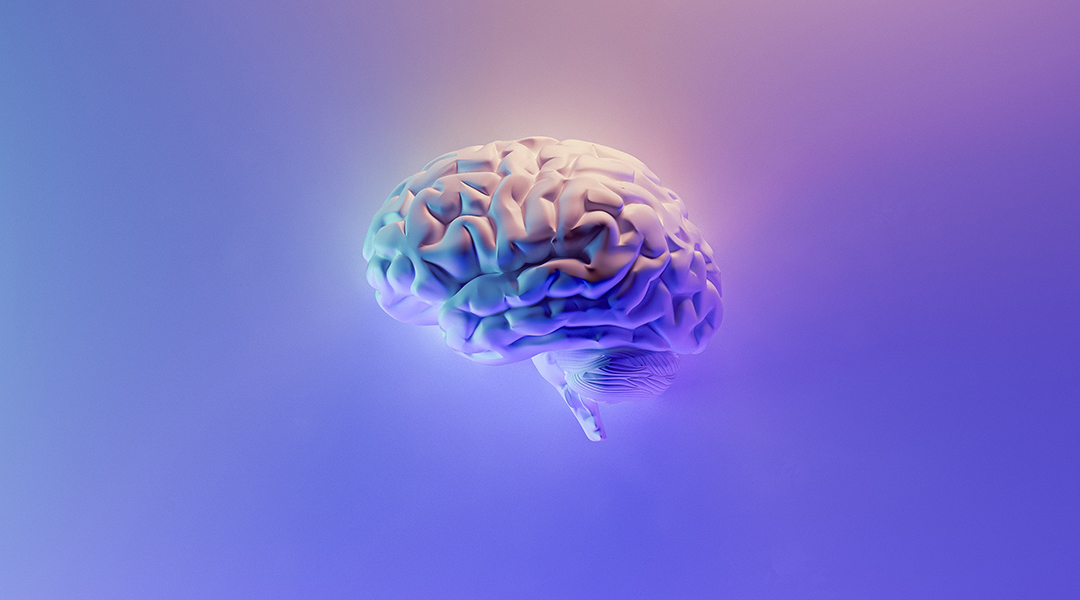


“Brain-on-a-chip” shows minute-by-minute how the blood–brain barrier reacts to high levels of inflammation.
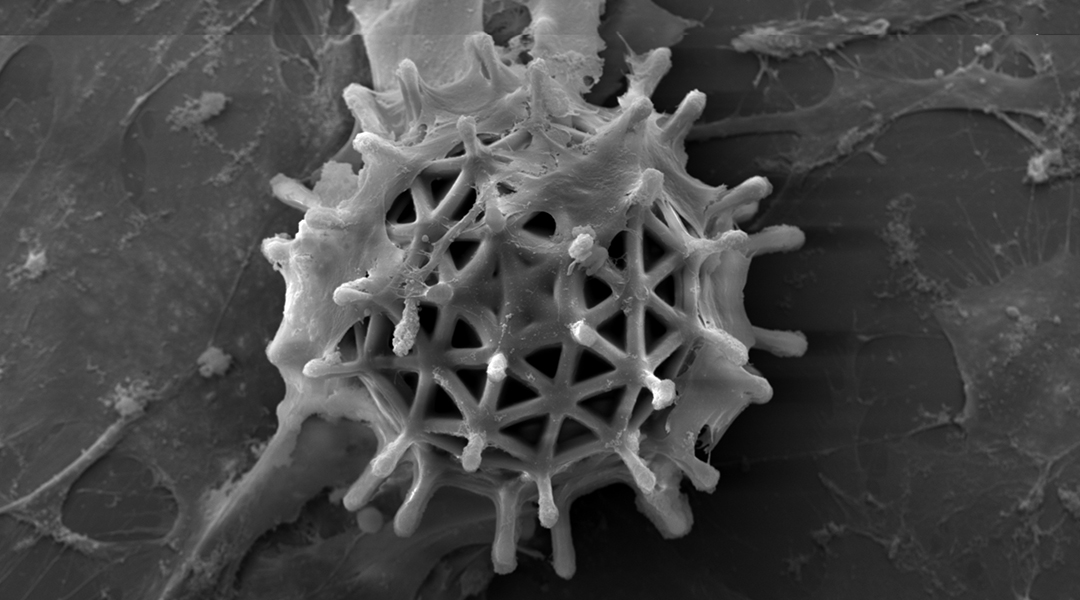
Researchers find the sweet spot between strength and biocompatibility in these tiny cell-carrying microrobots.

A new true random number generator offers better encryption by taking advantage of a flaw in memristor memory devices.
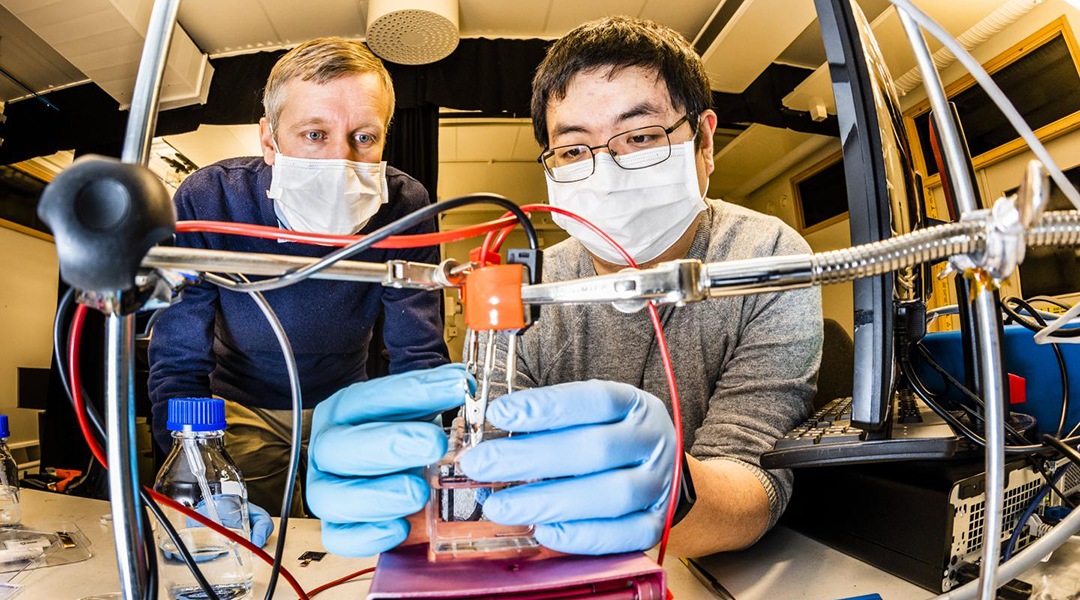
Tunable structural color images by UV-patterned conducting polymer nanofilms on metal surfaces.
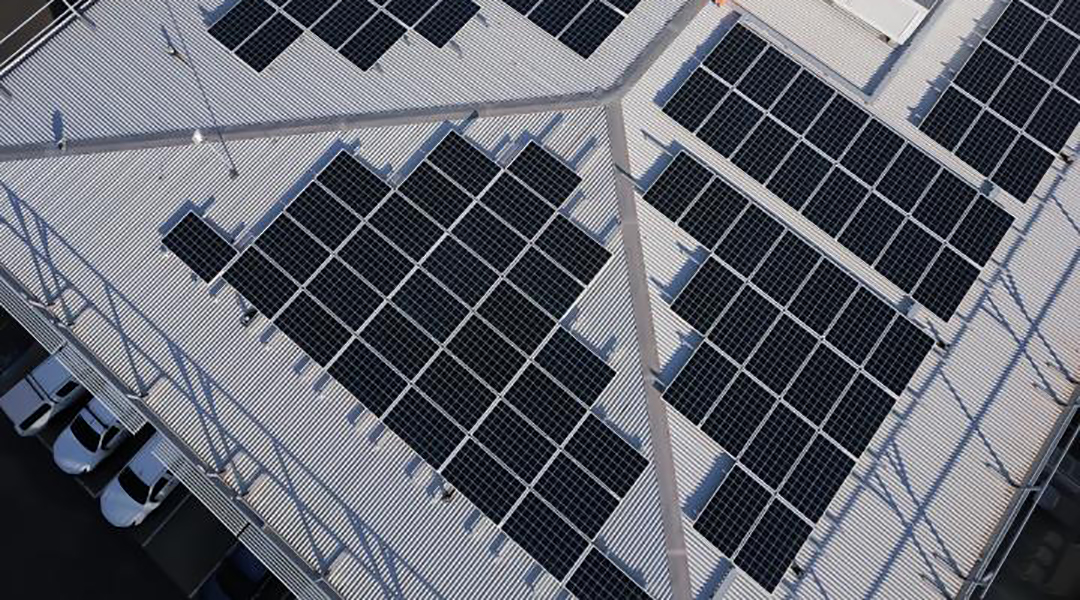
Microfluidic processing could help to make a competitive printed photovoltaics industry a reality.
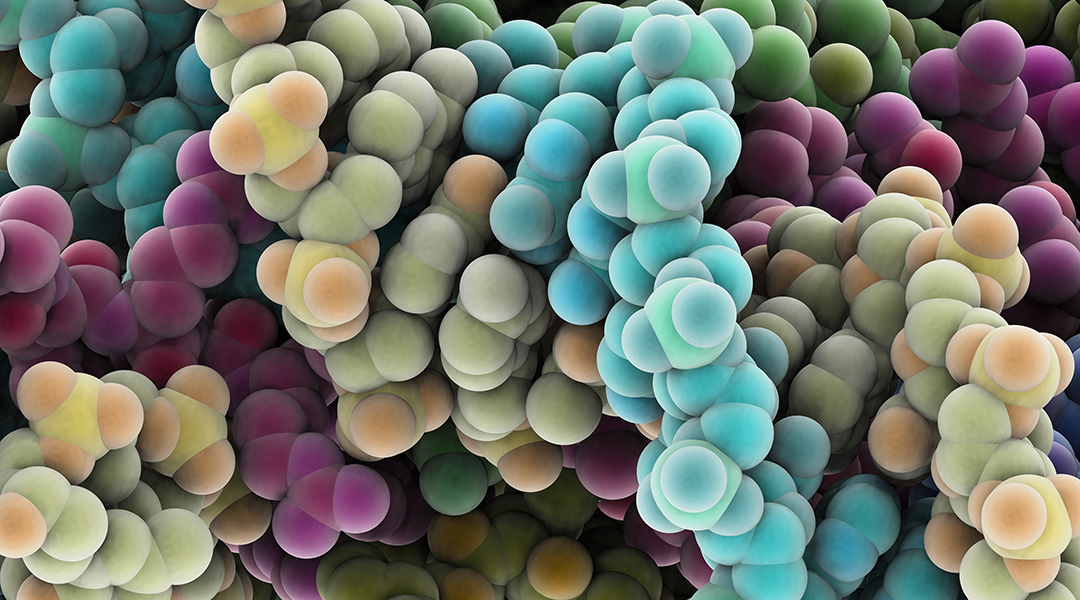
Bioorthogonal hydroamination of activated linear alkynes now suitable in living cells.

Kiriform structures harness buckling for stable, deployable structures.
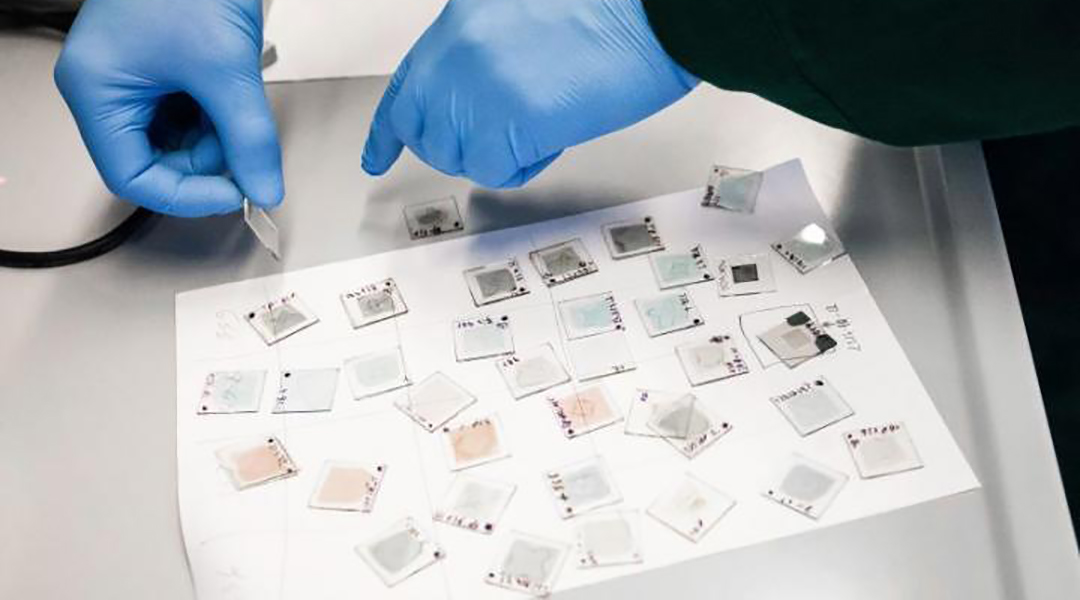
A molecule-thick material is opening doors for the advancement of flexible and recyclable organic solar cells.

Analysis is a rare example of archaeologists being able to reconstruct a dramatic episode in the life of a prehistoric community.
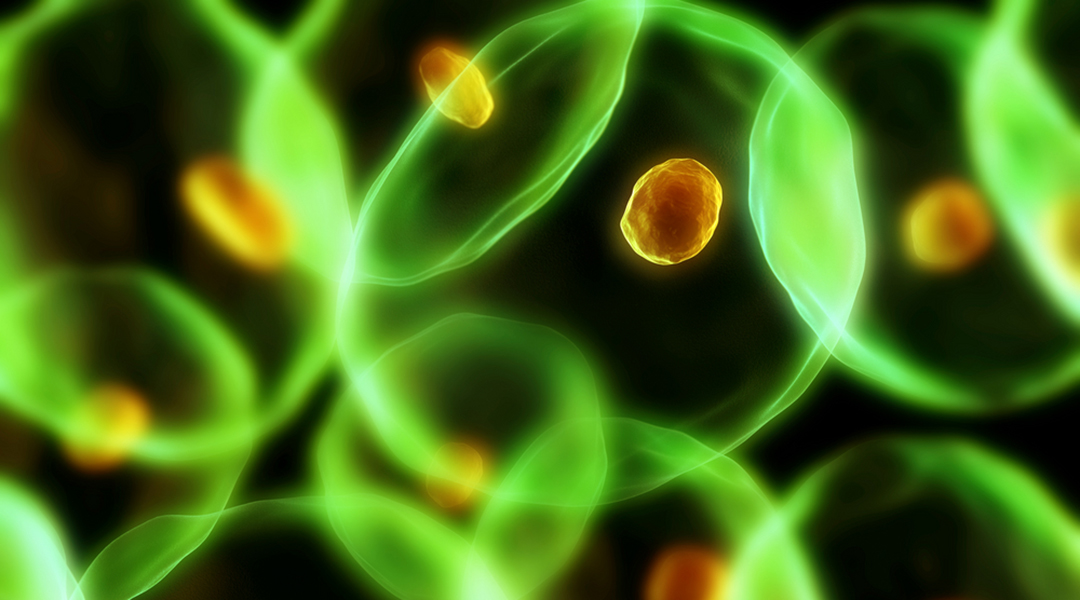
The device could improve personalized medicine by detecting whether a specific drug is likely to work for a patient before it is administered.