Experts think humans should be able to safely travel to and from Mars, but harmful solar radiation poses some technological challenges.
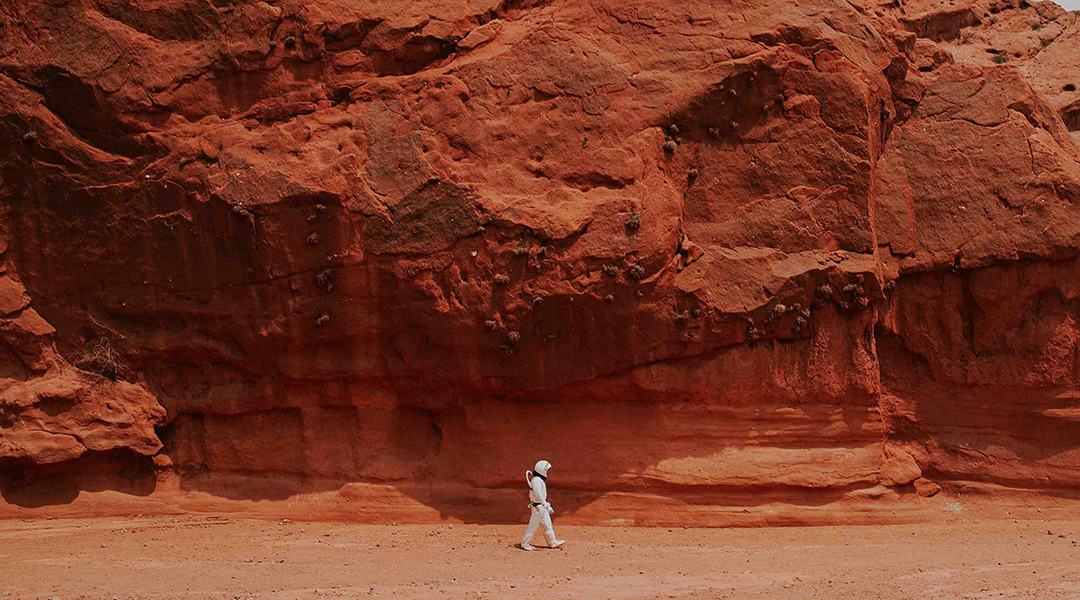


Experts think humans should be able to safely travel to and from Mars, but harmful solar radiation poses some technological challenges.
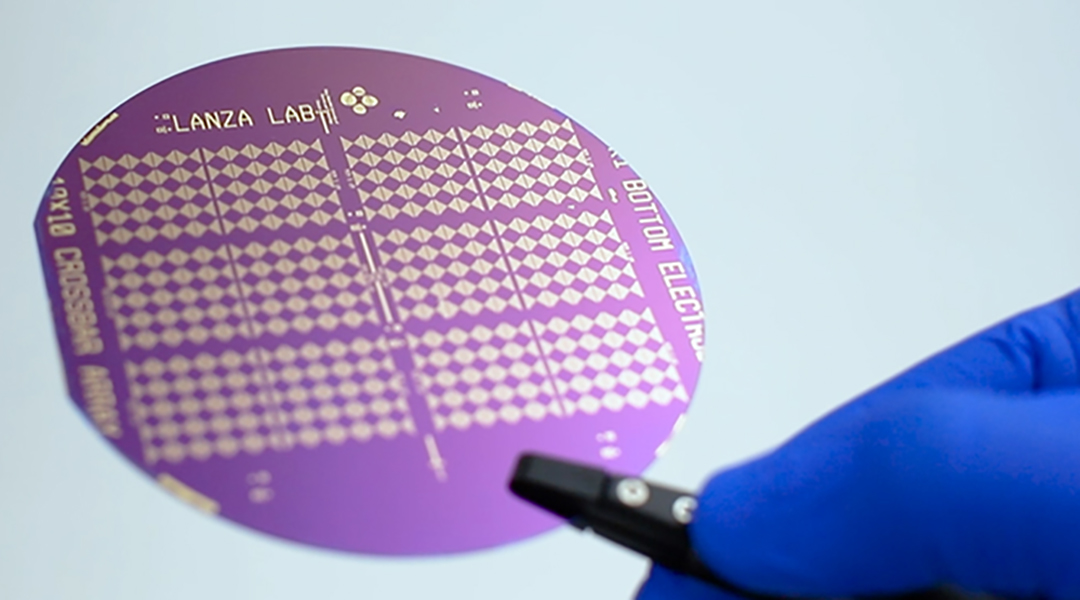
Using atomically-thin 2D films, researchers have developed a nano-scale random number generator with enhanced long-term stability and reduced power consumption.

A pollen-based ink opens doors for advancements in 3D bioprinting.
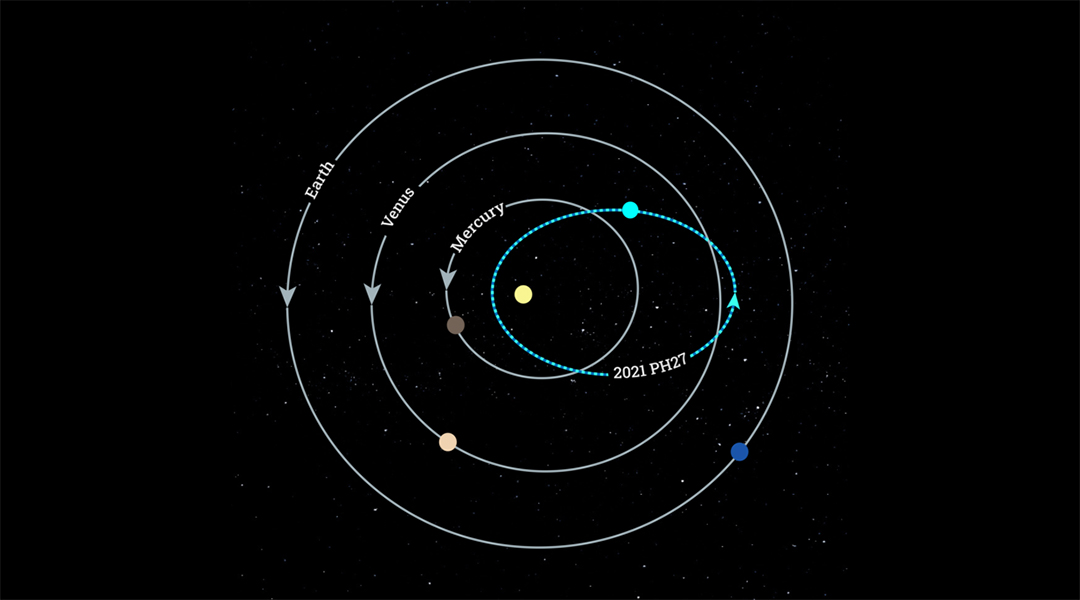
A new asteroid that orbits the Sun in just 113 days was recently discovered in twilight images.
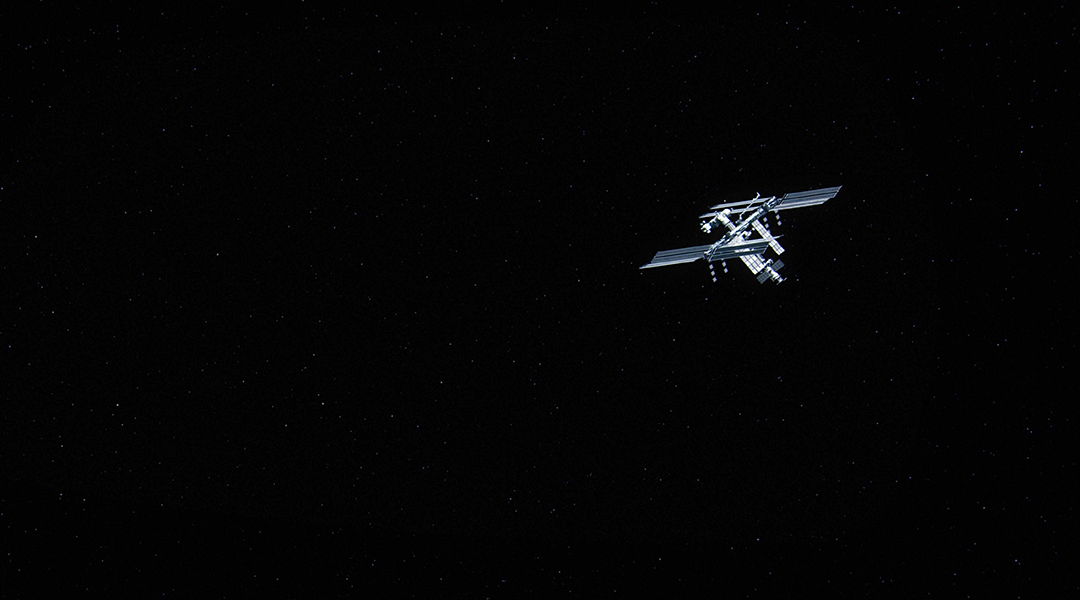
DNA damage by radiation is a concern for space travelers. New experiments on the ISS show that CRISPR gene editing tools can function in space and can potentially be used to mitigate these effects.
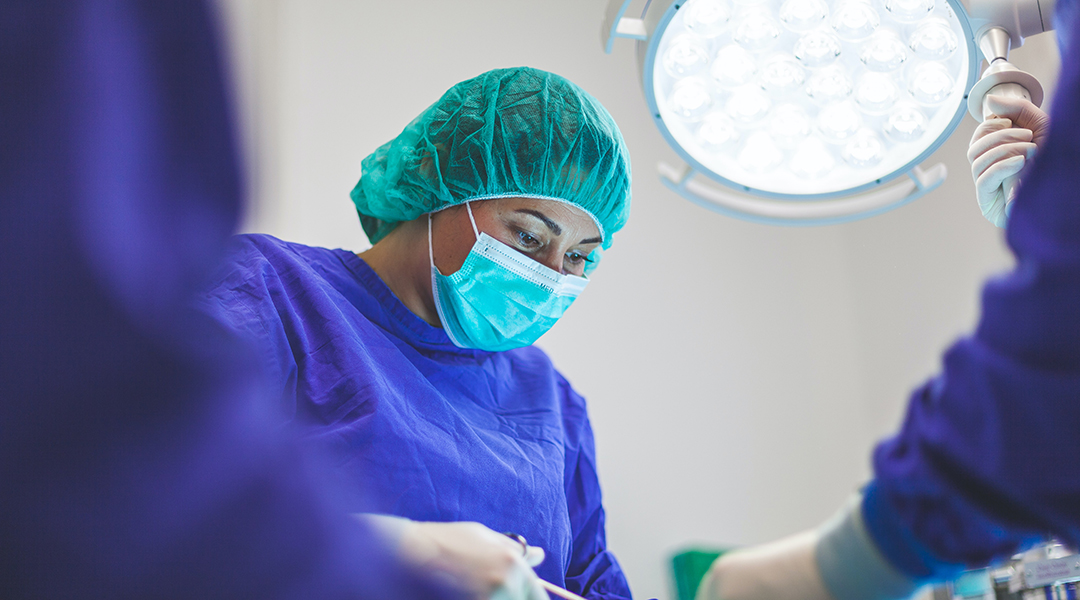
Recent advances in urinary stents have made treating blockages better and safer for patients.
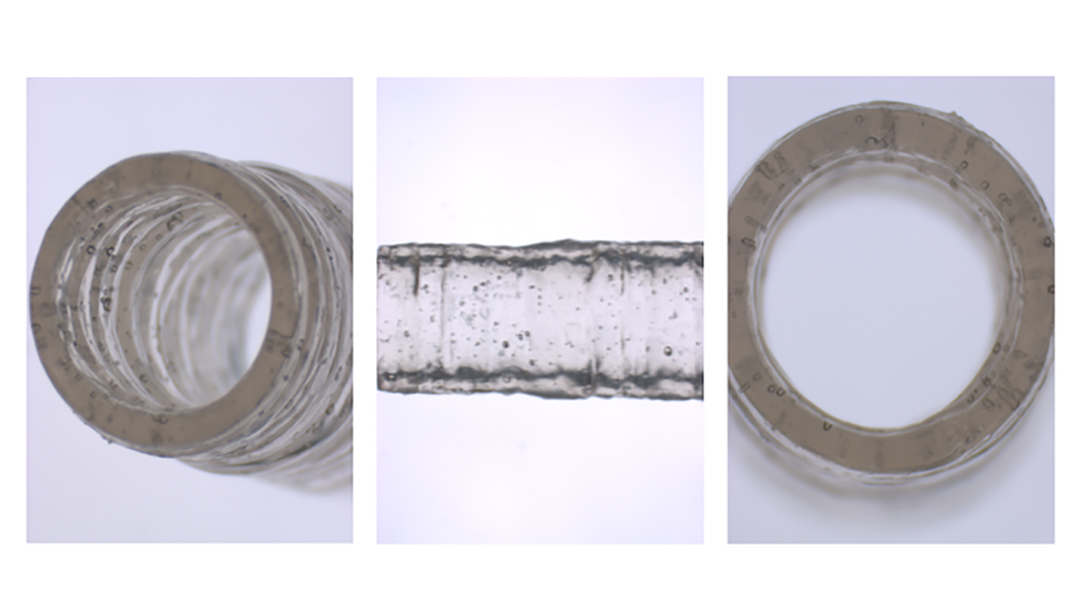
A new nanoengineered bioink allows scientists to print 3D, anatomically accurate, multicellular blood vessels.

The tool lets researchers, farmers, policymakers, and other interested parties test different land management techniques to find out which ones and where could be most beneficial for bees.
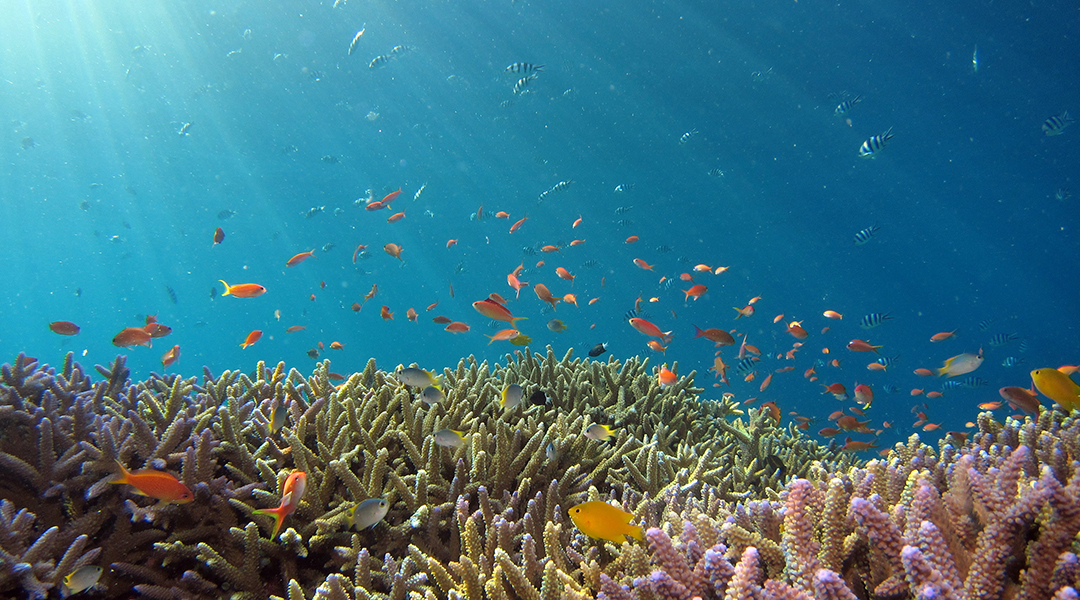
While extreme heat from climate change caused bleaching among the less disturbed coral reefs, those located in more populated and polluted waters adapted.
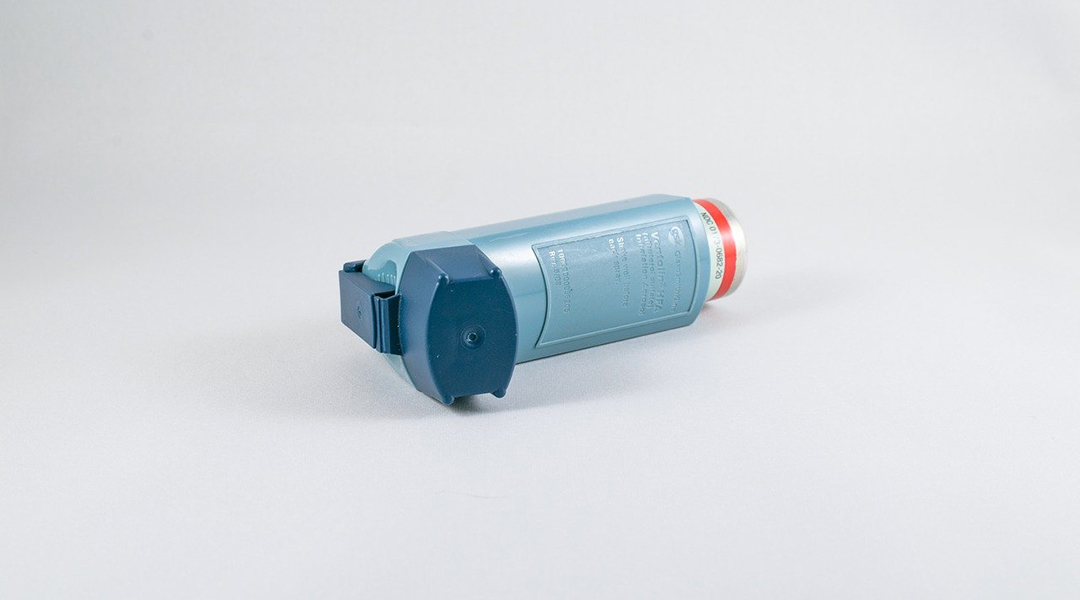
A new technology designed to target allergic asthma could provide more efficient means of delivery and treatment straight to the source of inflammation.