Arumugam Manthiram of the University of Texas at Austin was a Web of Science Highly Cited Researcher for 2017. Hear what he has to say about the problem of polysulfide shuttling in sulfur-based battery systems.
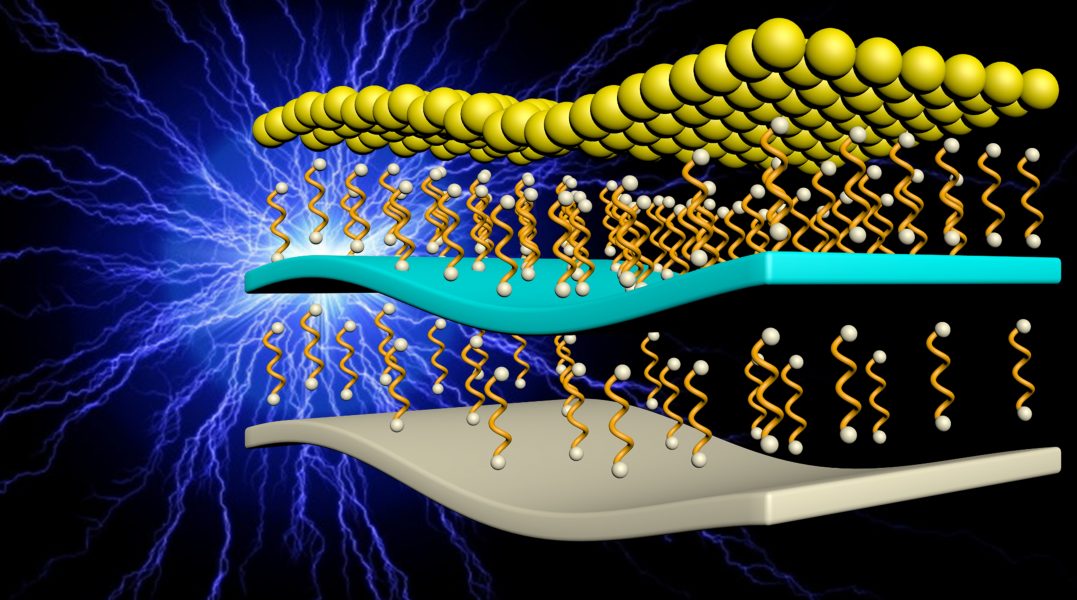

Arumugam Manthiram of the University of Texas at Austin was a Web of Science Highly Cited Researcher for 2017. Hear what he has to say about the problem of polysulfide shuttling in sulfur-based battery systems.
![3D Microflower Cathode Promotes Oxygen Diffusion in Lithium–Oxygen Batteries [Video]](https://www.advancedsciencenews.com/wp-content/uploads/2018/04/aenm201800089_ASN_image.png)
Dr. Mingsen Zheng, Prof. Quanfeng Dong, and co-workers from Xiamen University design a plant-inspired, high-performance cobalt sulfide–porous carbon foil (PCF) electrode for lithium–air (Li–O2) batteries.
![Moisture-Resistant Perovskite Solar Cells Based on Low-Cost Dye [Video]](https://www.advancedsciencenews.com/wp-content/uploads/2018/04/aenm201703007_ASN_image.jpg)
Dopant-free, moisture-resistant hole-transport materials (HTMs) for perovskite solar cells based on derivatives of the dye anthanthrone (ANT) are developed by Sagar M. Jain from Swansea University Bay Campus, Prashant Sonar from Queensland University of Technology, and co-workers.

The addition of a liquid metal anode enables the design of a deformable battery with some unusual characteristics.

Nordic researchers develop liquids for the storage of solar energy as chemical energy.

Sometimes the answer to a problem is exactly where you would expect it to be.

Adding a layer of biodegradable paper over a photocatalyst is found to increase the activity of the catalyst significantly.
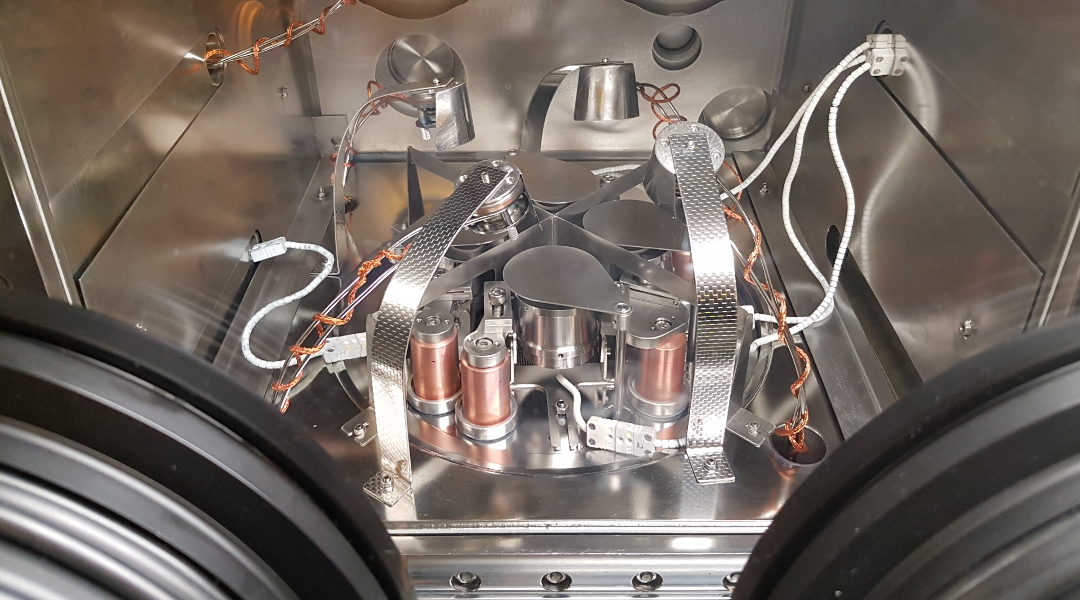
An alternative to multi-stage solution-processing techniques for fabricating mixed-cation/mixed-halide perovskites is introduced.
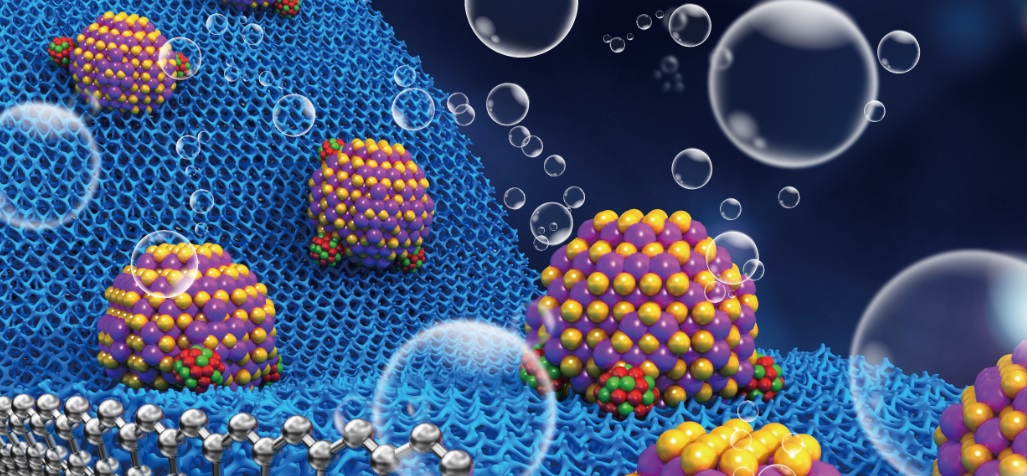
What’s new in hydrogen production? Sustainable energy is a hot topic, and these snapshots will update you on what materials are being optimised right now for the HER.
![Thermoelectric Material for Carbon Dioxide Hydrogenation [Video]](https://www.advancedsciencenews.com/wp-content/uploads/2018/02/aenm201701430_ASN_image.png)
Researchers from Cranfield University and Queen Mary University of London report the use of a thermoelectric material as a catalyst support and promotor for carbon dioxide hydrogenation. Using a specially designed reactor chamber, they achieve simultaneous thermoelectric energy harvesting and catalysis.

 Micron-sized hidden dimensions could solve two of physics’ deepest puzzles
 Turning Periods into Power: Menstrual Blood a Valuable Resource for Medical Diagnostics
 Surfactants Steer Supraparticle Structure
 Bone loss in obesity traced to gut microbiota
 Edible electronics realize safe, complex monitoring devices
 Fermilab Confirms Muon g-2 Measurements