The Anthropocene has been defined by its carbon emissions, but modern technological advancements may hold the key to breaking this habit.


The Anthropocene has been defined by its carbon emissions, but modern technological advancements may hold the key to breaking this habit.

Albert Zink, director at the Institute for Mummy Studies, investigates remains from the past to bring ancient stories to life.
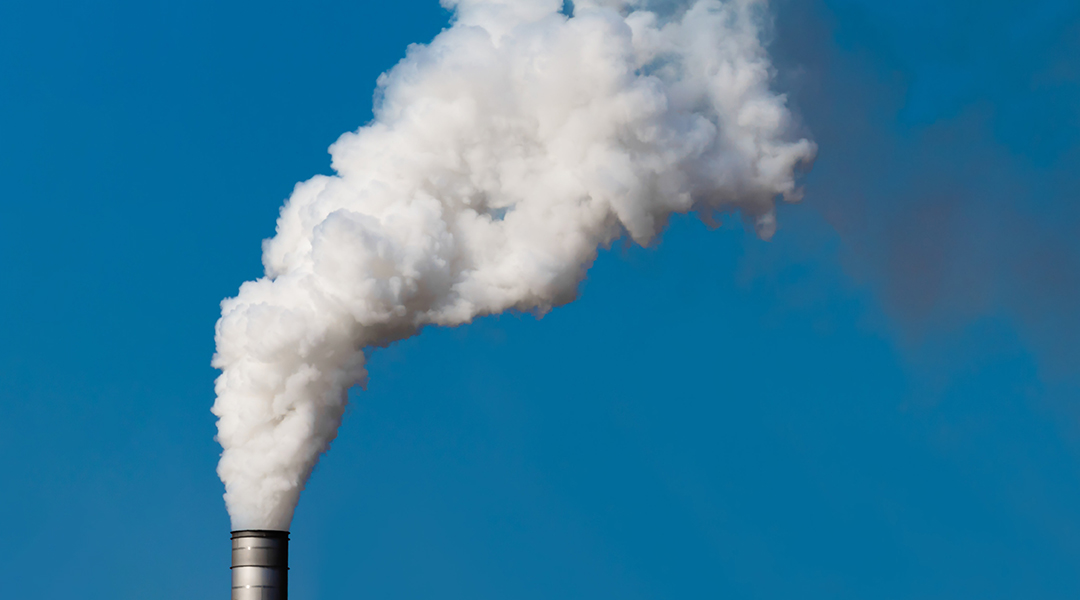
An innovative advance dubbed “electro swing” may challenge the energy efficiency, capacity, and scalability of large-scale carbon capture.

Heightened flooding due to sea level rise will coincide with a lunar cycle, spelling trouble for coastal communities.

Clean-burning synthetic fuels made from renewable ethers could replace carbon-based fuels and contribute to a cyclic carbon economy.

The idea of connecting all physical things together: let’s delve into how the Internet of Things is changing the world.

Researchers enhance the capabilities of Penning ion traps, which will allow them to “sharpen the picture” of new phenomena in physics.
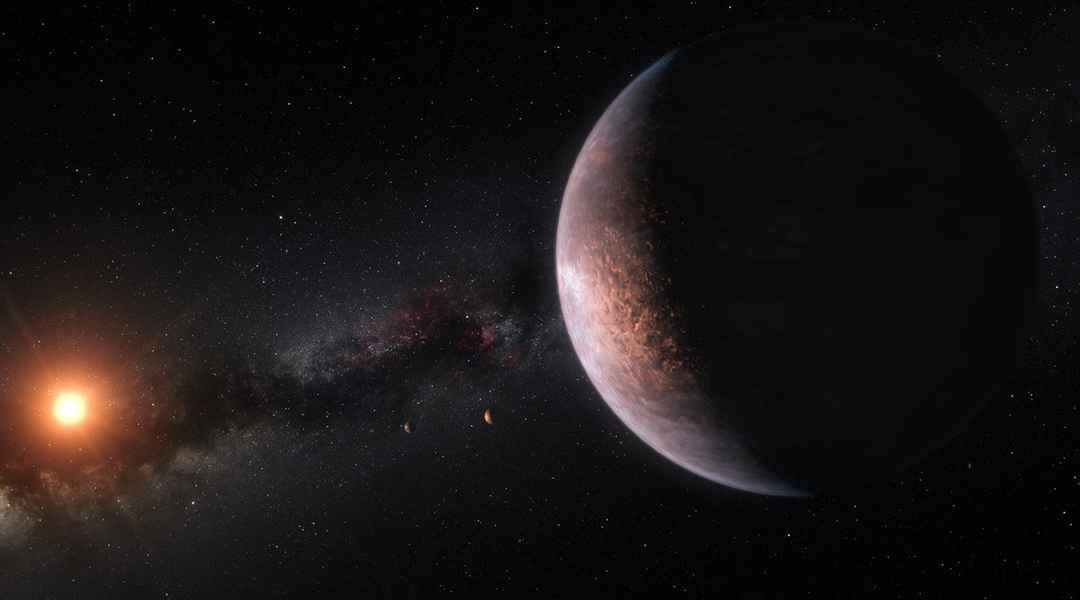
An intriguing thought experiment catalogs which of our interstellar neighbors might be gazing back at us.
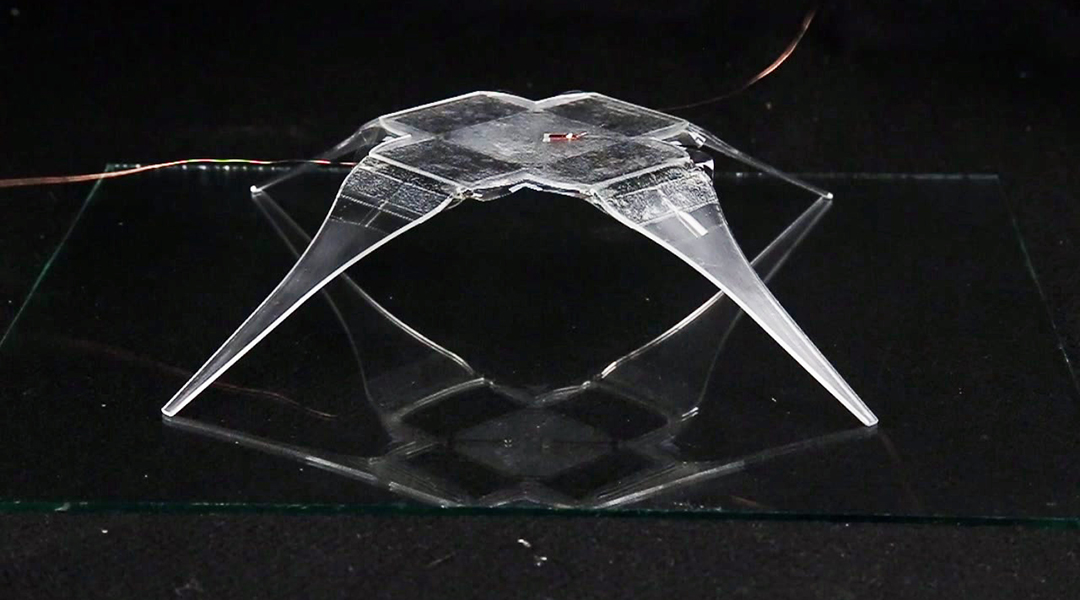
Robotic joints inspired by spiders help researchers create a new class of jumping, grasping, lightweight robots.

A polymer composite spray was shown to not only limit SARS-CoV-2 infection, but also hinders transmission in this proof-of-concept study.
 New theory suggests gravity is not a fundamental force
 Higgs boson may be driving the Universe’s expansion
 Water-powered gadgets may be on the horizon thanks to new evaporation-based energy device
 Scientists discover a new class of antibiotics
 Micron-sized hidden dimensions could solve two of physics’ deepest puzzles
 A new type of dark matter could explain mysterious radiation from the Milky Way’s core