German researchers have proposed a spin clock that is based on the free spin-precession of gaseous, nuclear spin-polarized 3He and 129Xe.
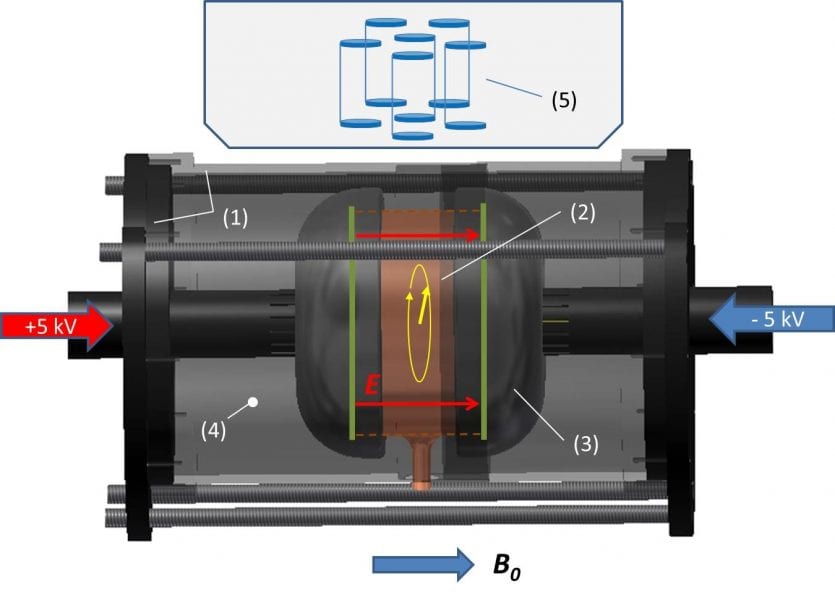

German researchers have proposed a spin clock that is based on the free spin-precession of gaseous, nuclear spin-polarized 3He and 129Xe.
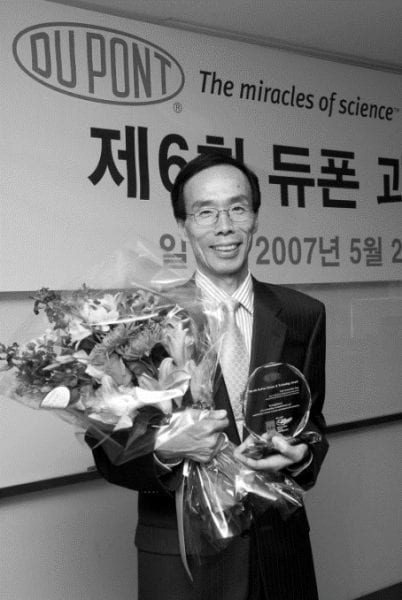
Professor Prof. Seung-Man Yang of KAIST passed away on September 26th, 2013 at the age of 63.
Nanowires, solar cells, and silicene – these and more in September’s physics highlights.

François Englert and Peter W. Higgs win the 2013 Nobel Prize in Physics.
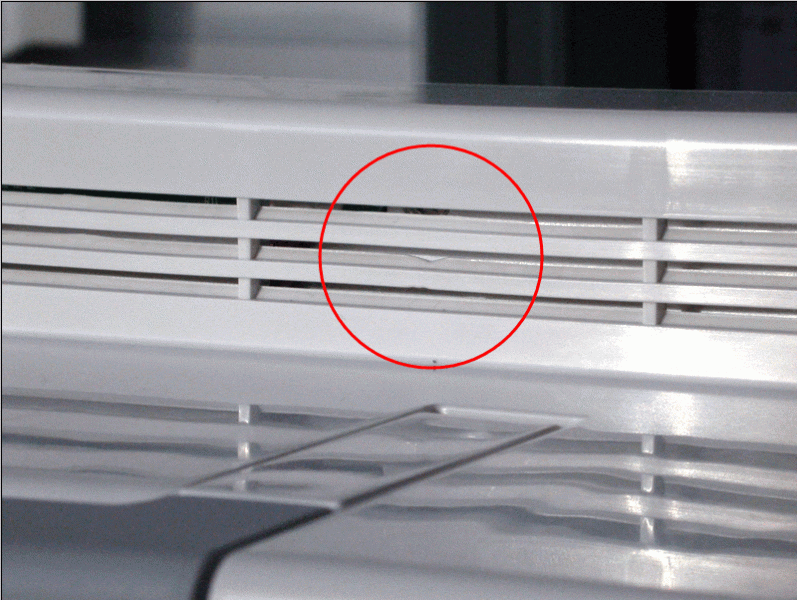
Plastics consultant Mark Rosen looks at how efforts to save money in part development are often counter-productive.
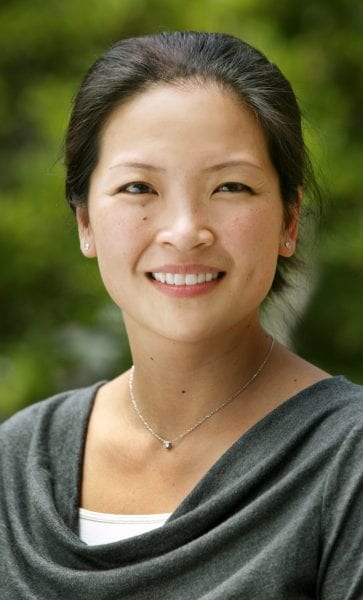
Lynn Loo of Princeton University joins the editorial advisory board of Advanced Materials from 2013.
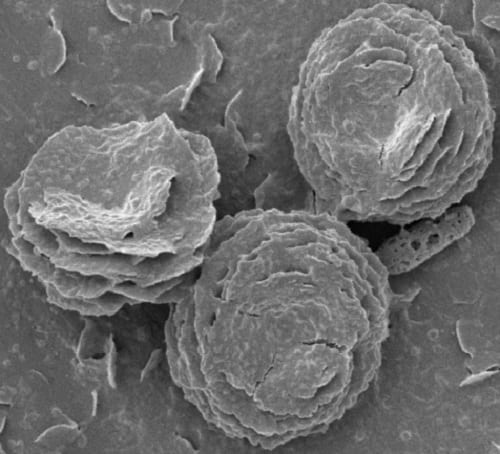
Amylose inclusion complexes show highly appealing self-organization behavior.
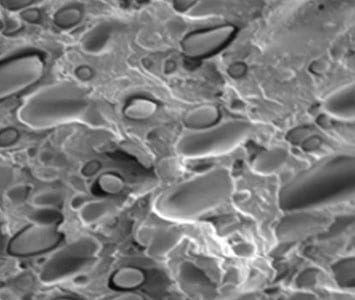
Bioplastics have often poor mechanical properties. Adding a small amount of traditional petroleum plastics solves the problem.
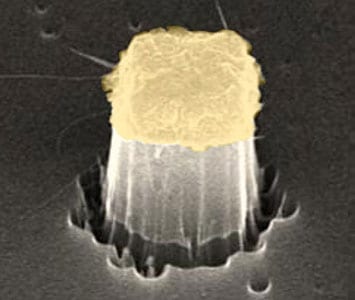
Ultraclean carbon nanotubes hold promise for advances in optical fiber communications, solar cells and LEDs.
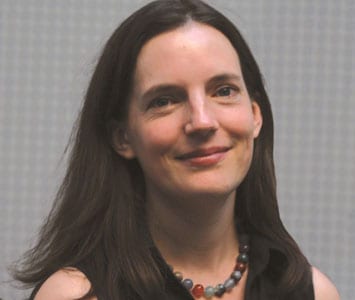
Professor Molly Stevens has become a recognised role model in science. She has won award after award and built a large and successful research group at Imperial College London.
 New theory suggests gravity is not a fundamental force
 Higgs boson may be driving the Universe’s expansion
 Water-powered gadgets may be on the horizon thanks to new evaporation-based energy device
 Scientists discover a new class of antibiotics
 Micron-sized hidden dimensions could solve two of physics’ deepest puzzles
 A new type of dark matter could explain mysterious radiation from the Milky Way’s core