If your engine has more than 16 atoms, you’re just wasting space.


If your engine has more than 16 atoms, you’re just wasting space.

Taking a look at the past, present, and future of combinatorial chemistry in materials research.

X‐ray absorption spectroscopy represents a valuable characterization tool for complex materials like multialkali antimonides.
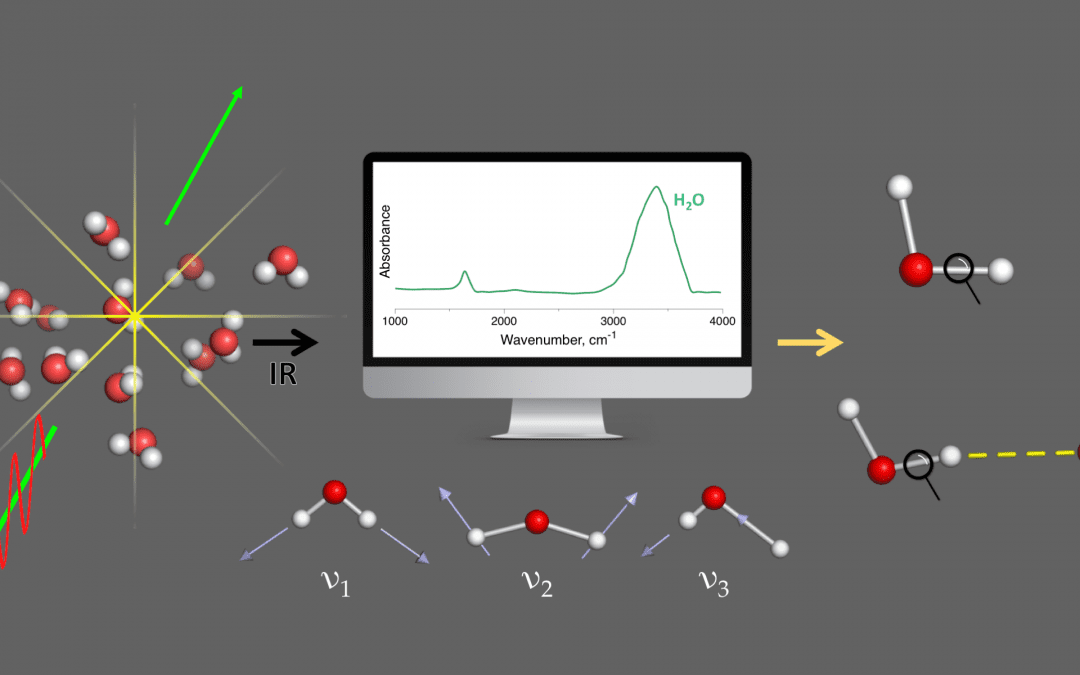
The local vibrational mode theory has raised vibrational spectroscopy to a new level.

A group of researchers from Freiburg present a new tandem solar cell to break through current theoretical limits..

An unexpected link between two entirely different fields of physics.

Scientists have developed a method for precise, fast, and high-quality laser processing of halide perovskites, promising light-emitting materials for solar energy, optical electronics, and metamaterials.

Near-infrared sensors and displays developed based on the maximized efficiency of optical wavelength conversion.
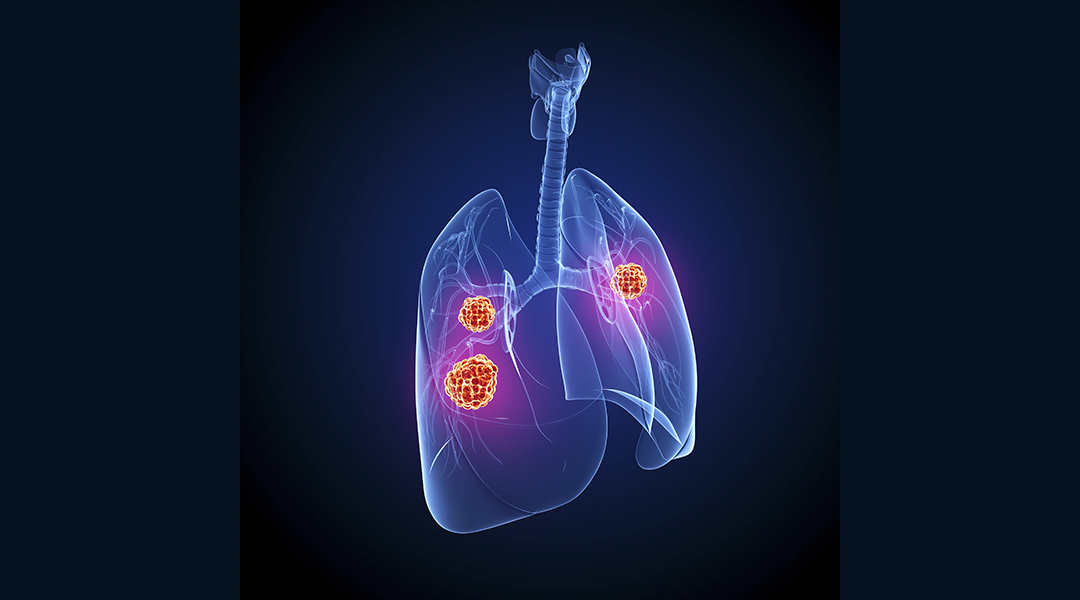
A new class of biocompatible protein-based nanoparticles that have outstanding near-infrared emission for deep tissue imaging.
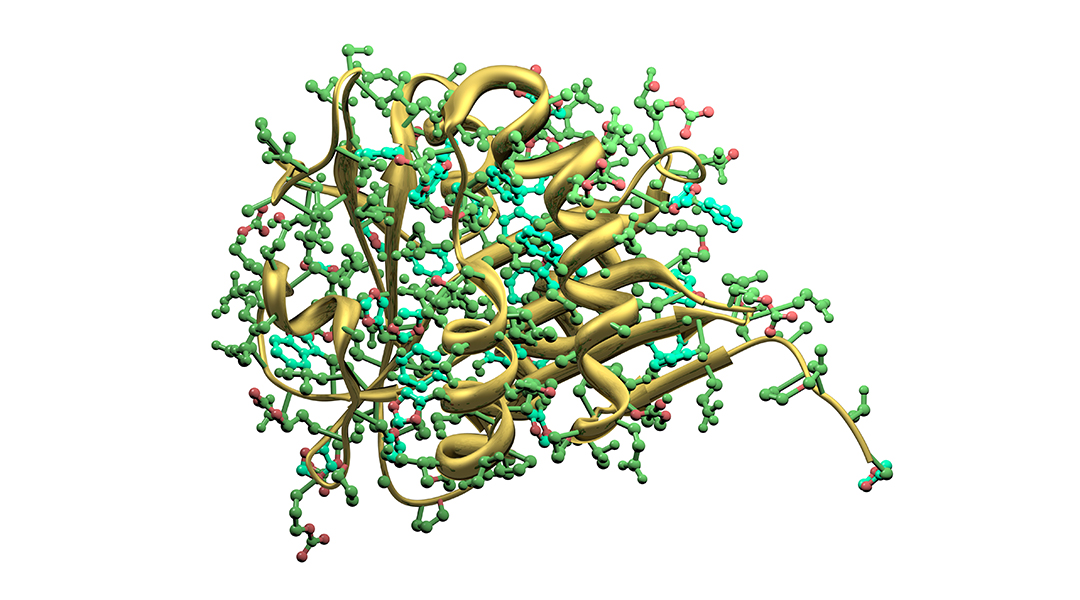
Artificial enzymes promise to not only help us understand the complex functioning of enzymes, but will create a new generation of biosystems for sustainable chemistry practices.

 Micron-sized hidden dimensions could solve two of physics’ deepest puzzles
 Turning Periods into Power: Menstrual Blood a Valuable Resource for Medical Diagnostics
 Immune resilience gene signature could hold the key to healthy aging
 Surfactants Steer Supraparticle Structure
 Bone loss in obesity traced to gut microbiota
 Edible electronics realize safe, complex monitoring devices