A physiologically relevant 3D model to investigate several key aspects of blood–brain barrier dysfunction in Alzheimer’s disease and provide a standardized platform for drug screening.
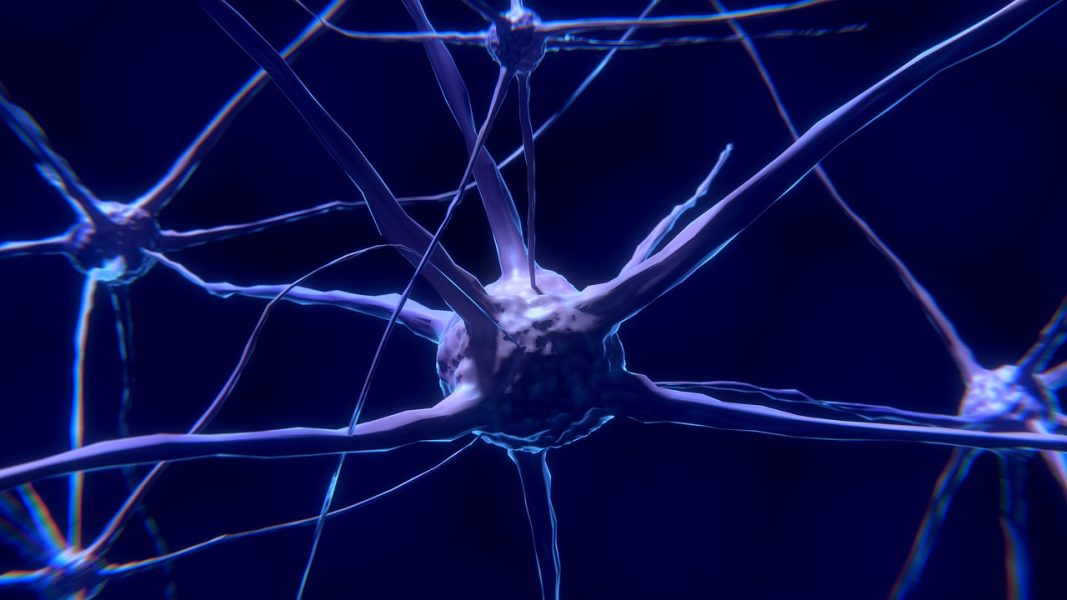

A physiologically relevant 3D model to investigate several key aspects of blood–brain barrier dysfunction in Alzheimer’s disease and provide a standardized platform for drug screening.

Relocating is a common experience for many young scientists. Researchers can broaden their scientific expertise, discuss new ideas, and create meaningful relationships and collaborations by moving abroad. Tracking the movement of early-stage academic researchers...

Diagnosing Ebola early is essential for improving survival rates and controlling the spread of the disease.

Scientists measured nanoscale structural alterations in the brains of mice after chronic corticosterone administration using a novel nanoscale optical imaging technique and gene expression analysis.

Alongside renewables, nuclear power has the potential to make a significant contribution to our sustainable energy goals.

Microplastics are synonymous with risks to health and the environment, but how much of this concern is actually justified?

Chinese scientists developed ultrasensitive organic phototransistors suitable for applications in flexible and wearable optoelectronic devices.

Carbon dioxide has been labelled as the main culprit driving global warming, but is now improving its reputation as an environmentally friendly refrigerant.
Brain organoids model normal human brain development and can be used to answer questions related to development, evolution, and disease.

Researchers apply optical coherence microscopy to create in vivo images of the preimplantation developmental process in mice.
 New theory suggests gravity is not a fundamental force
 Higgs boson may be driving the Universe’s expansion
 Water-powered gadgets may be on the horizon thanks to new evaporation-based energy device
 Scientists discover a new class of antibiotics
 Micron-sized hidden dimensions could solve two of physics’ deepest puzzles
 A new type of dark matter could explain mysterious radiation from the Milky Way’s core