To create a flu vaccine that doesn’t require annual tweaking, researchers develop a nanovaccine that uses an inverted hemagglutinin protein.
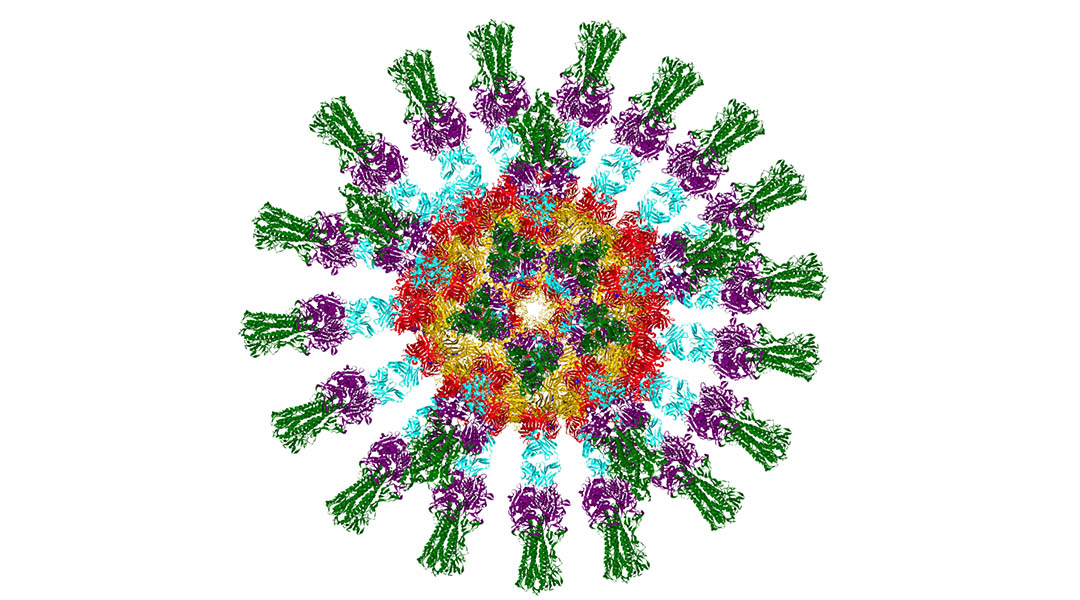

To create a flu vaccine that doesn’t require annual tweaking, researchers develop a nanovaccine that uses an inverted hemagglutinin protein.
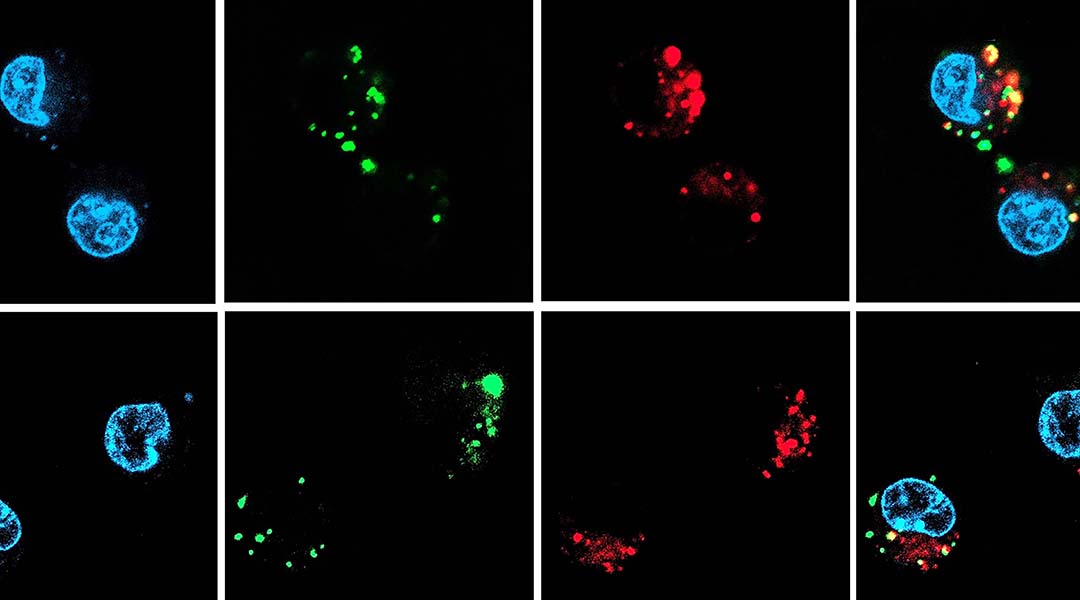
Drugs based on nucleic acids are easily degradable and tough to deliver, but a way around this is to coat them in protective carrier.

The genetic variant that causes Gaucher disease may have helped breakdown tuberculosis-causing bacteria in cells through lipid buildup.
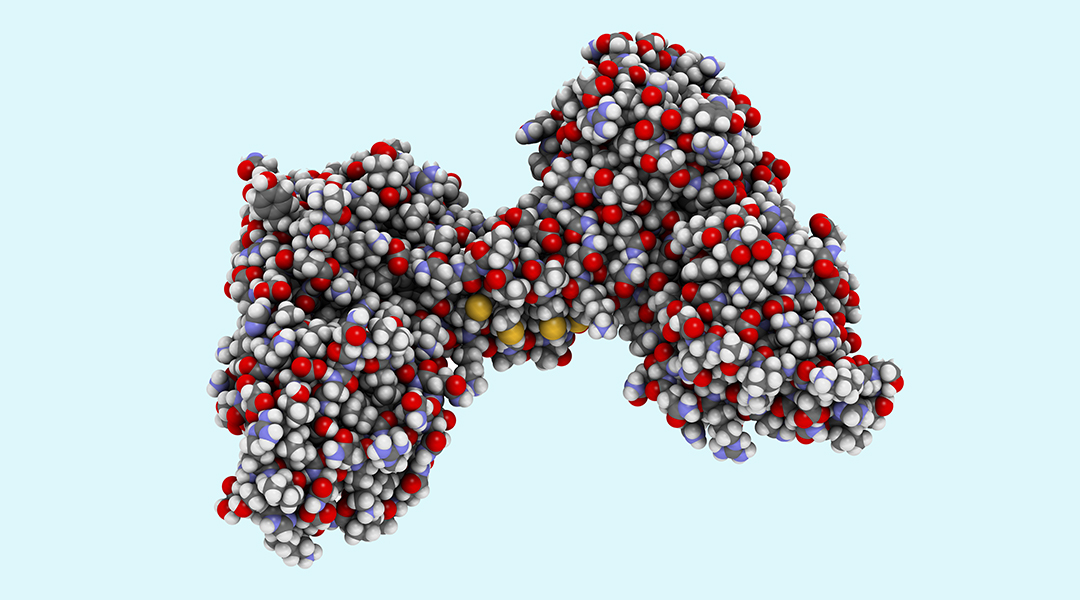
Important findings from an animal study have prompted the exploration of a gene therapy for Duchenne muscular dystrophy in an ongoing human trial.
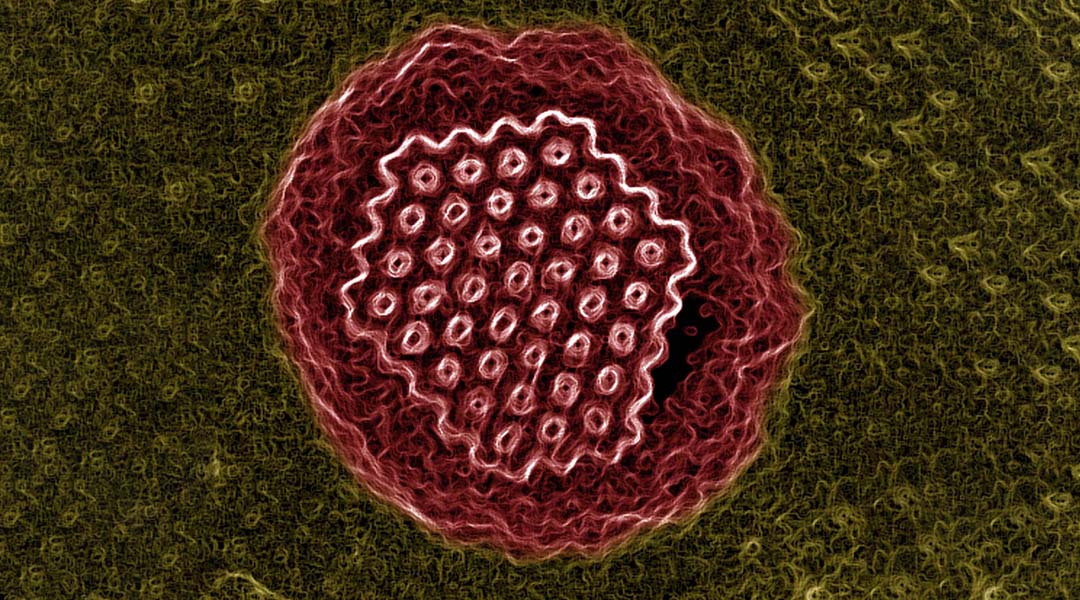
How seven ancient viruses ranging in age from 27,000 to 48,500 years were recovered from the Siberian permafrost, and what researchers hope to learn from them.
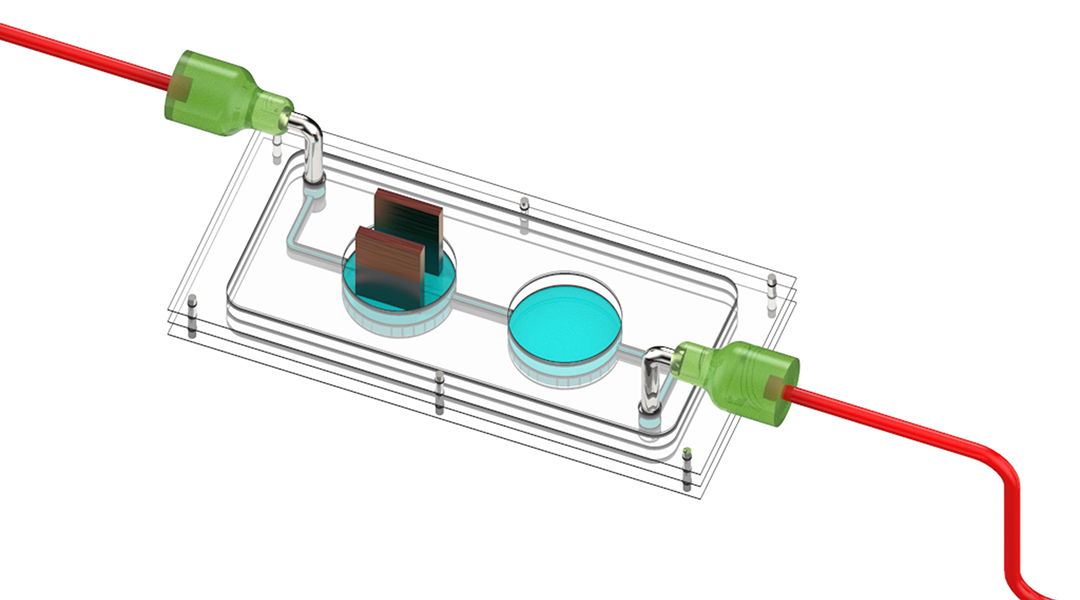
The device provides a powerful tool for studying and treating diabetes, allowing personalized modelling by using patients’ own cells.
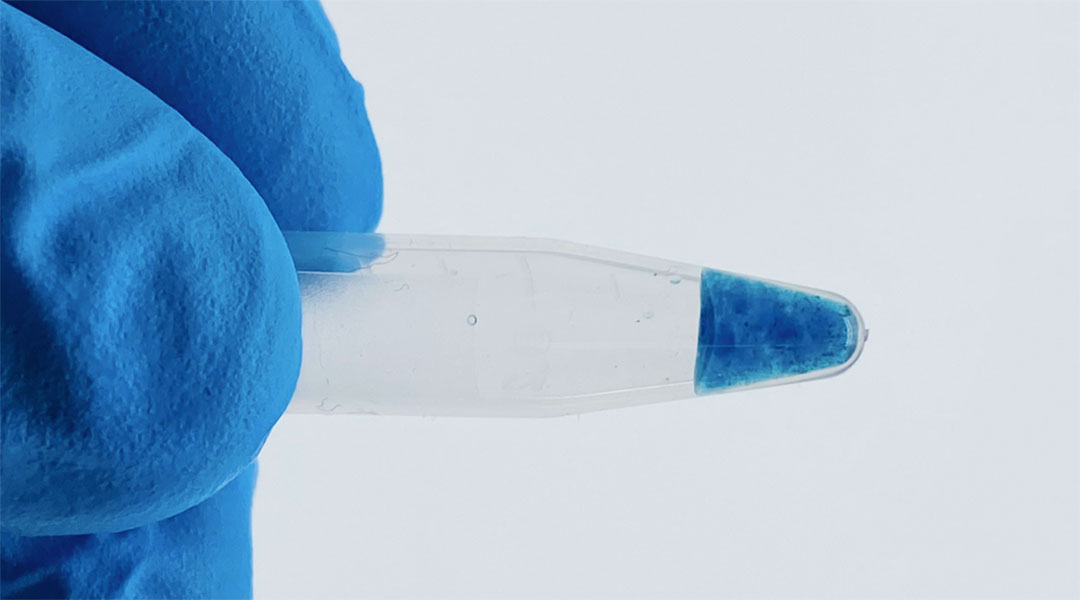
A new hydrogel platform helps monitor chemotherapies in the body in real-time, allowing their side effects and potency to be better understood.
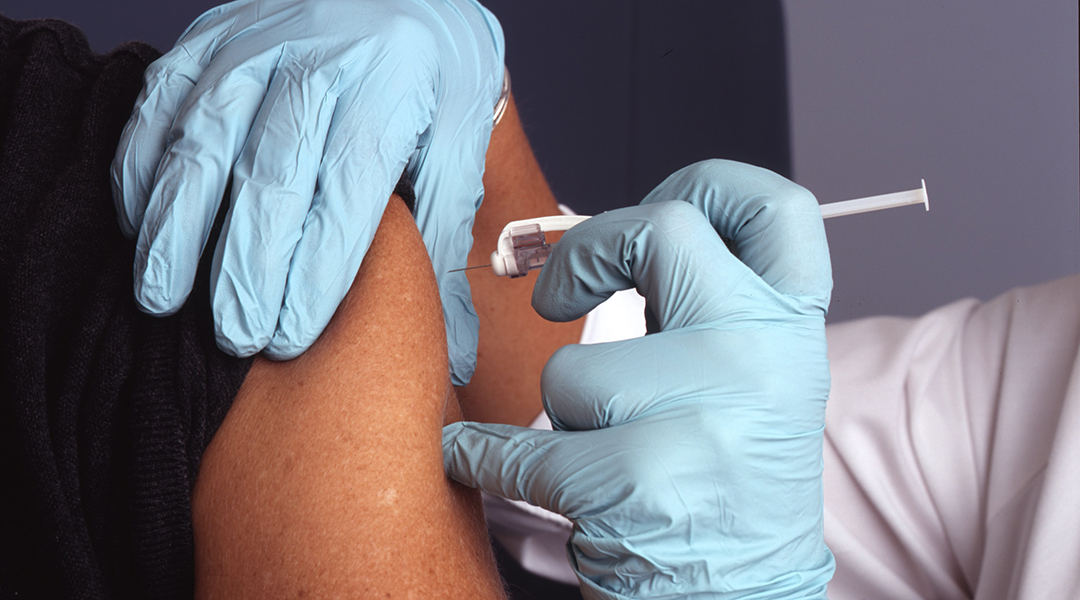
A rare type of antibody found in some individuals could help develop an HIV vaccine to target highly diverse viral strains.
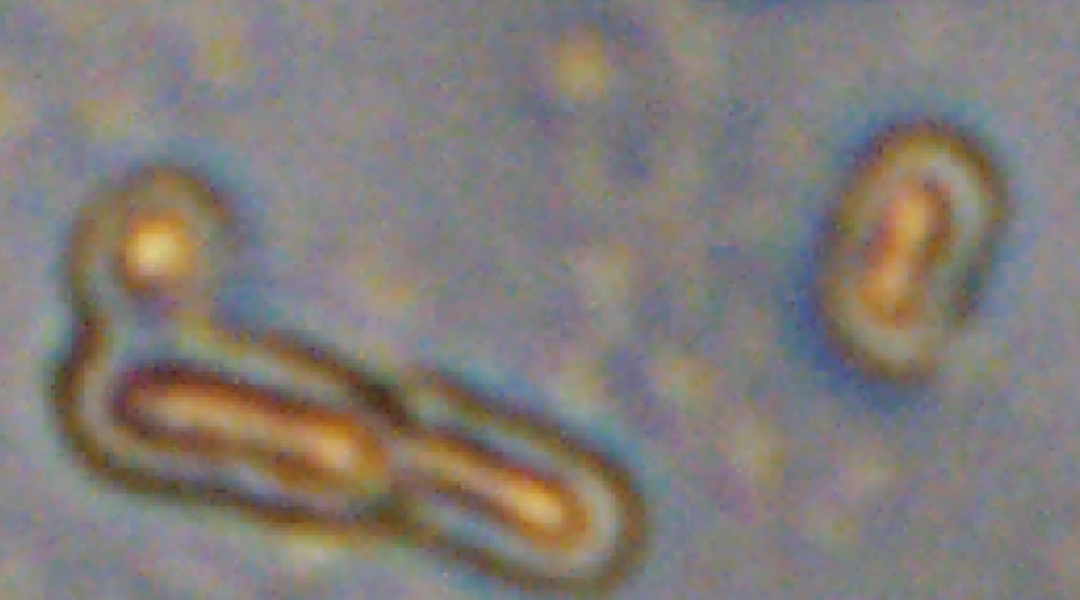
Implants containing cyanobacteria help produce oxygen within heart tissue to repair damage done after a heart attack.
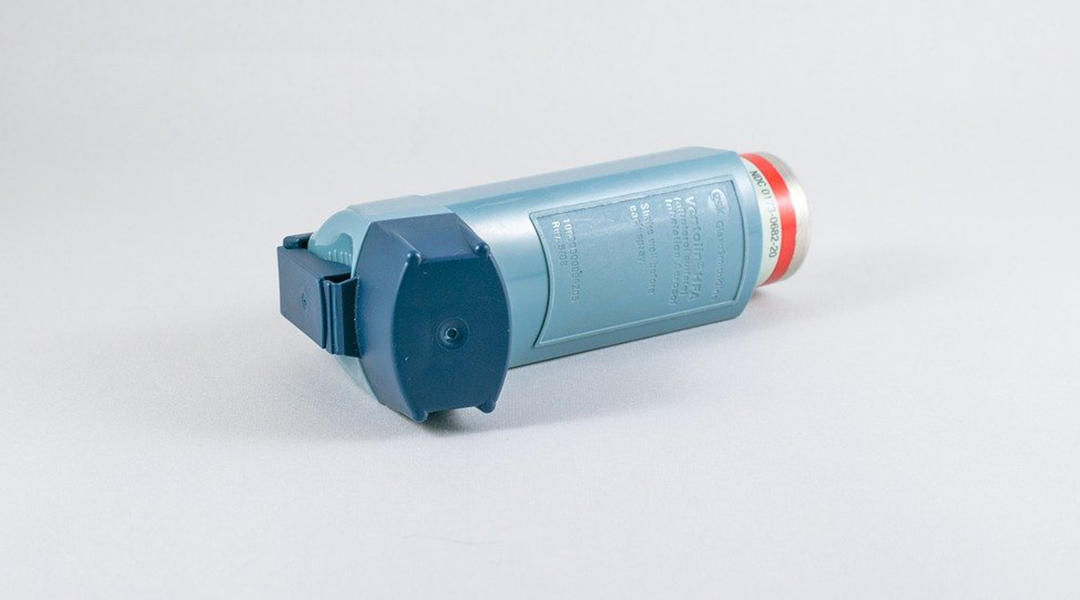
Analyzing patients’ urine samples allowed researchers to identify a biomolecule which could one day lead to developing a cure for asthma.
 New theory suggests gravity is not a fundamental force
 Higgs boson may be driving the Universe’s expansion
 Water-powered gadgets may be on the horizon thanks to new evaporation-based energy device
 Scientists discover a new class of antibiotics
 Micron-sized hidden dimensions could solve two of physics’ deepest puzzles
 A new type of dark matter could explain mysterious radiation from the Milky Way’s core