A new material helps robots analyze and navigate their environments by scanning codes invisible to the human eye.
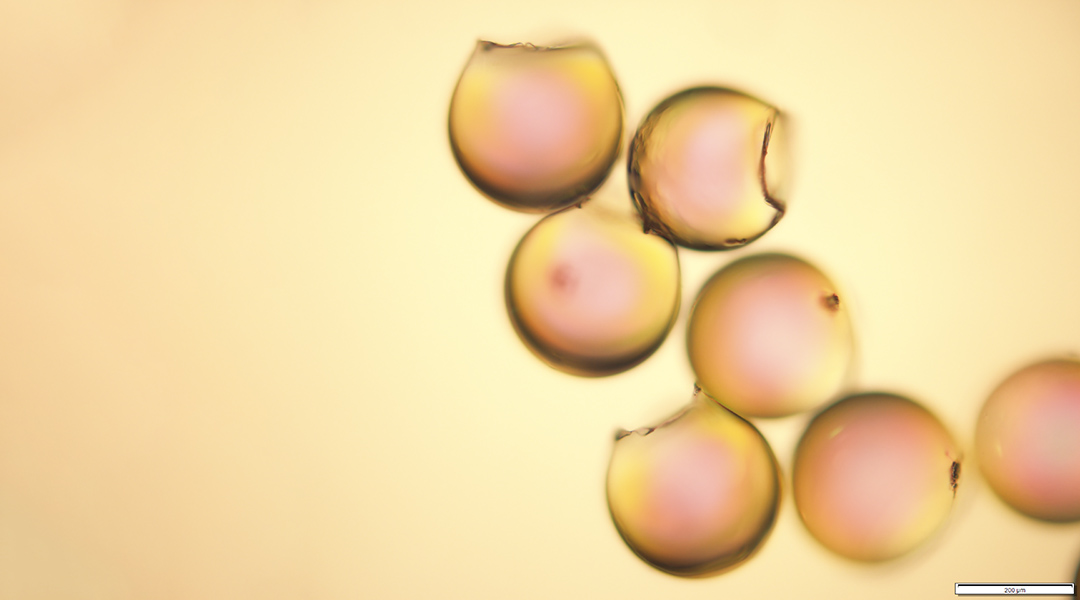

A new material helps robots analyze and navigate their environments by scanning codes invisible to the human eye.
First and foremost, the goal is to keep people out of hospitals. The good news is all of the currently approved vaccines do just that.

From astronauts to programmers and medical researchers fighting the COVID-19 pandemic, these women are pushing boundaries in STEM.
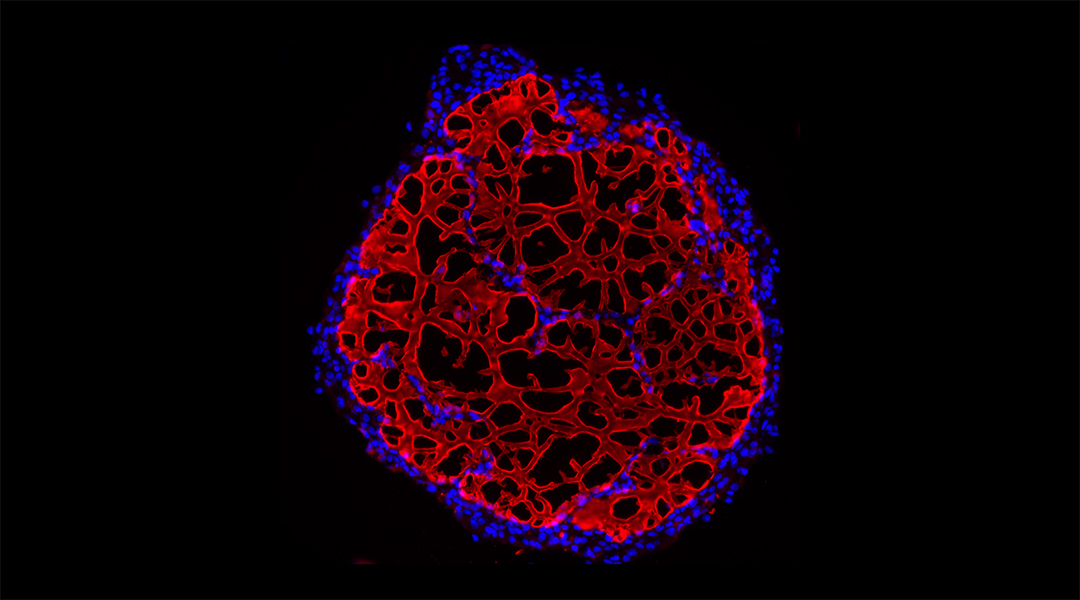
From patchwork liquid marbles, artificial nerve grafts, and giant perovskites, this gallery features a host of incredible images, bringing life to the research behind them.
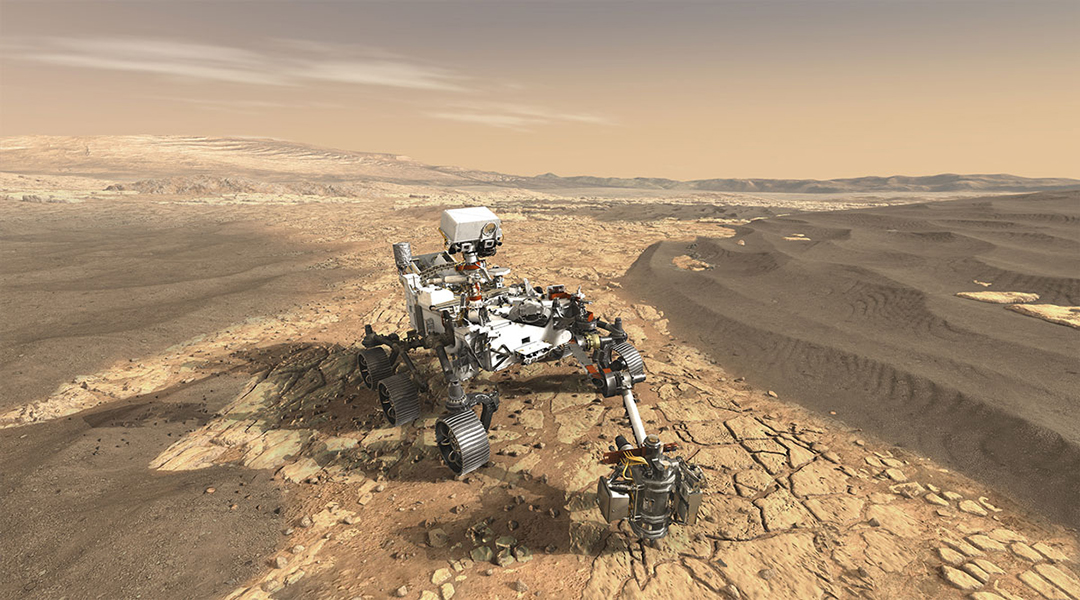
The Perseverance rover will explore the Martian Jezero Crater and collect the first rock samples from the Red Planet.

Following the tireless efforts of researchers and scholars, name change policies are becoming more prominent among scientific publishers, sparking hope for meaningful change.
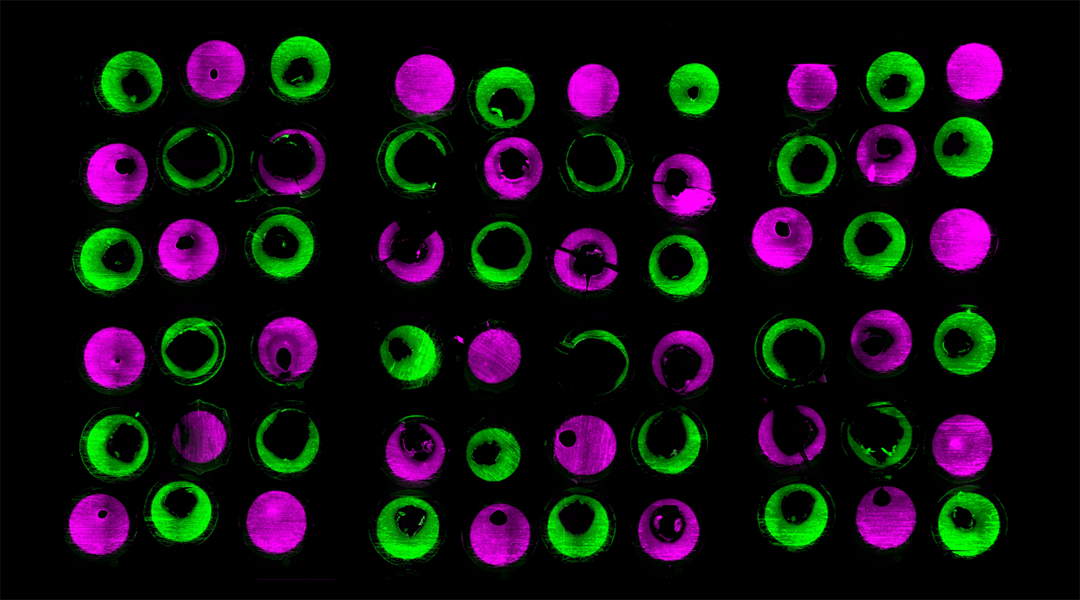
From micrometer-sized nanoflowers to hydrogel hearts, this edition of “This month in pictures” features more intriguing images from our journals and the science behind them.

The chemistry of carbon dioxide may not save the human race on Earth, but could enable a new beginning for life on the red planet.
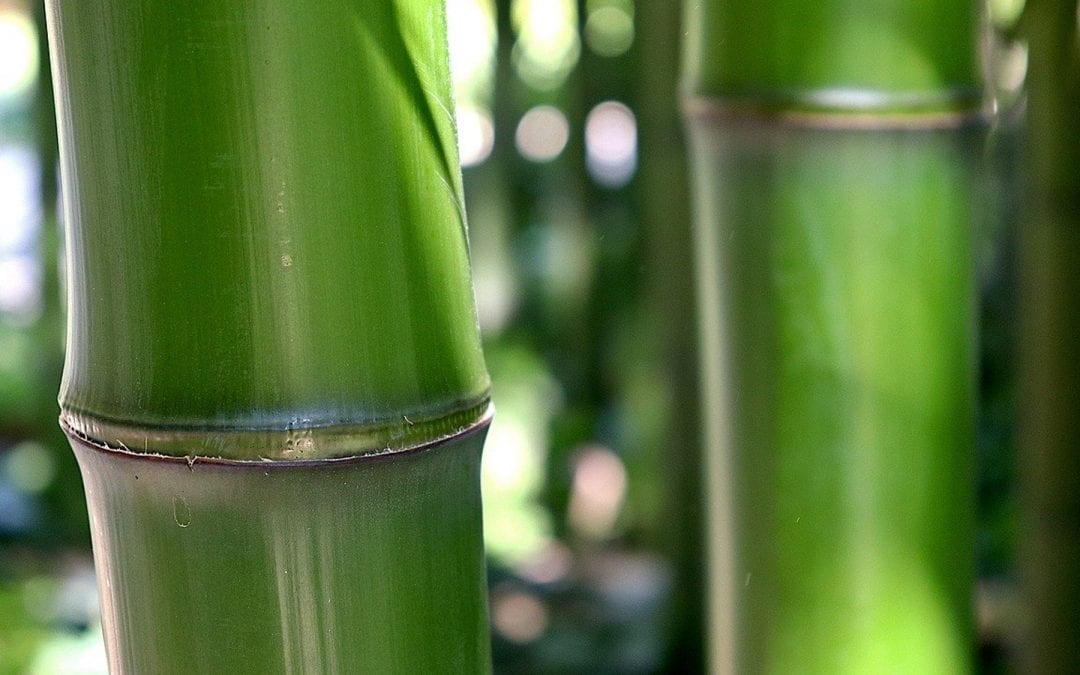
Lightweight but tough, bamboo is the hope for a more sustainable life and future for our planet.
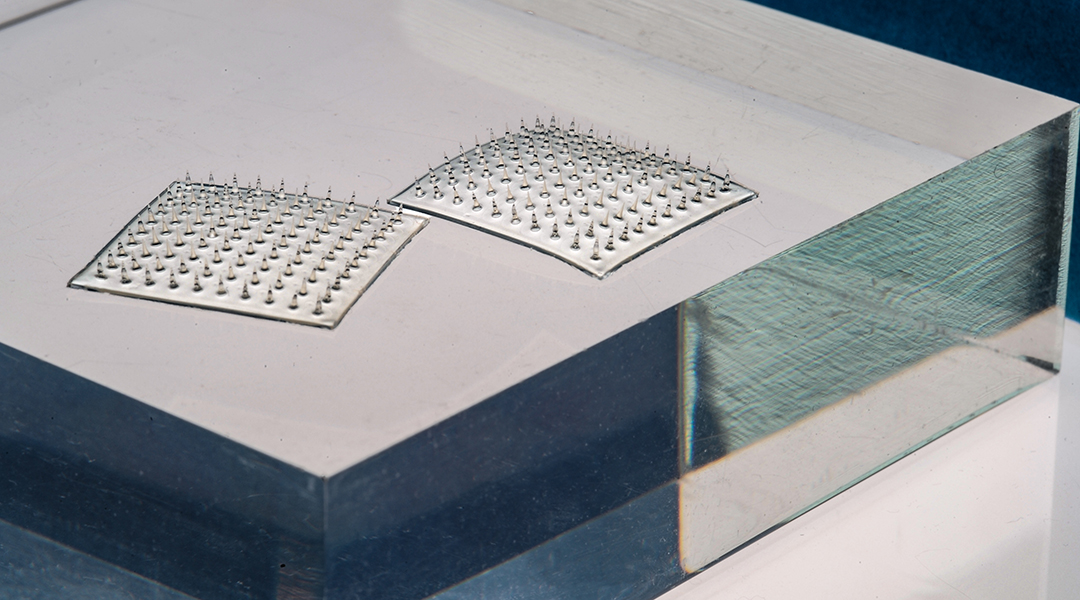
Food-safe microneedles incorporated into a new smart label can effectively collect samples from packaged food and inform consumers about its quality in real time.
 New theory suggests gravity is not a fundamental force
 Higgs boson may be driving the Universe’s expansion
 Water-powered gadgets may be on the horizon thanks to new evaporation-based energy device
 Scientists discover a new class of antibiotics
 Micron-sized hidden dimensions could solve two of physics’ deepest puzzles
 Turning Periods into Power: Menstrual Blood a Valuable Resource for Medical Diagnostics