A scalable method to produce polymer nanofibers in a variety of different morphologies is presented.
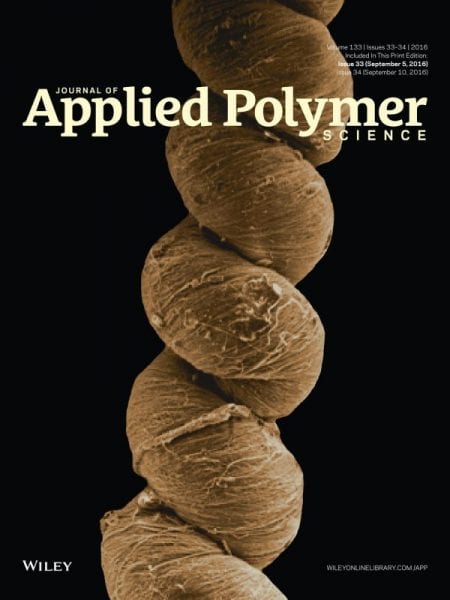

A scalable method to produce polymer nanofibers in a variety of different morphologies is presented.
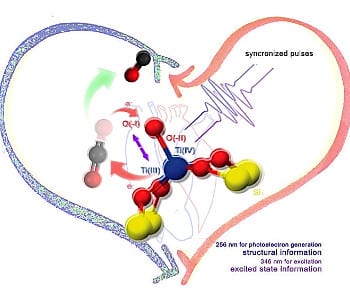
4D ultra-fast electron microscopy can peer into and peel away the most subtle details and beauty of photocatalysis, providing a new sharp focus realism of human-made nano machinery for the solar powered fixation of CO2 to fuels and chemical feedstocks.
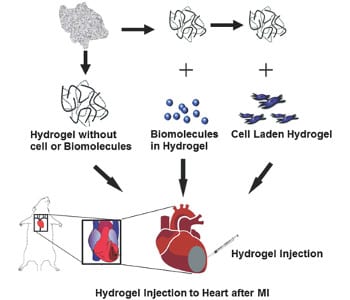
In a review by researchers at Harvard Medical School, MIT and the American University of Beirut, recent developments in injectable hydrogels for cardiac tissue repair are highlighted.
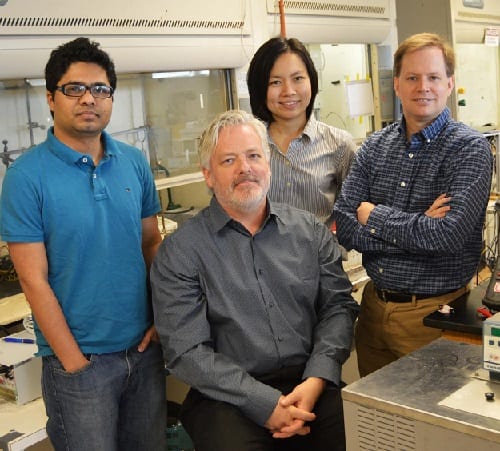
Researchers have proven that concentrated light, heat and high pressures can drive the one-step conversion of CO2 and water into liquid hydrocarbon fuels.
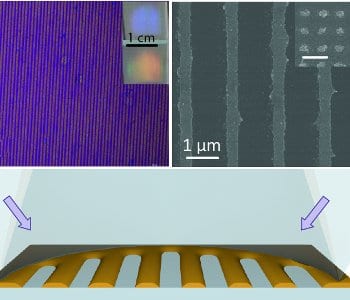
Researchers in Troyes, France have developed a cheap and efficient method of direct patterning ZnO films, using laser interferential lithography to selectively remove ZnO in well-controlled patterns, without the use of a photoresist.
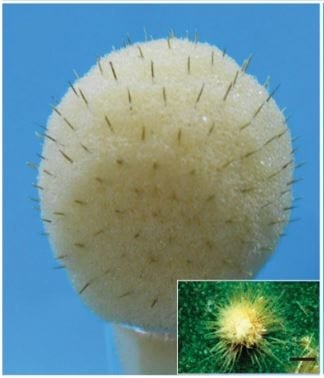
Artificial cactus spines, which can collect fog from the air, have been constructed by a research group from Beihang University. This water-harvesting method is of great interest in a world where water is becoming more scarce.
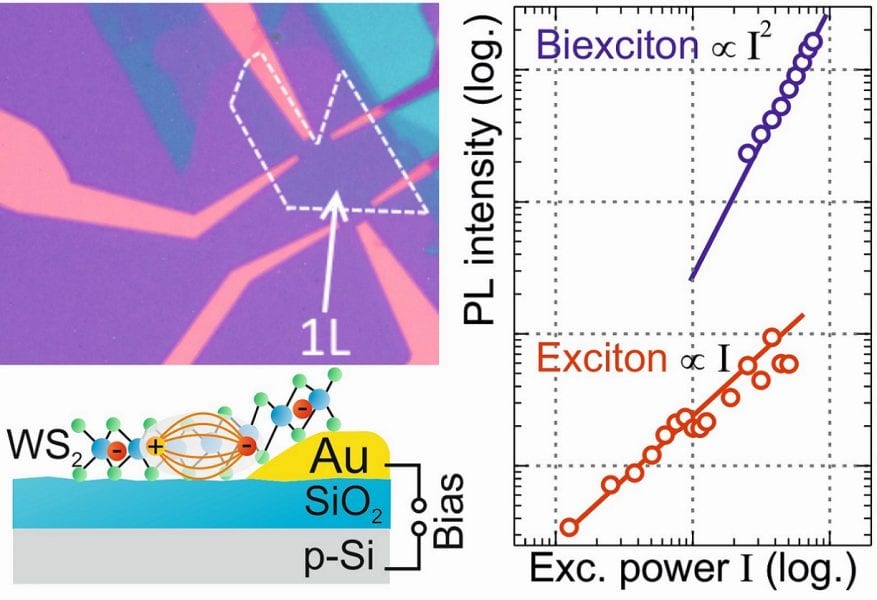
A group of scientists at the University of Regensburg have studied the photoluminescence of gated monolayer WS2 flakes and identified the biexciton emission
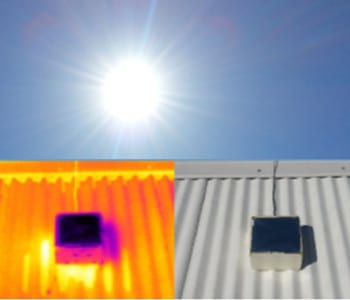
Researchers at the University of Technology in Sydney have developed a new material that can keep roofs cooler than the air above them, even in direct sunlight.
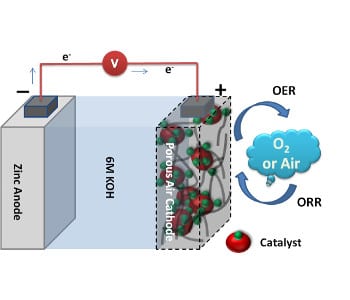
A*STAR researchers develop batteries with enhanced performance and lower resistance, improved charge-discharge profile, and notable cycling stability.
Researchers reveal synergistic lubricating effects between phosphonium-alkylphosphate ionic liquids and a classic anti-wear additive.
 New theory suggests gravity is not a fundamental force
 Higgs boson may be driving the Universe’s expansion
 Water-powered gadgets may be on the horizon thanks to new evaporation-based energy device
 Scientists discover a new class of antibiotics
 Micron-sized hidden dimensions could solve two of physics’ deepest puzzles
 Turning Periods into Power: Menstrual Blood a Valuable Resource for Medical Diagnostics