A new layer-by-layer fabrication process allows researchers to create new and improved soft robot actuators with variable degrees of stiffness.
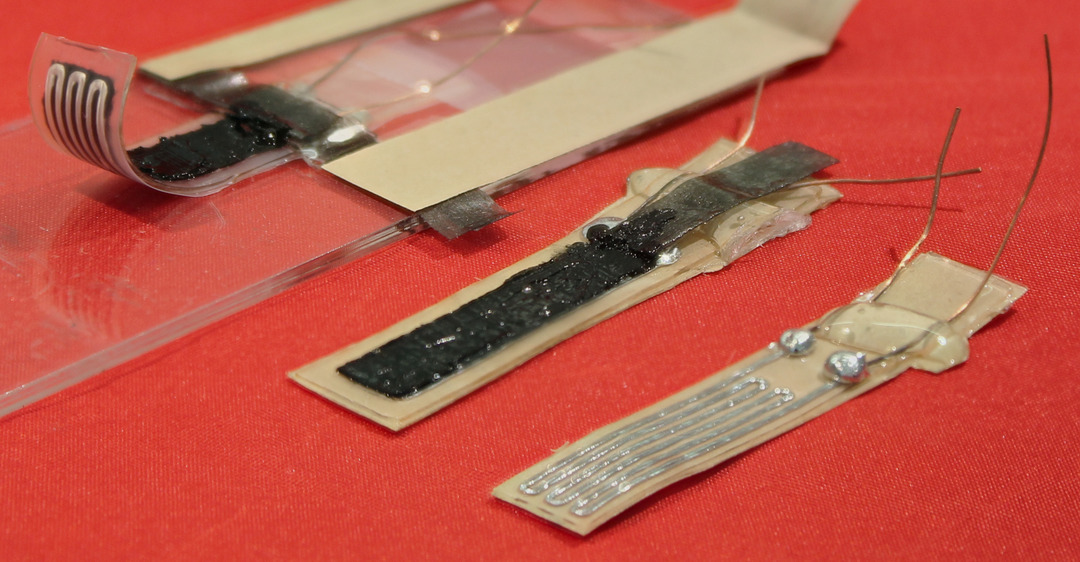

A new layer-by-layer fabrication process allows researchers to create new and improved soft robot actuators with variable degrees of stiffness.
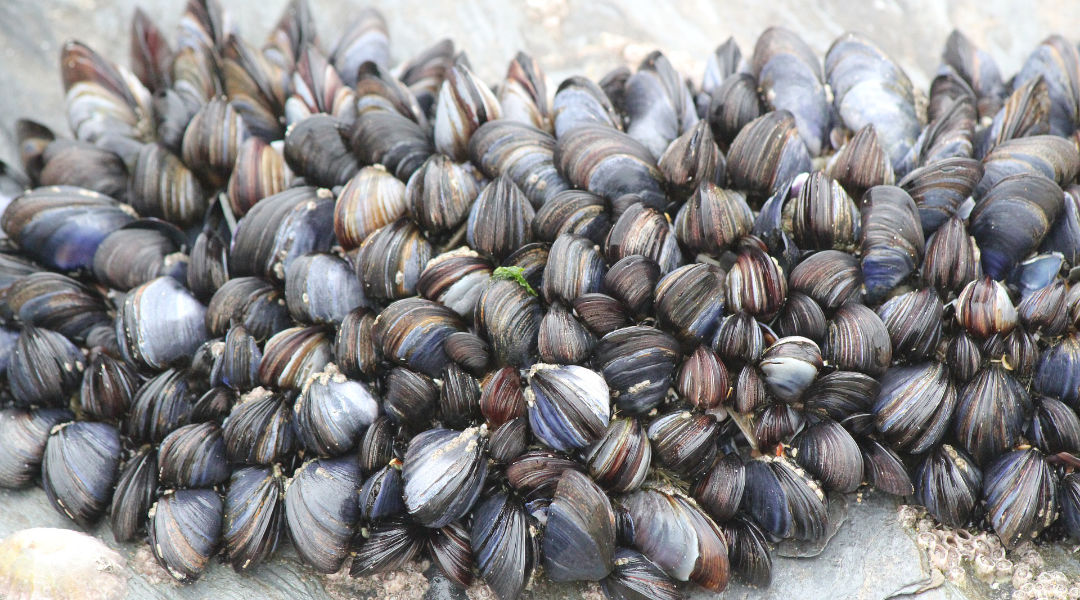
Scientists design a stretchable, adhesive, self-healing material that can change color as a result of movement for real-time motion sensors.

Celebrating “10 years of Advanced Energy Materials Research,” Tierui Zhang opens up about his scientific career and his rather unique hobby of chemistry stamp collecting.

Researchers design a photo-electrochemical reactor to produce affordable “green” hydrogen.

Both Roman law and Law of the Sea provide precedents for sharing natural resources, and the emerging trend of benefit‐sharing offers multiple and varied possibilities as well.

Hydrogen is a promising sustainable energy source, and exciting steps are being made towards realizing a hydrogen-powered, zero emissions infrastructure.
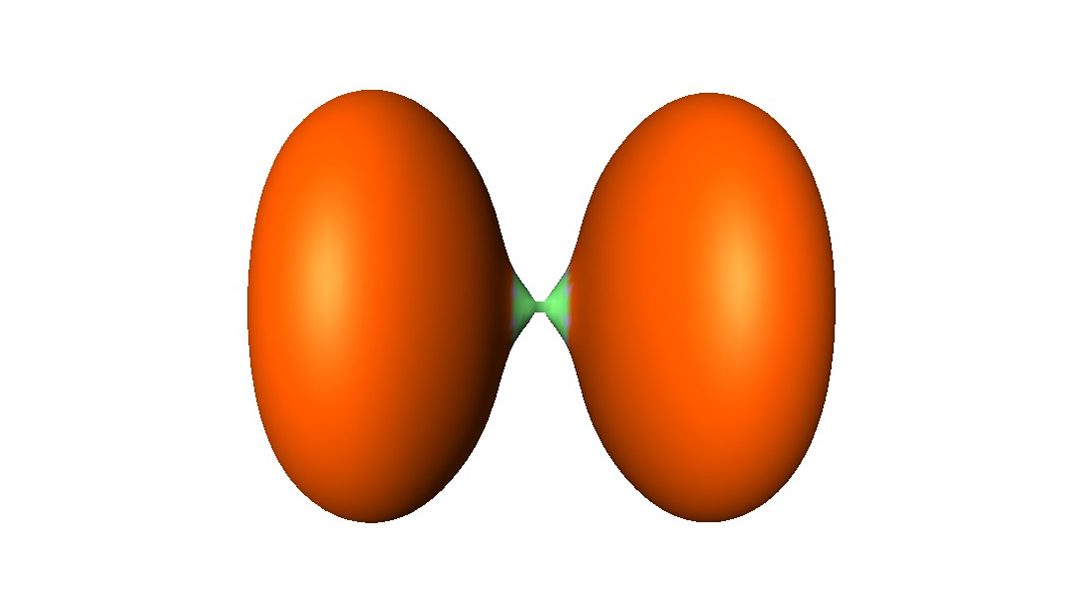
A newly discovered class of fundamental bonding interactions is changing our understanding of chemistry.

Researchers explore an alternative, green supercapacitor concept that relies on seawater and carbon fibers derived from waste cotton.

Developing a battery-free electronic sensor to monitor the forest.

A century on from his groundbreaking paper on polymerization, Advanced Science News takes a look at the life and work of Nobel Laureate, Hermann Staudinger.

 Micron-sized hidden dimensions could solve two of physics’ deepest puzzles
 Turning Periods into Power: Menstrual Blood a Valuable Resource for Medical Diagnostics
 Surfactants Steer Supraparticle Structure
 Bone loss in obesity traced to gut microbiota
 Edible electronics realize safe, complex monitoring devices
 Fermilab Confirms Muon g-2 Measurements