A fundamental challenge in the study of cancer biology is to uncover molecular mechanisms that lead to malignant cellular transformation.
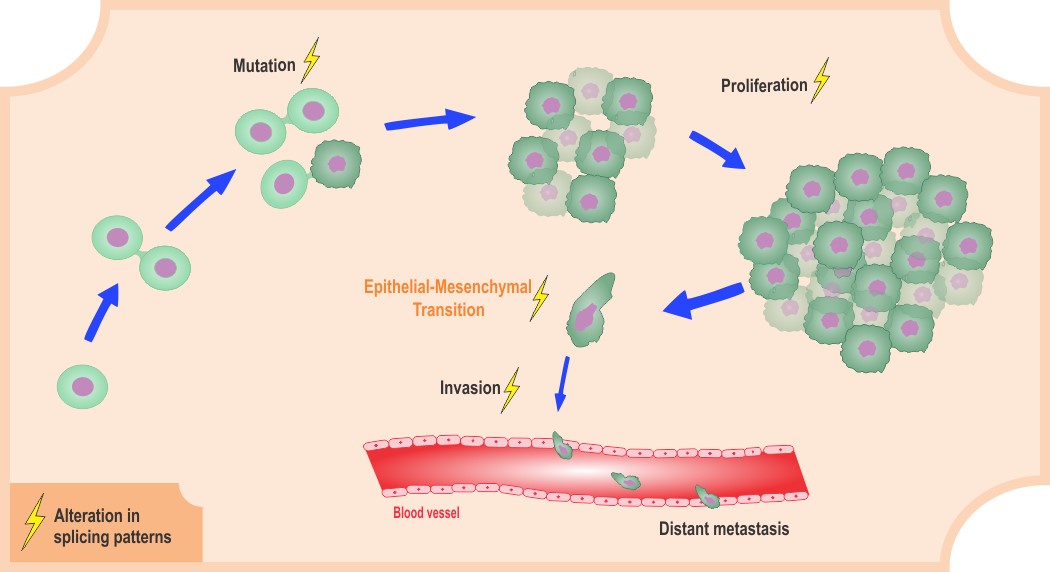

A fundamental challenge in the study of cancer biology is to uncover molecular mechanisms that lead to malignant cellular transformation.

A new process for making biomimetic materials.
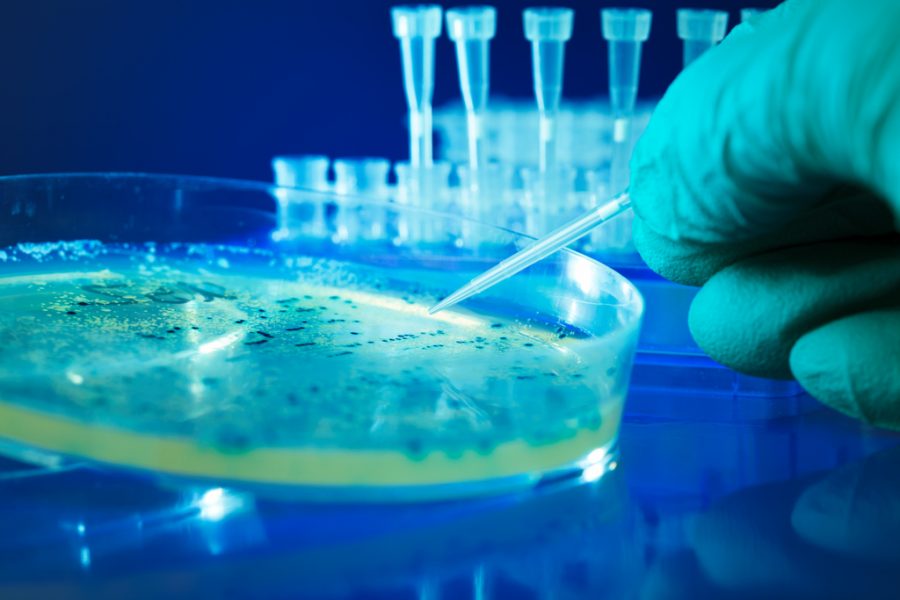
German researchers tested the efficacy of cold atmospheric plasma in the inactivation and removal of infections.
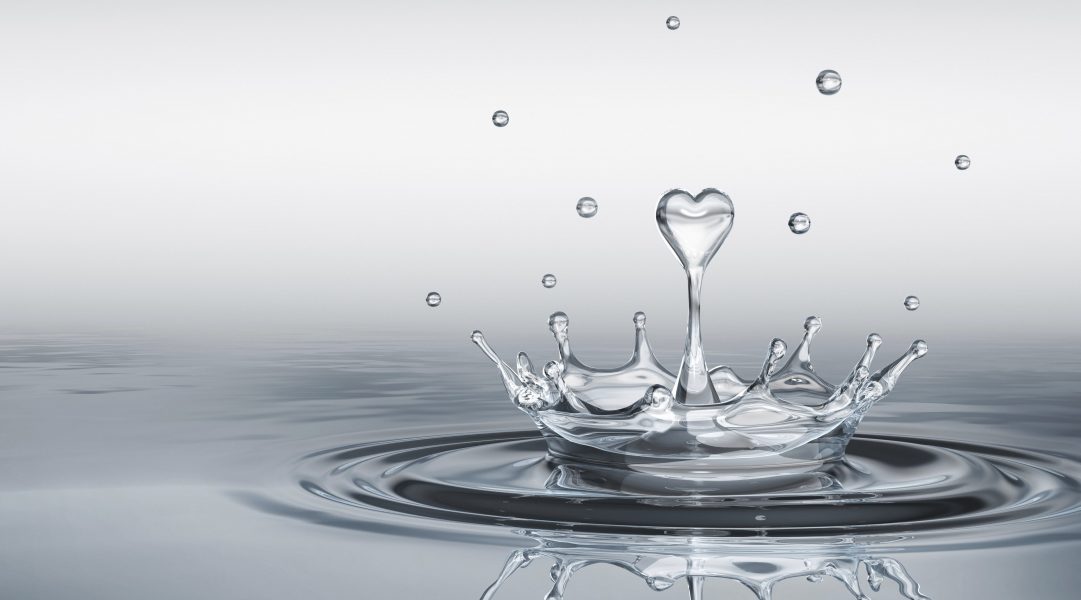
A team of Canadian researchers has shown that direct contact between an AP “cold” oxidizing plasma source and water that contains very high concentrations of cyanobacteria and green algae, along with associated BMAA toxin, could be quite rapidly (in minutes) decontaminated with modest energy input.

Researchers are looking at hydrogel scaffolding with drug-delivery properties to improve skin tissue engineering.
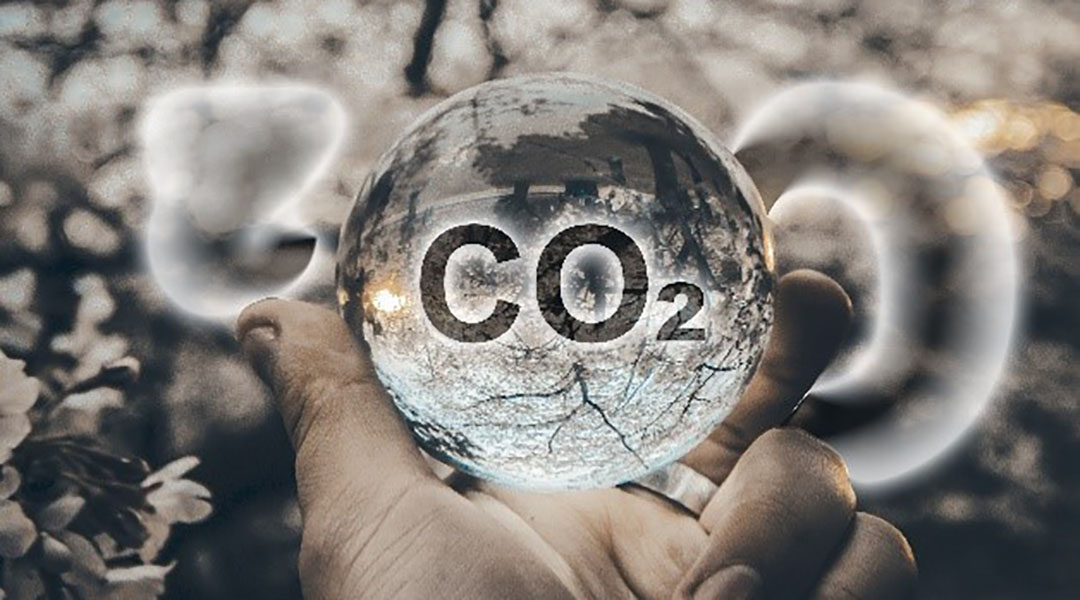
Researchers at the University of Toronto discuss the origins and advances of carbon dioxide photocatalysis.
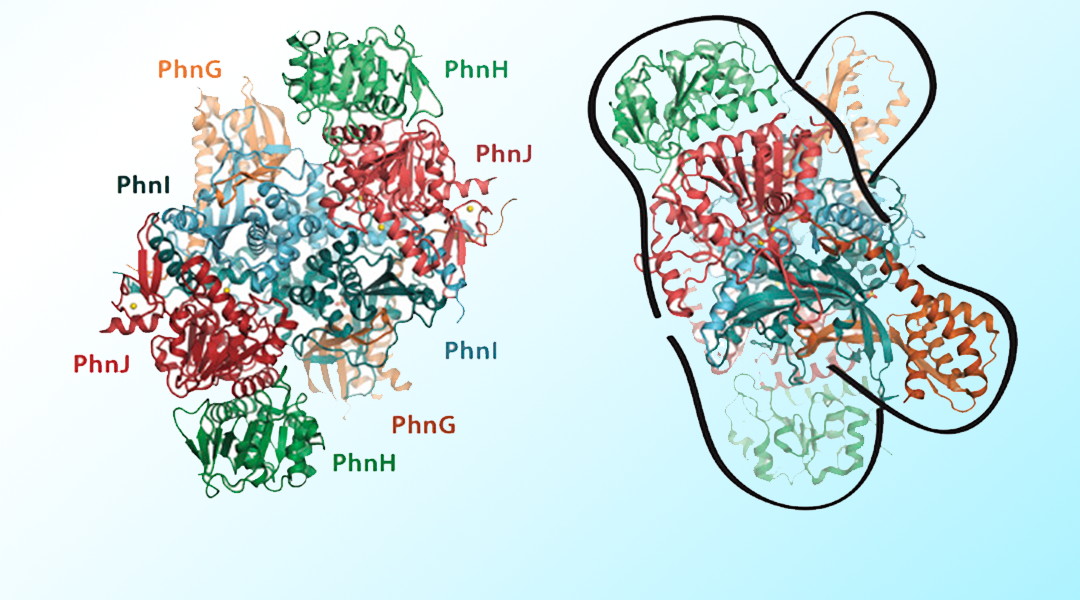
The mechanisms for how bacteria break down phosphonates in order to overcome times of phosphate limitation.

Amoeboid cell microtransporters carry microcargo in an independent, self-organized fashion.
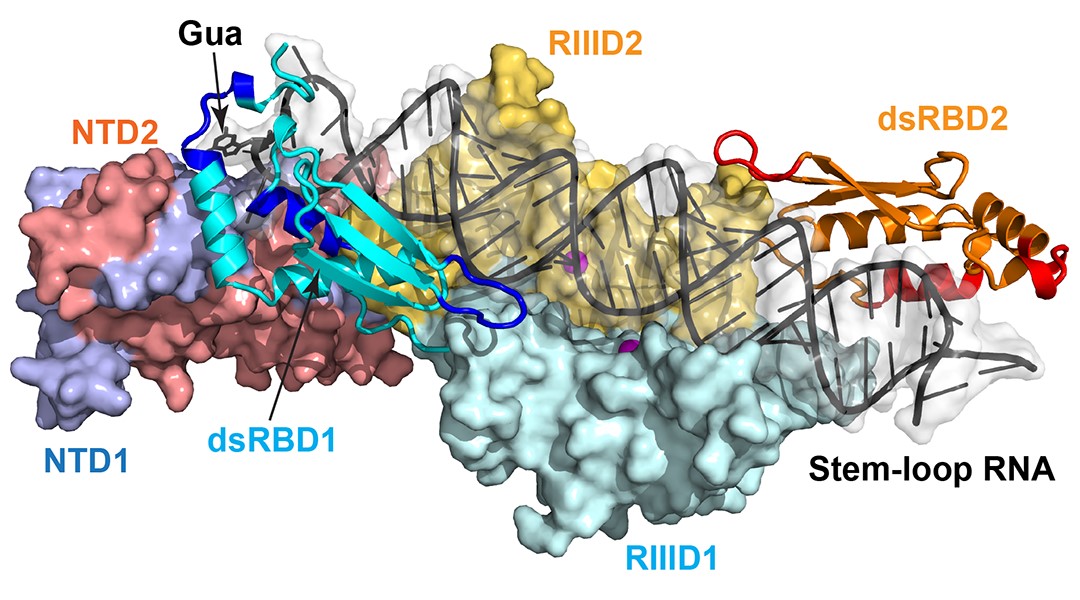
The double‐stranded RNA‐binding protein family controls RNA editing, stability, and function in all eukaryotes.

Spatial and temporal control of drug production is achieved by optogenetical triggering a hydrogel-encapsulated bacterial system.
 New theory suggests gravity is not a fundamental force
 Higgs boson may be driving the Universe’s expansion
 Water-powered gadgets may be on the horizon thanks to new evaporation-based energy device
 Scientists discover a new class of antibiotics
 Micron-sized hidden dimensions could solve two of physics’ deepest puzzles
 A new type of dark matter could explain mysterious radiation from the Milky Way’s core