From patchwork liquid marbles, artificial nerve grafts, and giant perovskites, this gallery features a host of incredible images, bringing life to the research behind them.
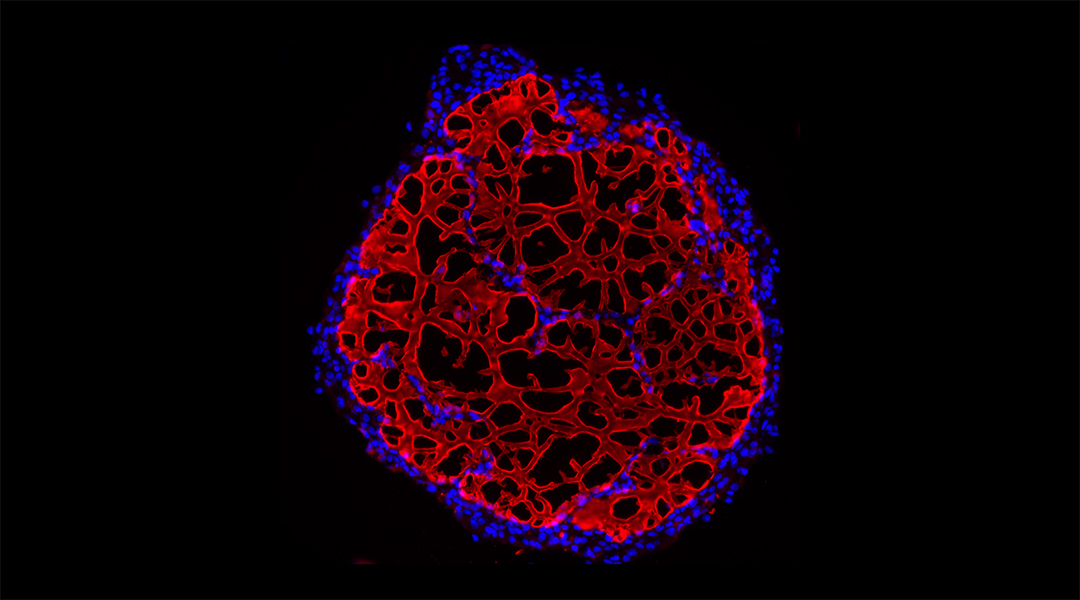

From patchwork liquid marbles, artificial nerve grafts, and giant perovskites, this gallery features a host of incredible images, bringing life to the research behind them.
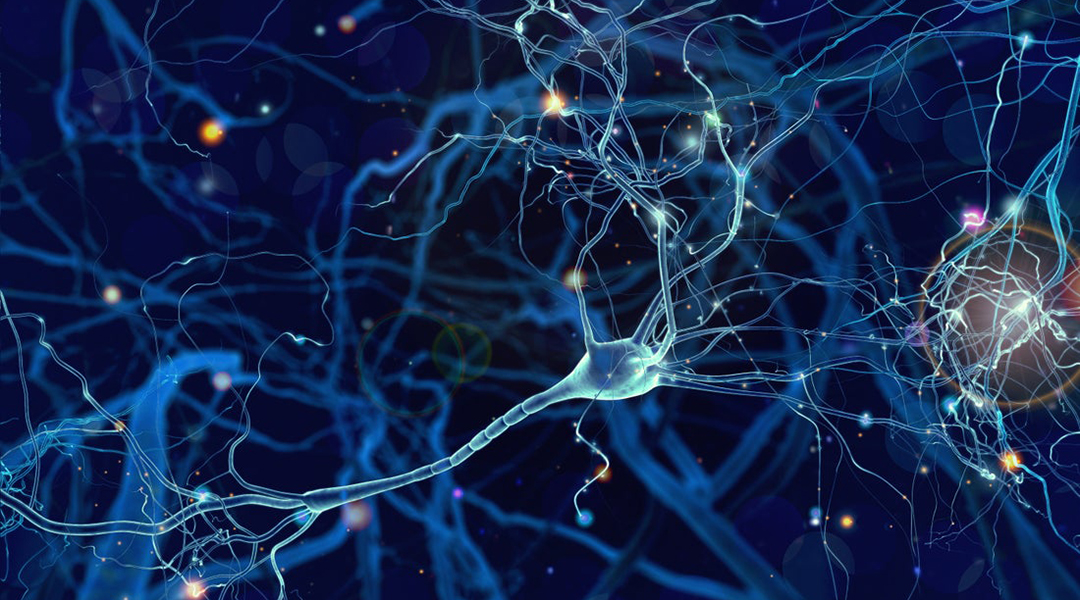
A new study provides hope for Parkinson’s disease, showing that neuron grafts using patients’ own cells have the potential to manage and even reverse symptoms.

The up-and-coming analytical chemist talks social media, engaging the next generation of women in STEM, and her journey through a Ph.D.
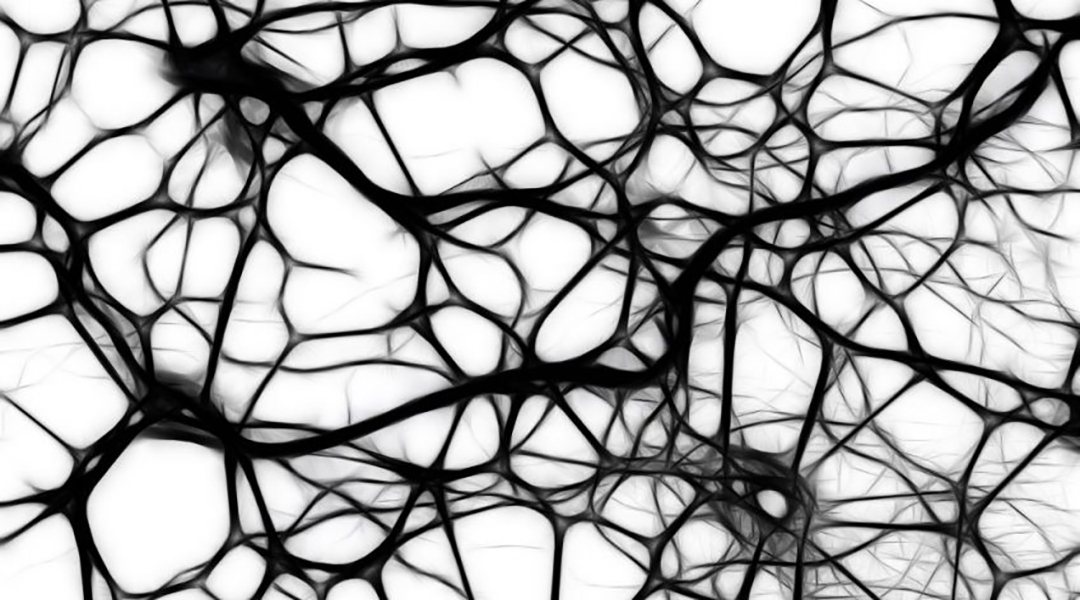
Stem cells are used to model early nervous system development to understand how it is affected by genetic mutations and certain drugs.
Researchers were able to detect a “needle” of highly fragile quantum information in a “haystack” of nuclei.
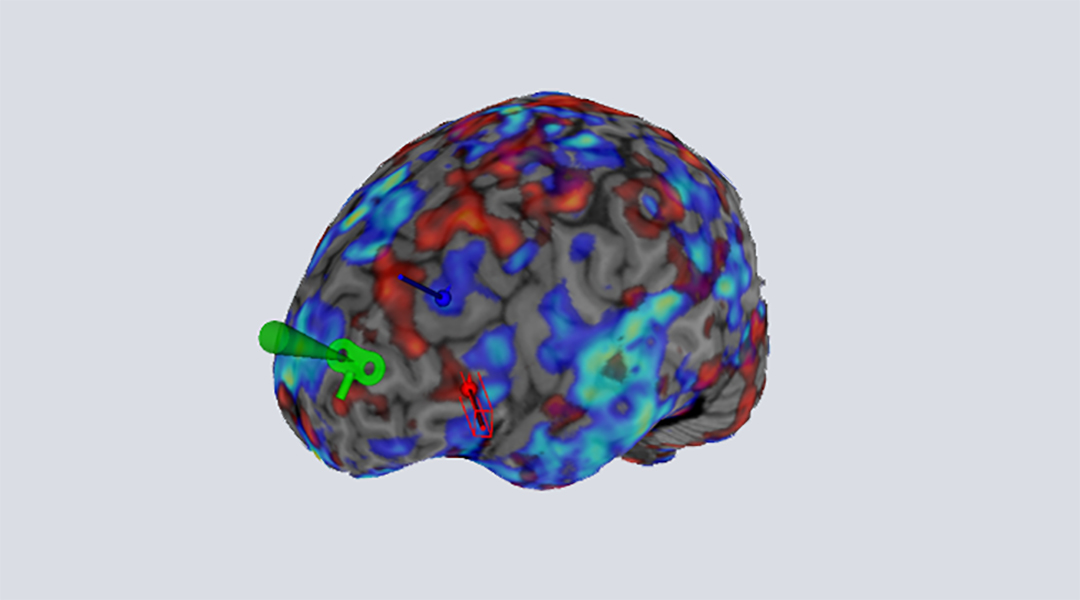
Taking advantage of progress made in neuroimaging, researchers hope that personalized treatments for mental disorders using brain stimulation therapies will be the way forward.
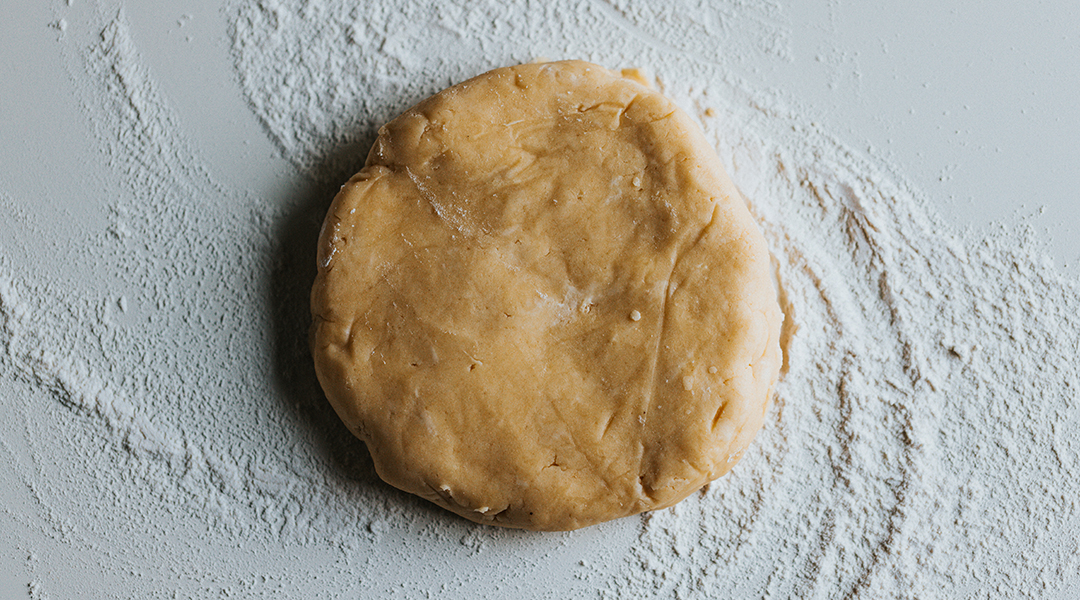
Using a more sophisticated analysis, researchers aim to set better baselines for clinical trials exploring therapeutics for patients with celiac disease.
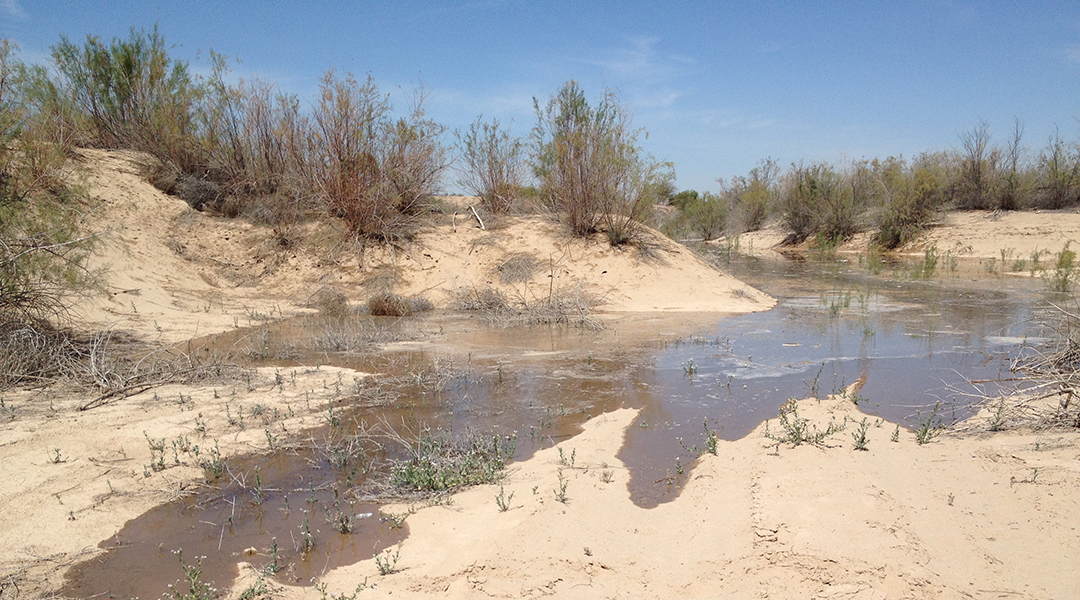
As an increasing global population moves into areas where non-perennial rivers are common, we need to understand how human water needs impact when, where, and how much these rivers flow.
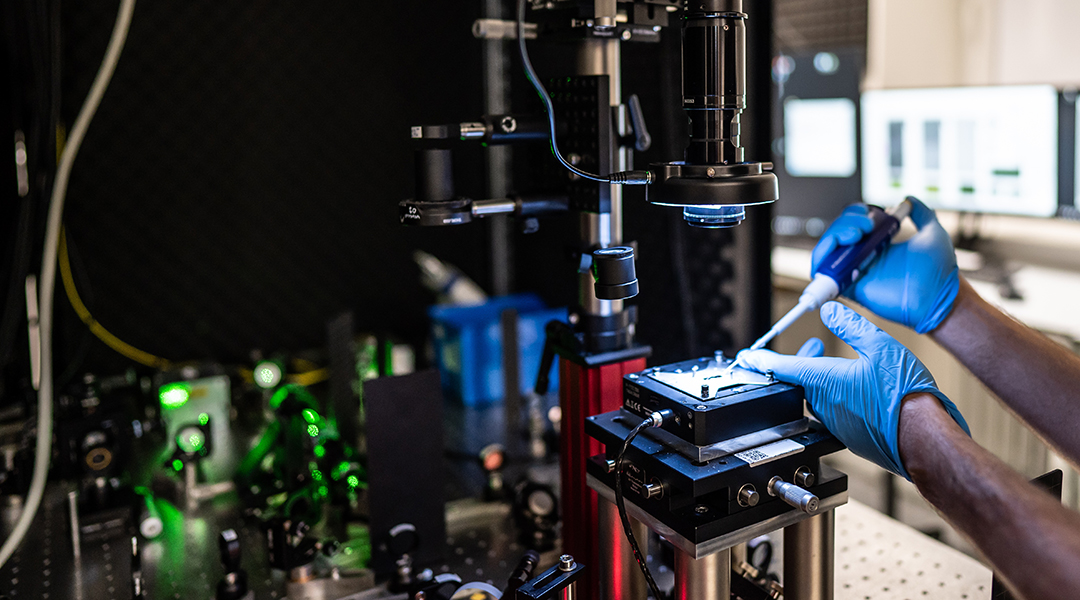
A new method with unprecedented resolution allows researchers to visualize dynamic and elusive mechanisms that underpin essential biological processes, such as cell division.
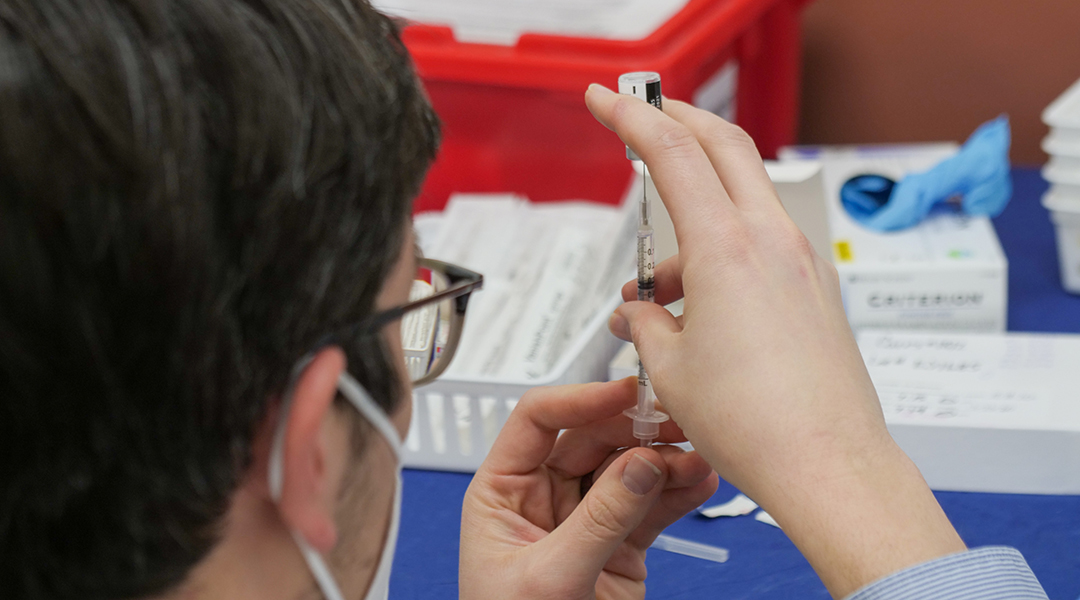
Russia’s Sputnik V coronavirus vaccine gives around 92% protection against COVID-19, results published in The Lancet reveal.


 Micron-sized hidden dimensions could solve two of physics’ deepest puzzles
 Turning Periods into Power: Menstrual Blood a Valuable Resource for Medical Diagnostics
 Surfactants Steer Supraparticle Structure
 Bone loss in obesity traced to gut microbiota
 Edible electronics realize safe, complex monitoring devices
 Fermilab Confirms Muon g-2 Measurements