Researchers develop an easily scalable approach for fabricating cholesteric liquid-crystal elastomer films.
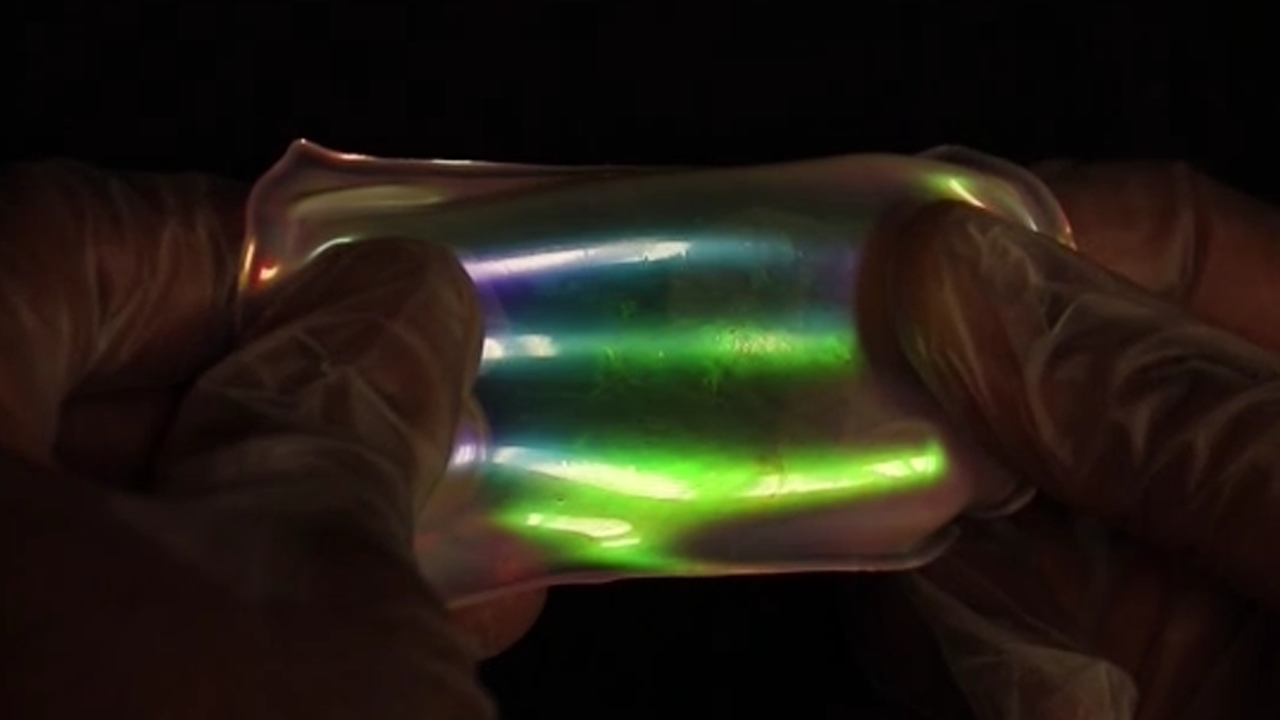

Researchers develop an easily scalable approach for fabricating cholesteric liquid-crystal elastomer films.
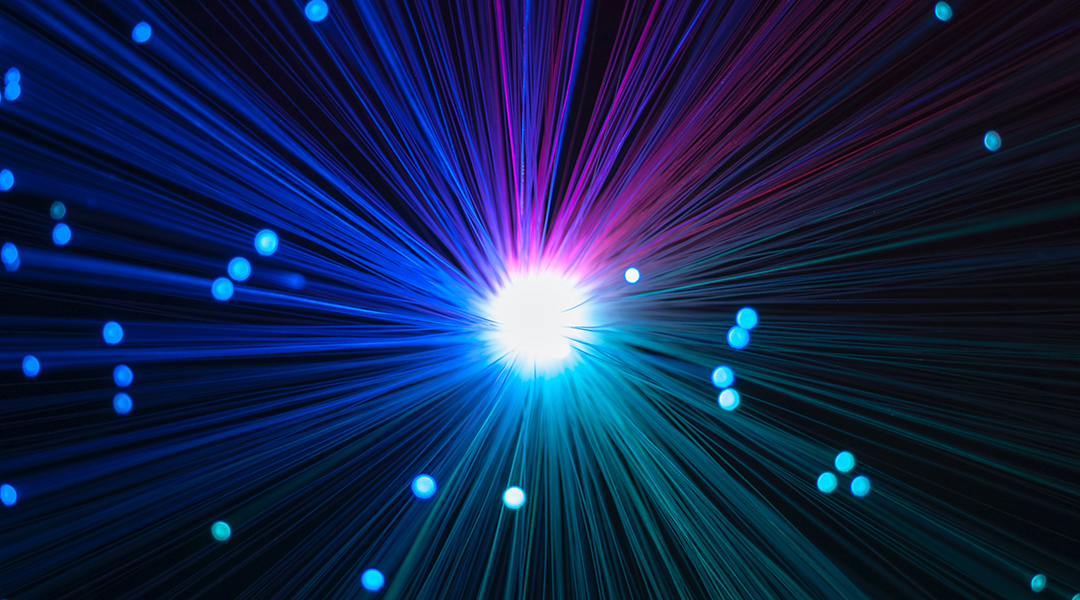
Scientists have developed a method for precise, fast, and high-quality laser processing of halide perovskites, promising light-emitting materials for solar energy, optical electronics, and metamaterials.
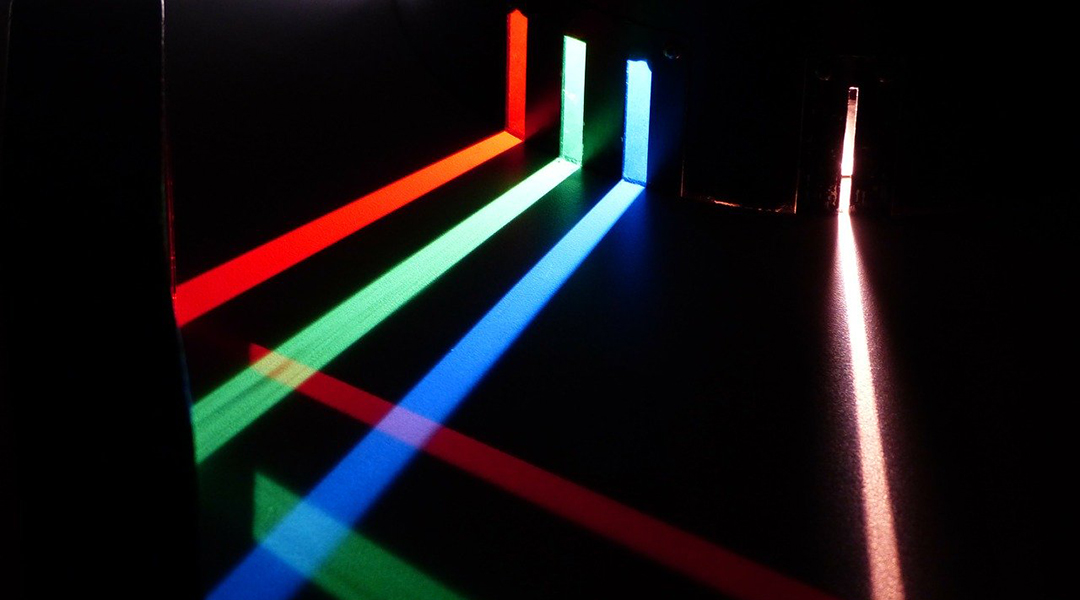
Near-infrared sensors and displays developed based on the maximized efficiency of optical wavelength conversion.
The next generation of contact lenses addresses current problems such as dry, itchy eyes.
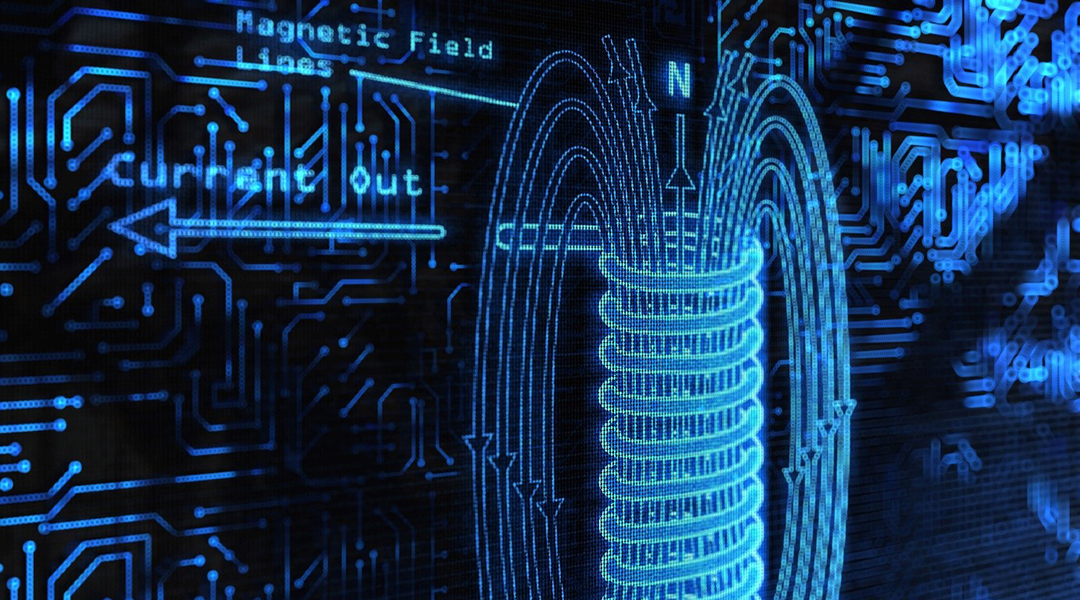
Clarifying some of the misconceptions, limitations, and capabilities of CEM modelling to help researchers find the right tools for their needs.
Discotic liquid crystals could serve as organic power cables for novel electronic and opto‐electronic devices.

A new micro-lens array technology produces high-quality 3D images that can be used to improve driver safety, vehicle function, and provide innovative design effects.
Improving the eye’s ability to detect light in the near-infrared region could do more than help humans see in the dark.
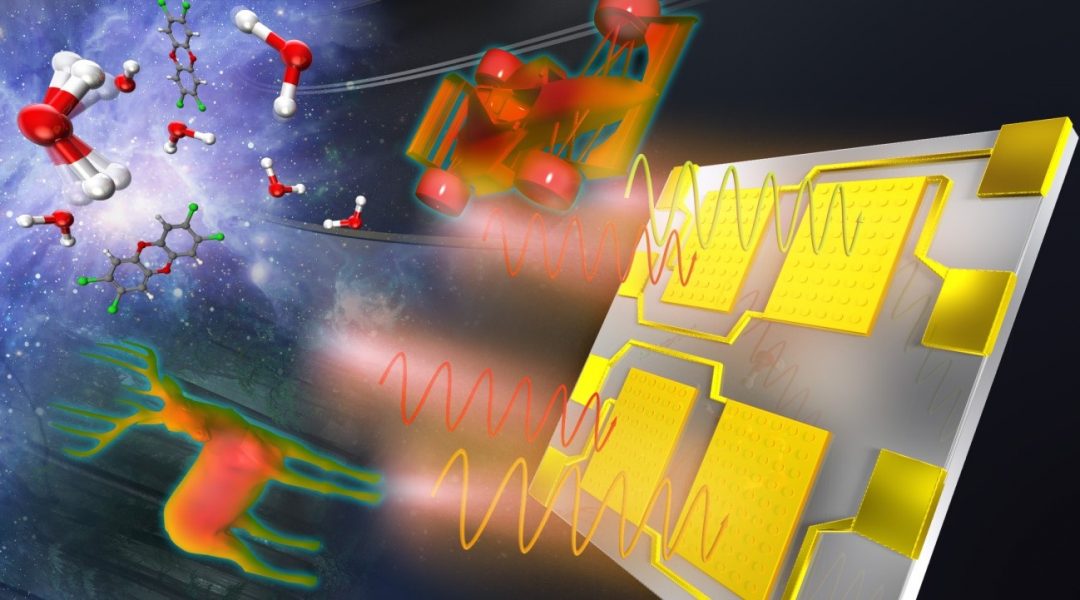
An on-chip multi-wavelength IR sensor that can measure the thermal spectrum of matter.

The 25th Single Molecule Workshop brought together renowned researchers with young scientists in Berlin to discuss and exchange latest results in the field.
 New theory suggests gravity is not a fundamental force
 Water-powered gadgets may be on the horizon thanks to new evaporation-based energy device
 Micron-sized hidden dimensions could solve two of physics’ deepest puzzles
 Turning Periods into Power: Menstrual Blood a Valuable Resource for Medical Diagnostics
 Solar panels made of lunar dust could power a future Moon base
 Organic materials bring probabilistic computing closer to reality