Flexible graphene nano-inks with an excellent bioactivity pave the way for next generation biomedical applications.
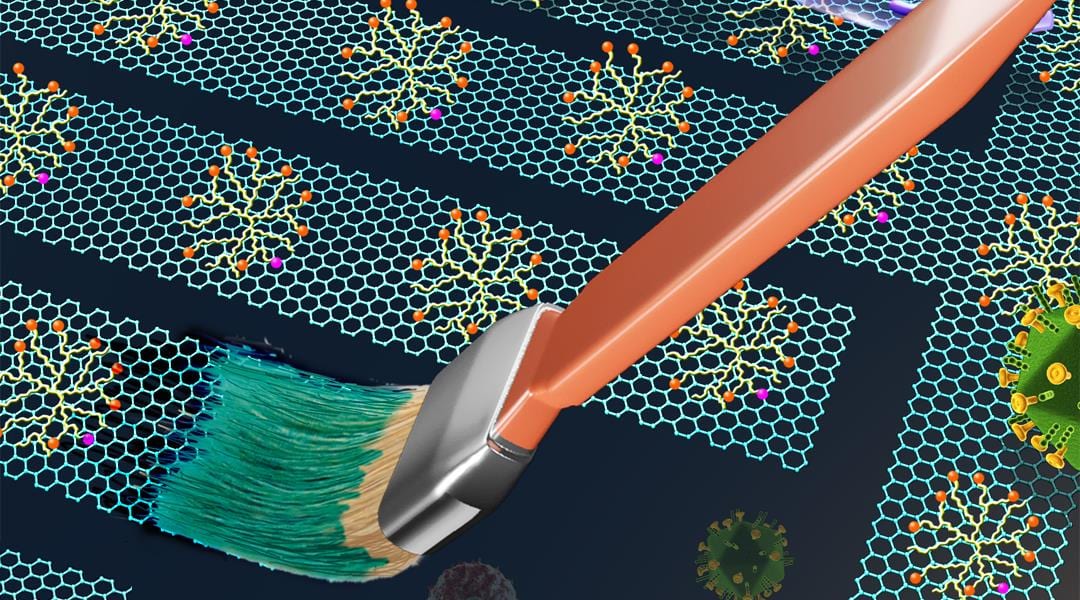

Flexible graphene nano-inks with an excellent bioactivity pave the way for next generation biomedical applications.
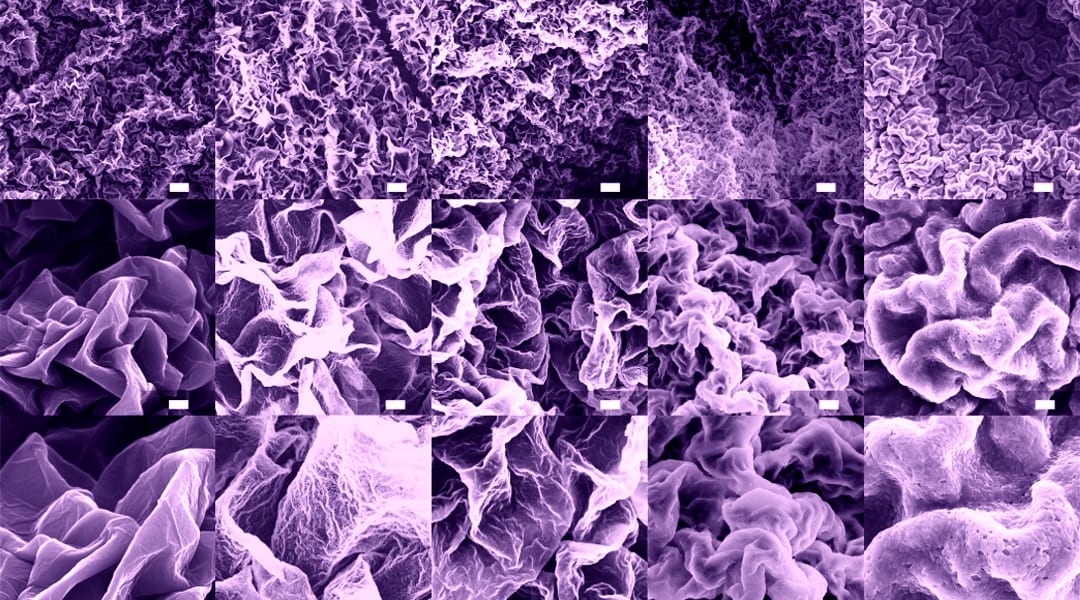
Metallized graphene inks open new directions in film patterning since dense ceramic films with the micro- and macrostructure of a graphene host were produced for the first time in Brown University
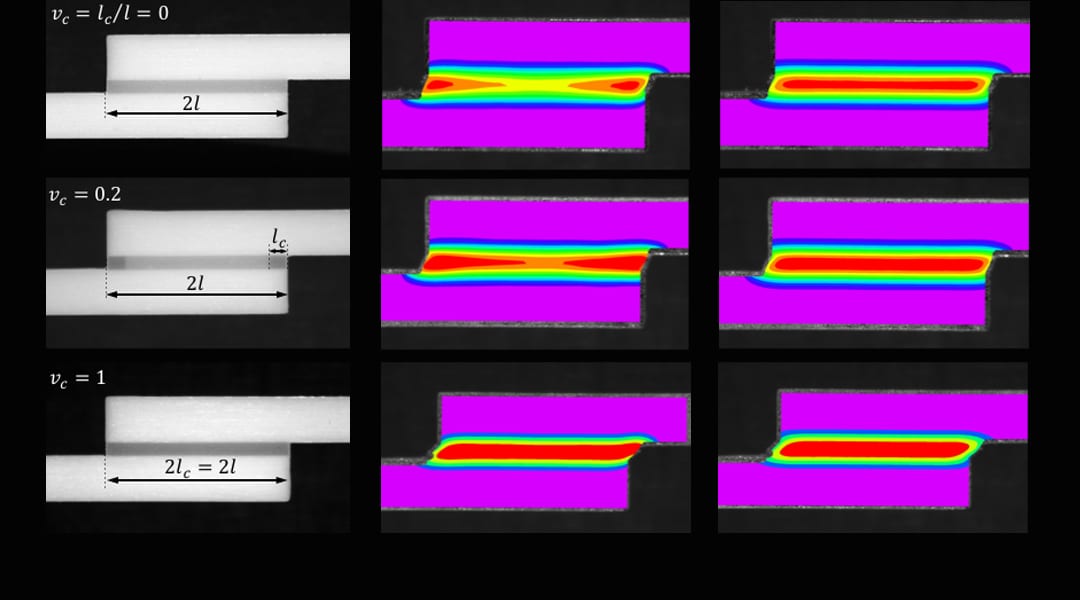
By crafting a spatially compliance-tailored bondlayer utilizing additive manufacturing, mechanical performance can be increased significantly, imparting greater strength, strain to break, and toughness, while maintaining stiffness of the homogeneous stiff bondlayer.

A nanocomposite possessing high NIR-transparency is developed, and shown to be applicable for NIR photography, security, and forensic-related applications.
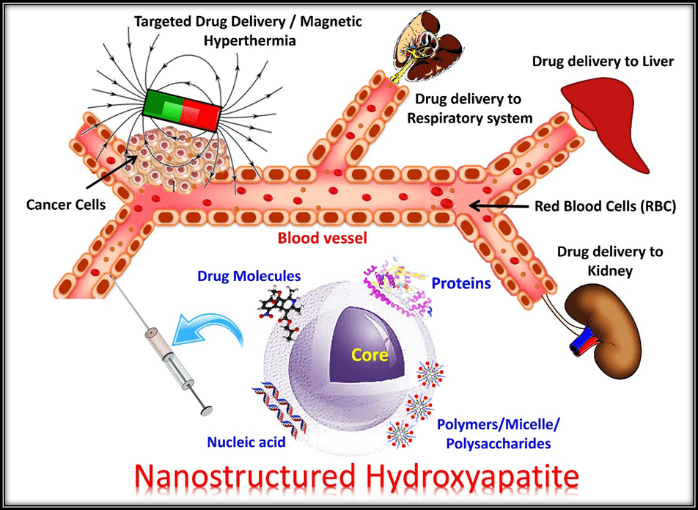
Nanostructured hydroxyapatite (nHAp) appears to have a great potential to revolutionize the hard tissue-engineering field, starting from bone repair and augmentation to controlled drug delivery systems.
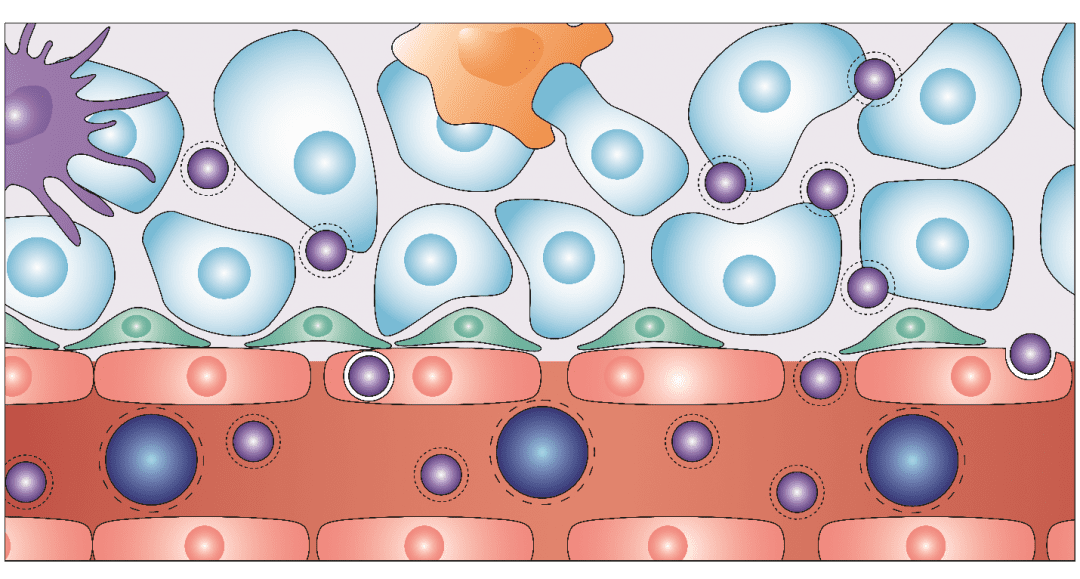
In contrast to healthy tissue, tumors demand a high supply of nutrients and oxygen, and will invade existing vessels and develop new ones to meet these demands.

Via a bottom-up approach this research shows the production of scalable, stable InGaN nanowire photonic crystals for high efficient LEDs.
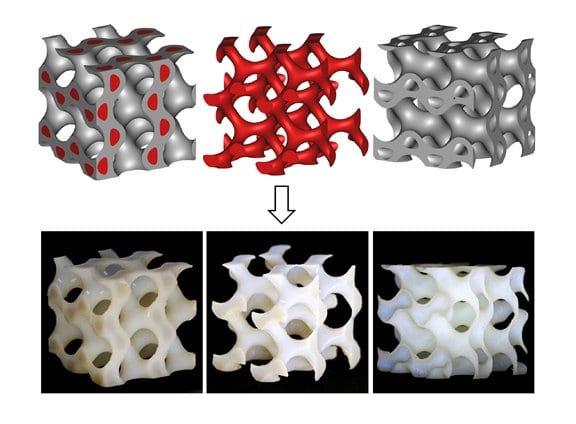
The use of Polyjet 3D printing technology to fabricate novel complex and architected lightweight cellular co-continuous composites has been proposed.
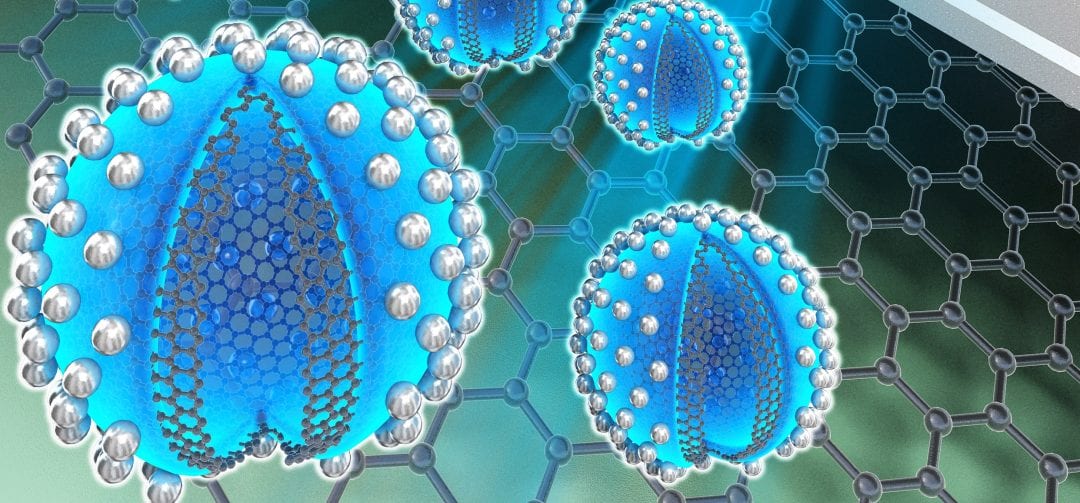
AMI presents the impressive covers of its current issue, highlighting electrochemistry, acoustic streaming, superhydrophobicity, and precision APT.
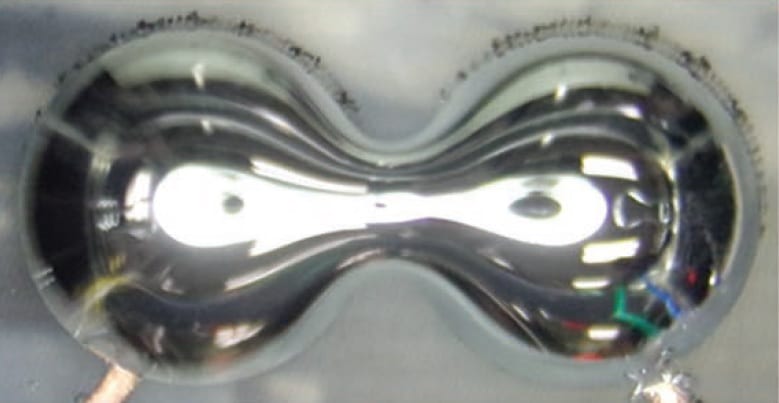
Exploiting electrochemistry to gain control over the interactions of liquid metal droplets enables reversible switching for soft circuitry.
 Micron-sized hidden dimensions could solve two of physics’ deepest puzzles
 Turning Periods into Power: Menstrual Blood a Valuable Resource for Medical Diagnostics
 Surfactants Steer Supraparticle Structure
 Bone loss in obesity traced to gut microbiota
 Edible electronics realize safe, complex monitoring devices
 Quantum Anomalies in Condensed Matter: From Theoretical Peculiarities to Tangible Science