By designing complex microscale stamps, precision 3D printing methods offer control over fluid transfer in traditional 2D printing applications
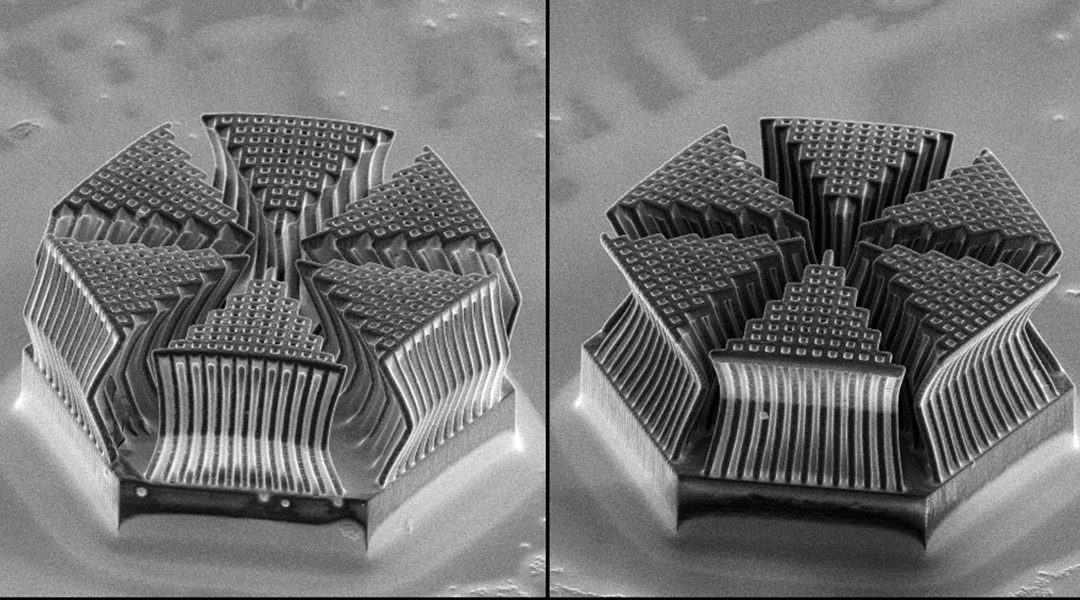

By designing complex microscale stamps, precision 3D printing methods offer control over fluid transfer in traditional 2D printing applications

A pair of micro-scale pliers was made from a liquid crystalline elastomer and fiber optic wire, which can reversibly change shape in response to visible light.

Scientists create a lightweight wood with incorporated magnetic nanoparticles for electromagnetic interference shielding.

Direct‐write and 3D printing using liquids metals provides an interesting alternative for wiring in circuitry.

X‐ray absorption spectroscopy represents a valuable characterization tool for complex materials like multialkali antimonides.

A new tool can diagnose sepsis in less than fifteen minutes, even with a very low concentration of biomarkers.

Researchers at KIT in Germany demonstrate reverse surface wettability by salinization.
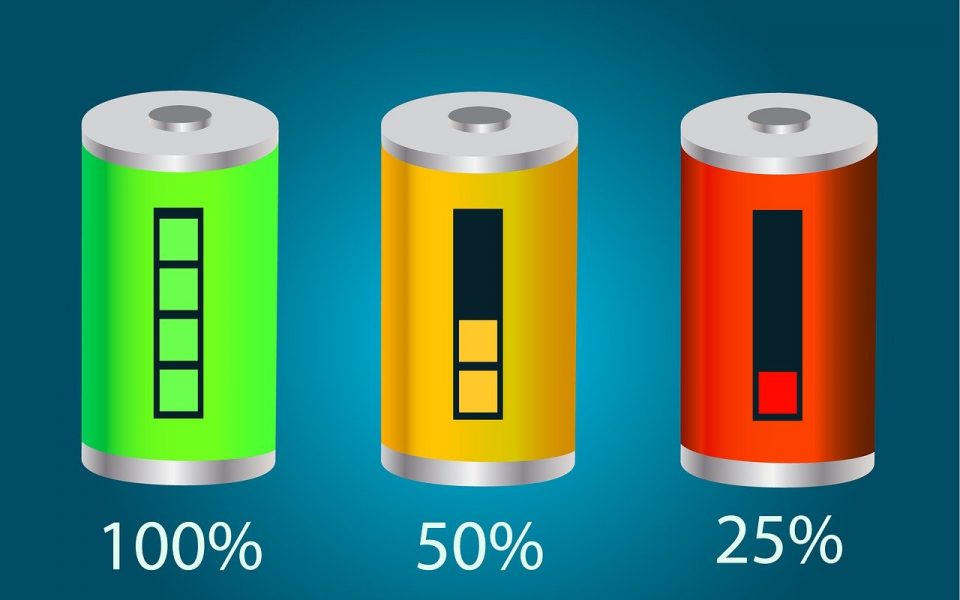
A new dielectric coating could help solve a long-standing problem and enhance the performance of lithium-rich materials.

Scientists have developed a method for precise, fast, and high-quality laser processing of halide perovskites, promising light-emitting materials for solar energy, optical electronics, and metamaterials.

Near-infrared sensors and displays developed based on the maximized efficiency of optical wavelength conversion.


 Micron-sized hidden dimensions could solve two of physics’ deepest puzzles
 Turning Periods into Power: Menstrual Blood a Valuable Resource for Medical Diagnostics
 Surfactants Steer Supraparticle Structure
 Bone loss in obesity traced to gut microbiota
 Edible electronics realize safe, complex monitoring devices
 Fermilab Confirms Muon g-2 Measurements