A novel reactive oxygen species (ROS)-promoted nanomedicine platform can effectively inhibit tumor growth, reduce side effects experienced in common anticancer drugs, while promote on-target uptake.


A novel reactive oxygen species (ROS)-promoted nanomedicine platform can effectively inhibit tumor growth, reduce side effects experienced in common anticancer drugs, while promote on-target uptake.
![Tumor-Targeting “Polywraplex” for siRNA Delivery [Video]](https://www.advancedsciencenews.com/wp-content/uploads/2018/02/ASN_feature_adfm201703207.jpg)
Tuo Jin and colleagues from Shanghai Jiao Tong University synthesize a synthetic carrier system for small interfering RNA (siRNA) with customizable size, pH-responsive degradability, and optimized surface population of cell-targeting agent.
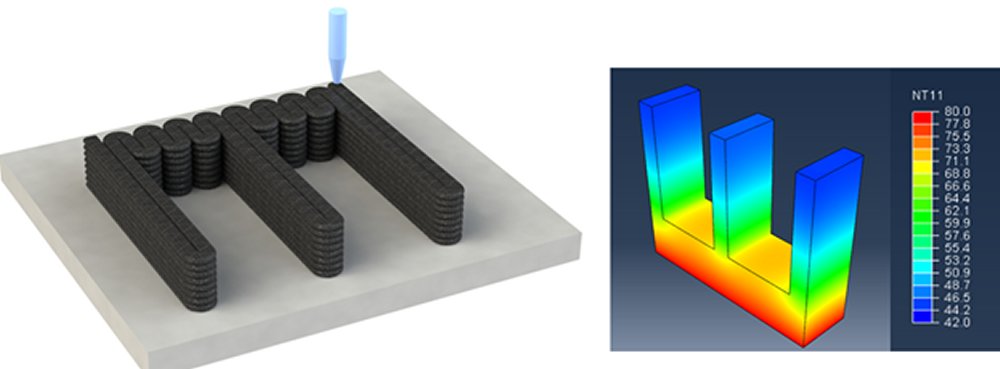
Recent research results in fabricating thermal management devices using 3D printing methods are reviewed.

Local control of pens in a large-scale pen array can be achieved by using a nanotube composite that is photo-responsive to fabricate each individual pen.

This month’s Advanced Engineering Materials covers and top papers.

Self-healing of a phase change memory device with a metallic surfactant layer opens up new pathways in storage class memory.

A plasma-treated polyethylene is used as as an affordable and easy mediator to produce enzymatic glucose sensors that could be used for diabetic patients.

All articles of the recently published first issue of Advanced Theory and Simulations are freely available for a limited time

Special AM30 Symposium at NANO2018 in Hong Kong.
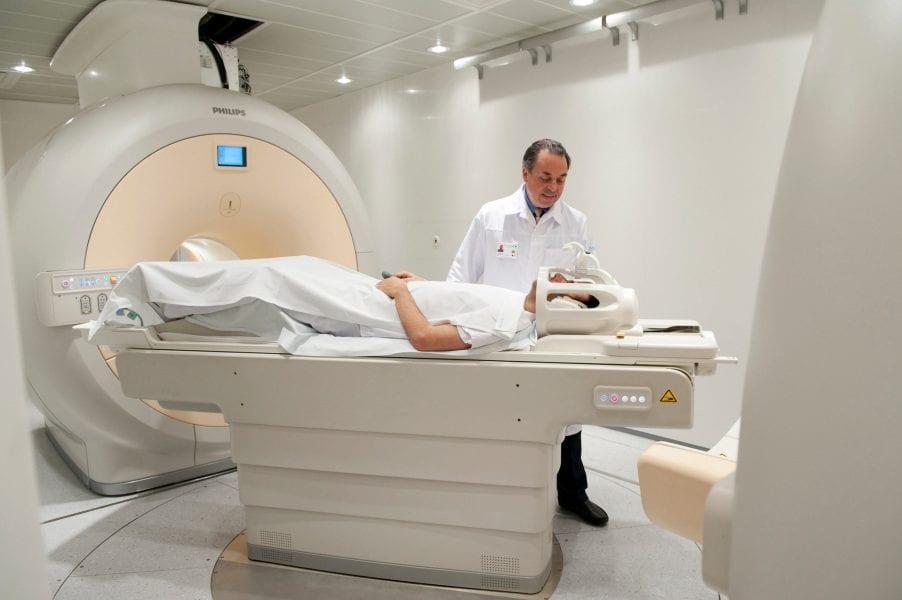
Multifunctional gadolinium-doped titania nanoparticles perform combined diagnostics and treament without compromising the advantages of their components.


 Micron-sized hidden dimensions could solve two of physics’ deepest puzzles
 Turning Periods into Power: Menstrual Blood a Valuable Resource for Medical Diagnostics
 Surfactants Steer Supraparticle Structure
 Bone loss in obesity traced to gut microbiota
 Edible electronics realize safe, complex monitoring devices
 Fermilab Confirms Muon g-2 Measurements