Slippery liquid infused porous surfaces (SLIPS) are created in a one-step approach by fs-laser ablation of polymers.


Slippery liquid infused porous surfaces (SLIPS) are created in a one-step approach by fs-laser ablation of polymers.
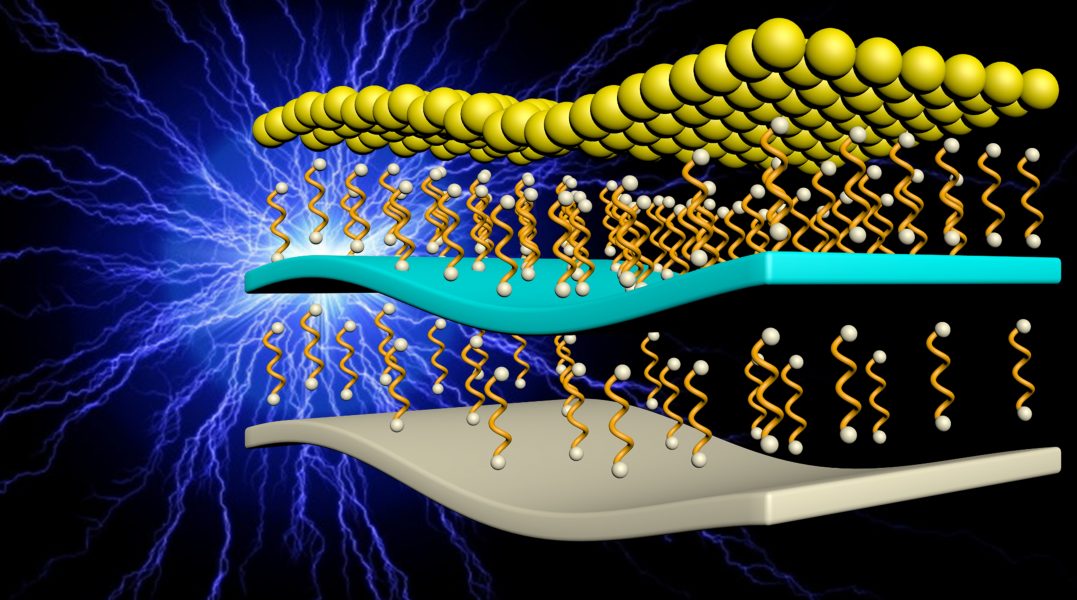
Arumugam Manthiram of the University of Texas at Austin was a Web of Science Highly Cited Researcher for 2017. Hear what he has to say about the problem of polysulfide shuttling in sulfur-based battery systems.
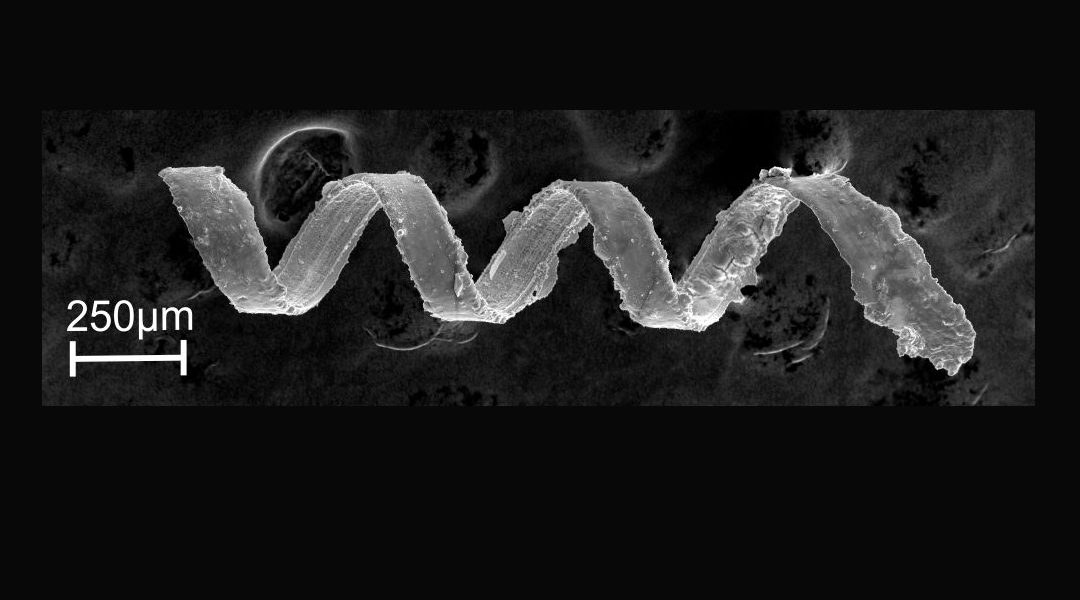
The fabrication of microhelices with semi-hard-magnetic characteristics using template-assisted electroforming is reported.
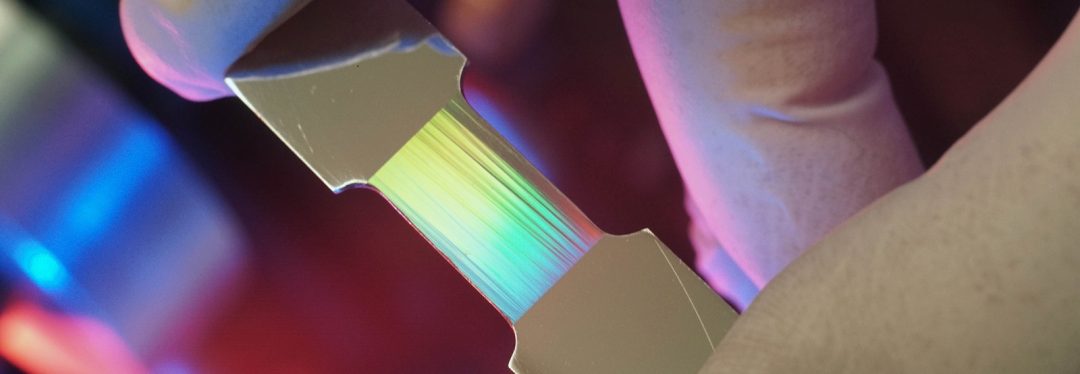
Material scientists shape the surface of tiny, curved carbon fibres tailoring the materials’ properties in a spectacuar way.
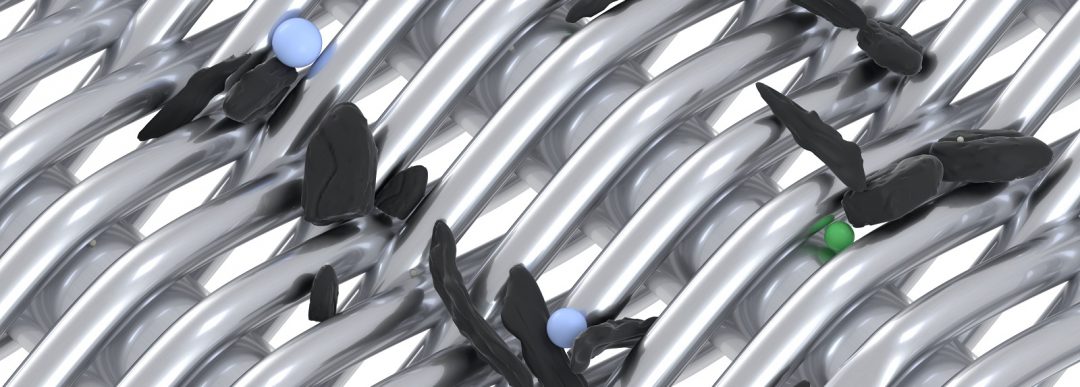
GKD introduced an optimized dutch weave for use in sewage plants that reliably retains microplastics >6 µm thanks to its slot-shaped pore geometry.
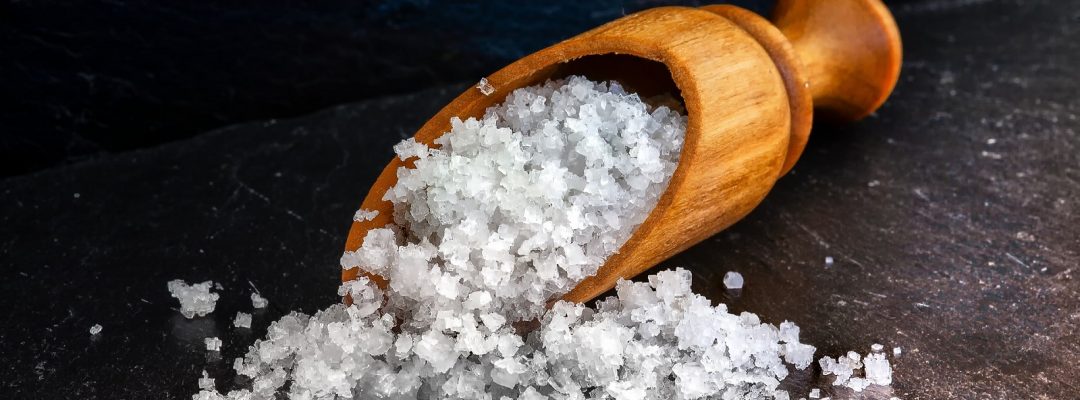
A pinch of salt can be used to drastically improve the performance of batteries.
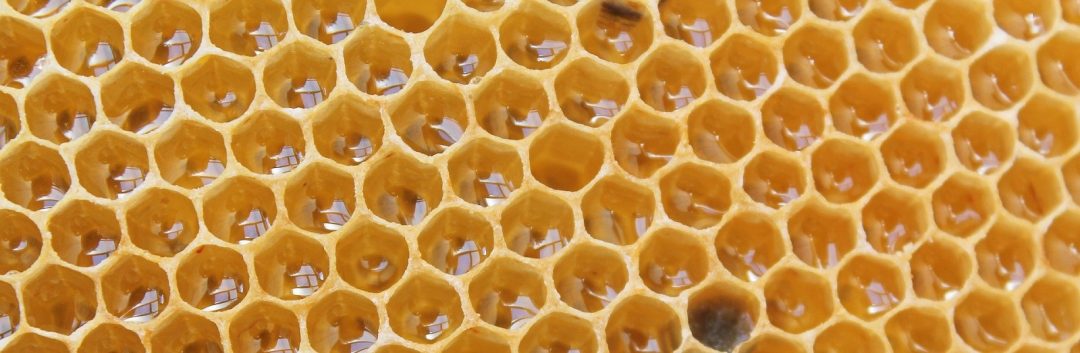
US researchers developed a honeycomb lattice that could increase battery life of electronic devices by more than a hundred-fold.
This non-viral CRISPR-Cas9 delivery vector is ten times as effective at genome modification as the standard plasmid transfection techniques, down-regulating Plk1 expression over 70% to inhibit tumor growth.
![Synthetic Anti-Ferromagnetic Nanostructures for Wearable Spintronic Devices [Video]](https://www.advancedsciencenews.com/wp-content/uploads/2018/05/adma201800449_ASN_image.png)
Ionic gel modulation of Ruderman–Kittel–Kasuya–Yosida interactions in flexible, synthetic anti-ferromagnetic nanostructures.

Materials science meets Mills and Boon.
 Micron-sized hidden dimensions could solve two of physics’ deepest puzzles
 Turning Periods into Power: Menstrual Blood a Valuable Resource for Medical Diagnostics
 Surfactants Steer Supraparticle Structure
 Bone loss in obesity traced to gut microbiota
 Edible electronics realize safe, complex monitoring devices
 Fermilab Confirms Muon g-2 Measurements