How do we reproduce the memory and processing capabilities of the human brain?


How do we reproduce the memory and processing capabilities of the human brain?
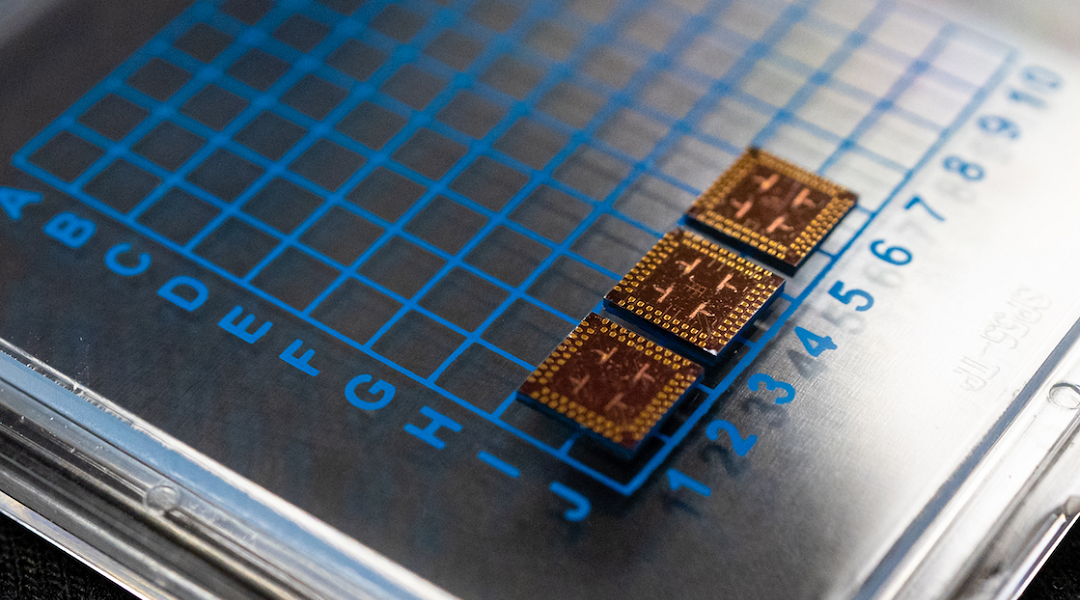
Scientists developed cryogenic memory cells that could be orders of magnitude faster than existing memories while consuming very little power.
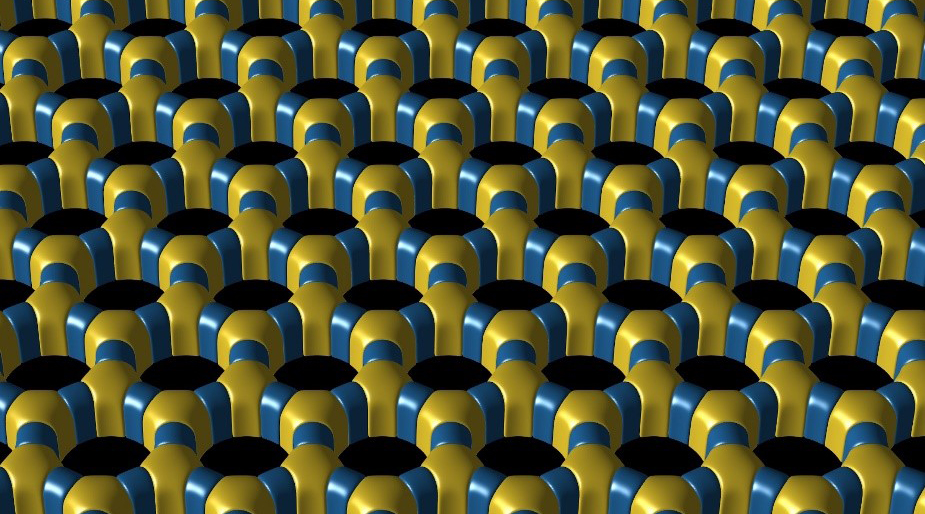
Researchers use ordered templates to impart unprecedented tessellating patterns in composites made from inorganic materials.

What does cooking in your kitchen have in common with printed electronics? More than one would think! Sintering is a widely used technique for bonding particles into coherent structures, imparting increased strength and integrity. Due to its low cost, and reliability,...
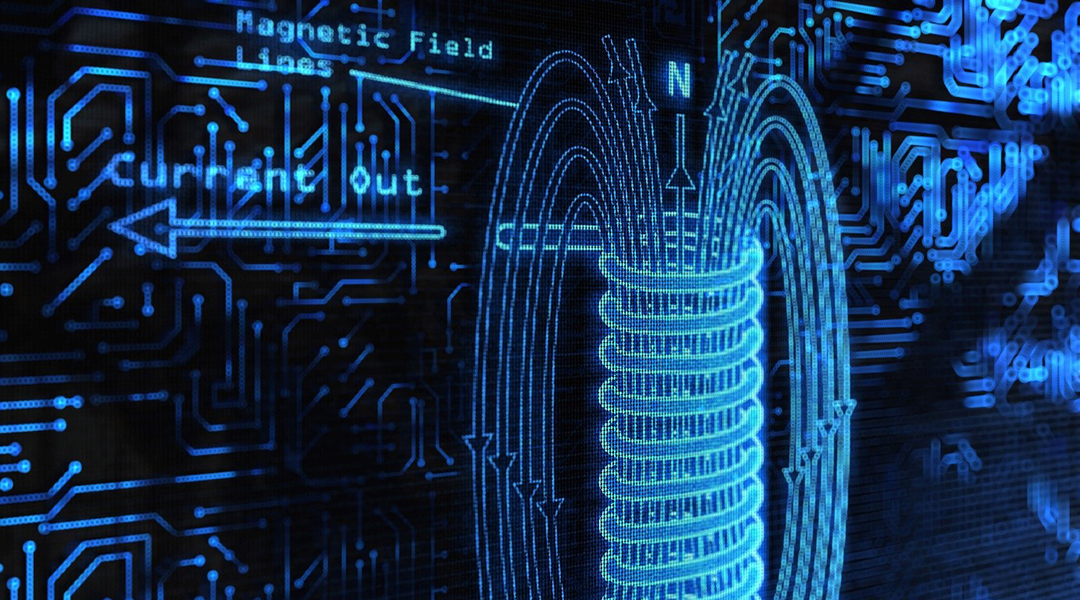
Clarifying some of the misconceptions, limitations, and capabilities of CEM modelling to help researchers find the right tools for their needs.

German physicists converted electrical signals into photons and radiated them in specific directions using a nanometer-scale antenna.
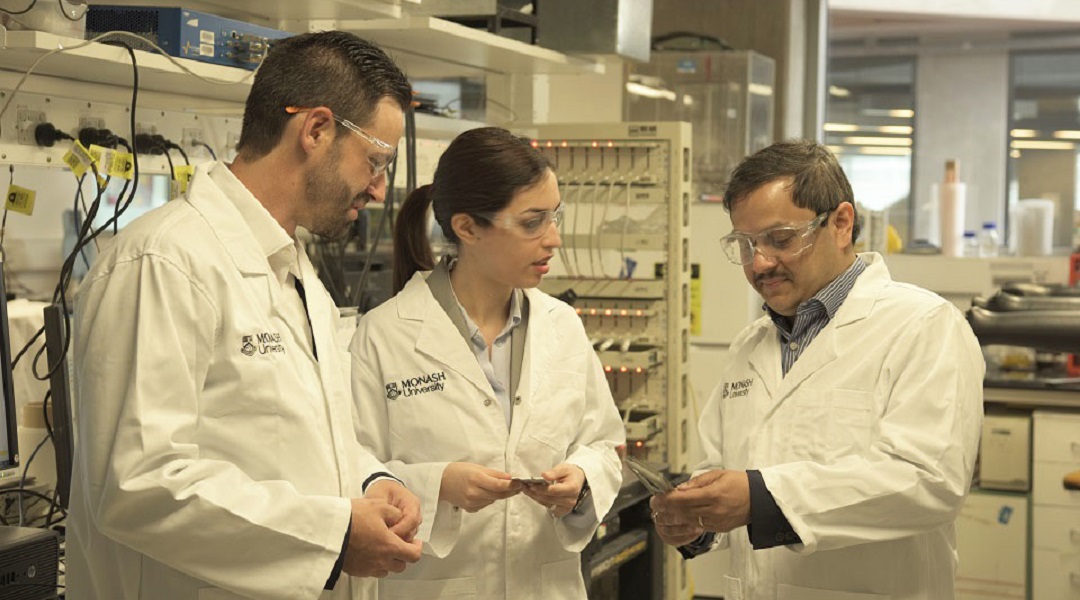
Monash University researchers have developed the world’s most efficient lithium-sulphur battery, capable of powering a smartphone for five continuous days.

Analysis reveals never-before-seen details about a type of thin film being explored for advanced microelectronics.
A recent study seeks to identify, understand, and solve issues surrounding the integration of ferro/piezo-electric materials with silicon technology.
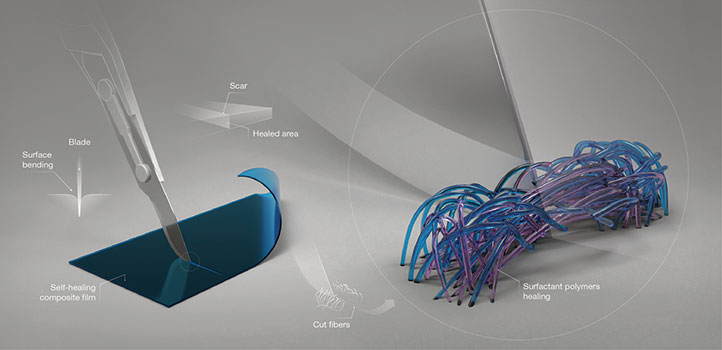
Sensors that are worn on the skin could soon be powered by our own body heat.
 New theory suggests gravity is not a fundamental force
 Water-powered gadgets may be on the horizon thanks to new evaporation-based energy device
 Micron-sized hidden dimensions could solve two of physics’ deepest puzzles
 Turning Periods into Power: Menstrual Blood a Valuable Resource for Medical Diagnostics
 Solar panels made of lunar dust could power a future Moon base
 Organic materials bring probabilistic computing closer to reality