Researchers build multi-layer, flexible circuits in which the connections between circuit layers are made by ultrasonic welding.


Researchers build multi-layer, flexible circuits in which the connections between circuit layers are made by ultrasonic welding.
Bridging the gap between biology and electronics, researchers develop biocompatible materials for next generation biosensors, cell monitoring, neuromorphic computing, and more.

Researchers use the ancient art of Kirigami folding to create flexible electronic devices from paper and diversify the applications of next-generation sensors, robots, and diagnostic devices.

Researchers at Osaka University are helping to power portable sensors that do not use batteries by generating electricity from heat that is otherwise wasted.
Computational screens allow researchers to efficiently determine how different elemental combinations can alter material properties to quickly identify 2D materials for next generation battery anodes.

Researchers tune the properties of a known semiconducting material so that it behaves like a metal, with some superconducting behavior, for more efficient electronic devices.

A wireless acoustic sensor that can be worn over fur could be especially useful for monitoring the vital stats of working animals such as sniffer dogs.
The importance of understanding the experimental process is ubiquitous in research. And while we have a huge range of techniques at our disposal, we should be aware of and properly consider their limitations, so that we may present reliable methods and conclusions to...

Researchers at UC San Diego bring lithium metal batteries one step closer to commercialization with their new ultrasound device.
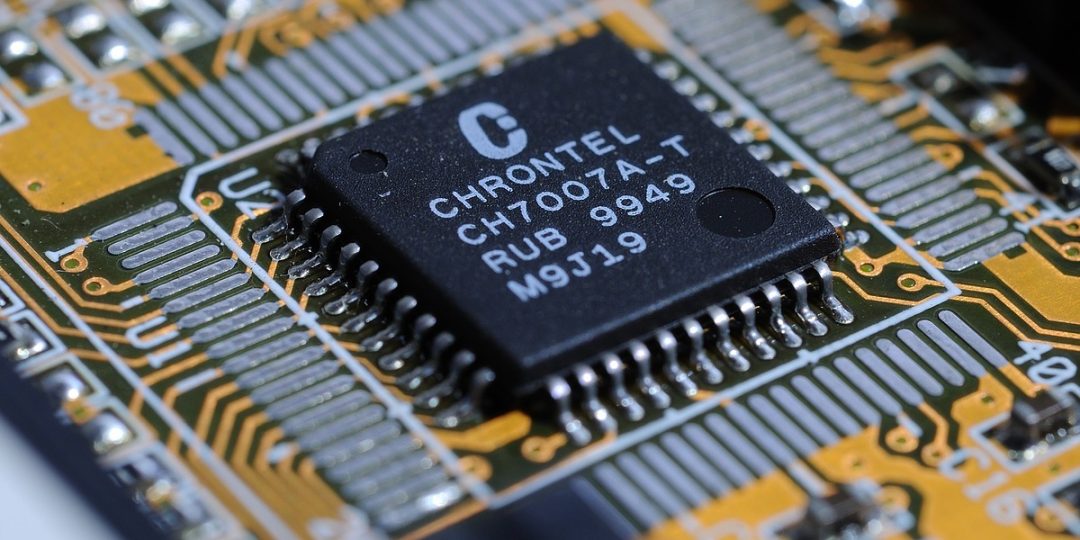
Exploring advances in building 2D and 3D structures through lithography and additive manufacturing.
 New theory suggests gravity is not a fundamental force
 Water-powered gadgets may be on the horizon thanks to new evaporation-based energy device
 Micron-sized hidden dimensions could solve two of physics’ deepest puzzles
 Turning Periods into Power: Menstrual Blood a Valuable Resource for Medical Diagnostics
 Solar panels made of lunar dust could power a future Moon base
 Organic materials bring probabilistic computing closer to reality