Crediting ChatGPT as an author on scientific papers has sparked debate around the role it should play in the scientific literature.
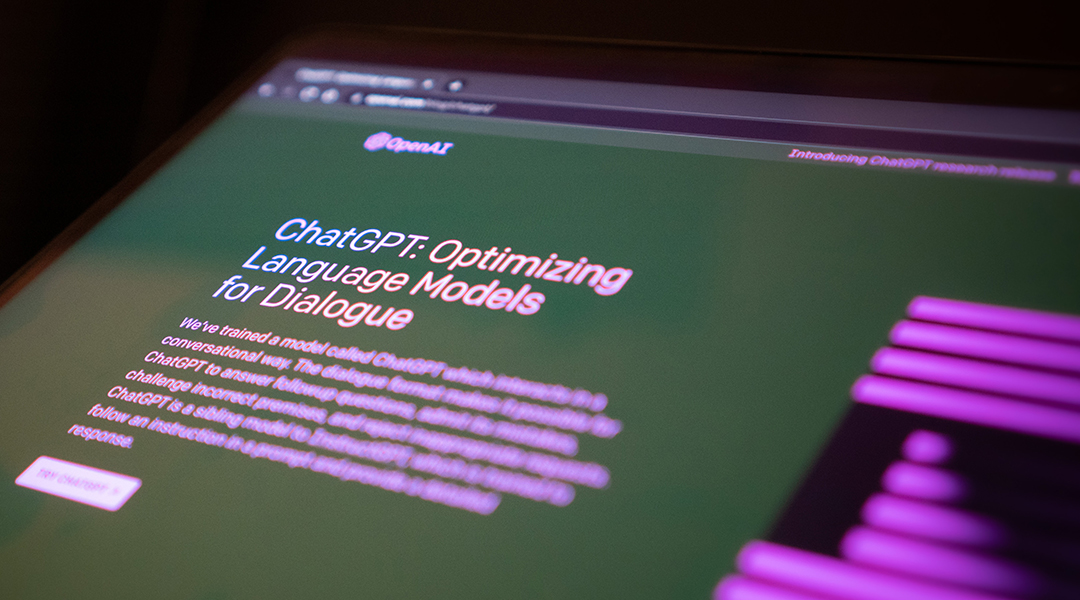

Crediting ChatGPT as an author on scientific papers has sparked debate around the role it should play in the scientific literature.

A device brings memory and processing together, helping minimizing errors and avoiding increasing energy demands due to huge amounts of data.
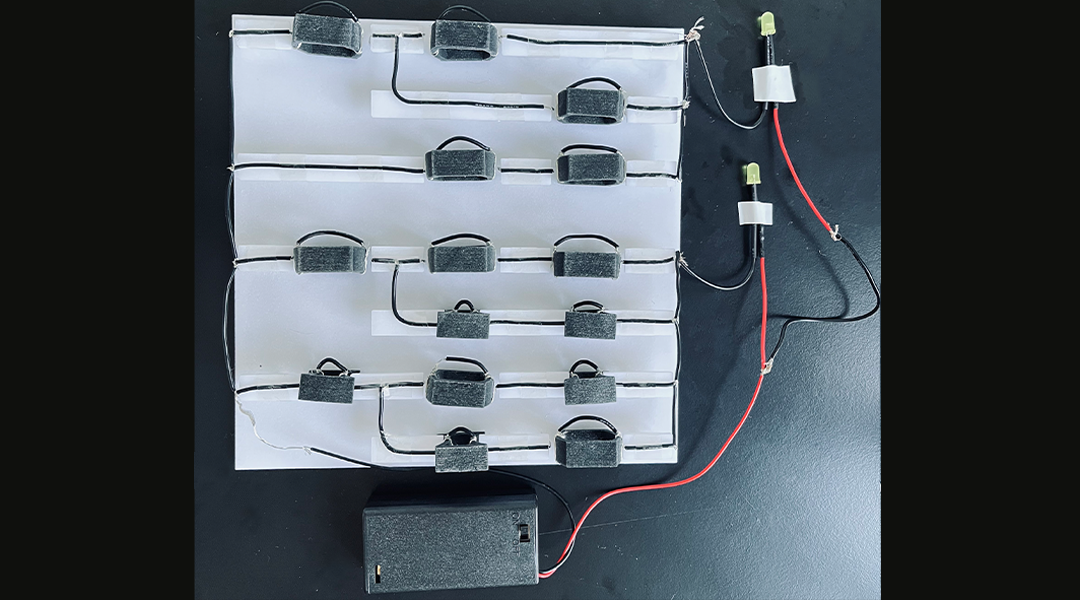
Putting a modern spin on old tech, scientists create a mechanical computer from metamaterials for situations where electronic computers break down.
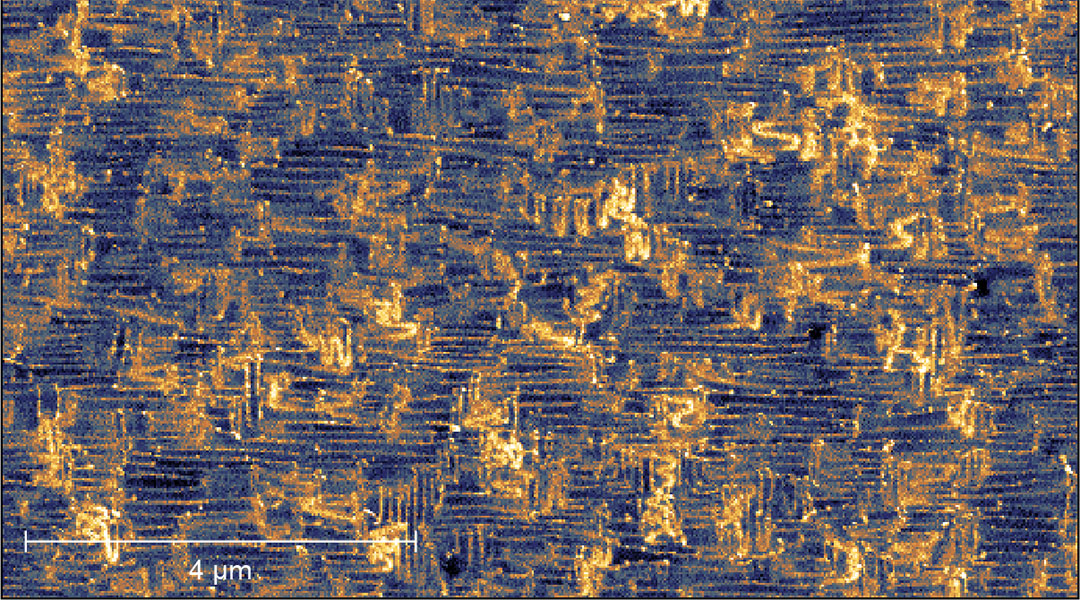
Artificial neural networks made from domain walls mimic synapses and neurons in the brain for neuromorphic computers.
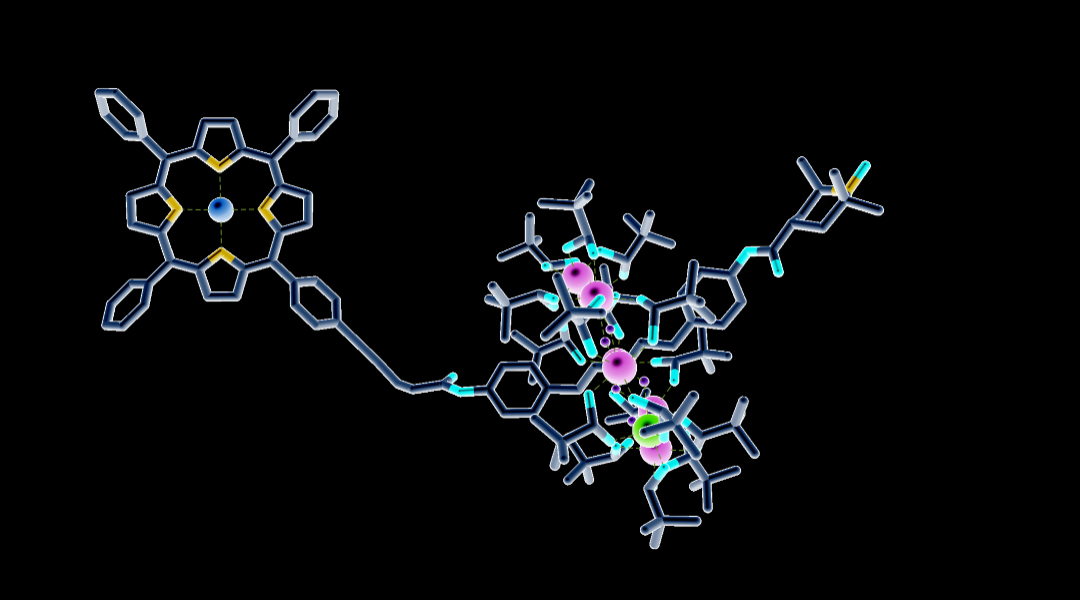
A molecular complex was built to contain three distinct qubits, offering an intriguing architecture for future quantum computers.

The power demands of the Internet of Things could be combated with computing systems that mimic biological neurons.

Scientists hope that a new machine learning algorithm could one day be used to automate the discovery of new physical laws.
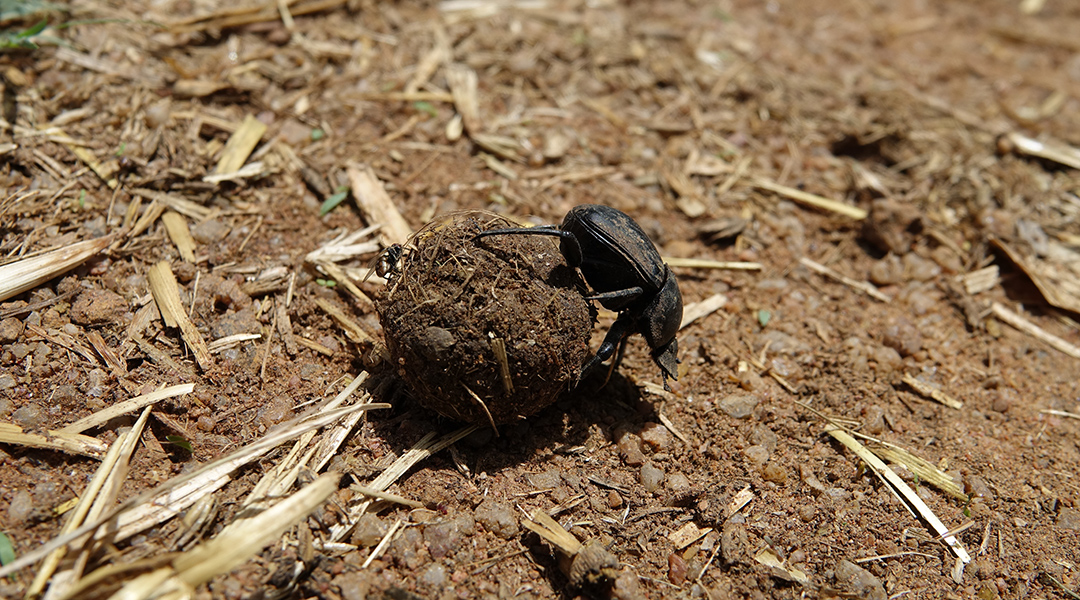
A numerical model helps scientists understand how particularities of different terrains affect the trajectory and behavior of dung beetles.
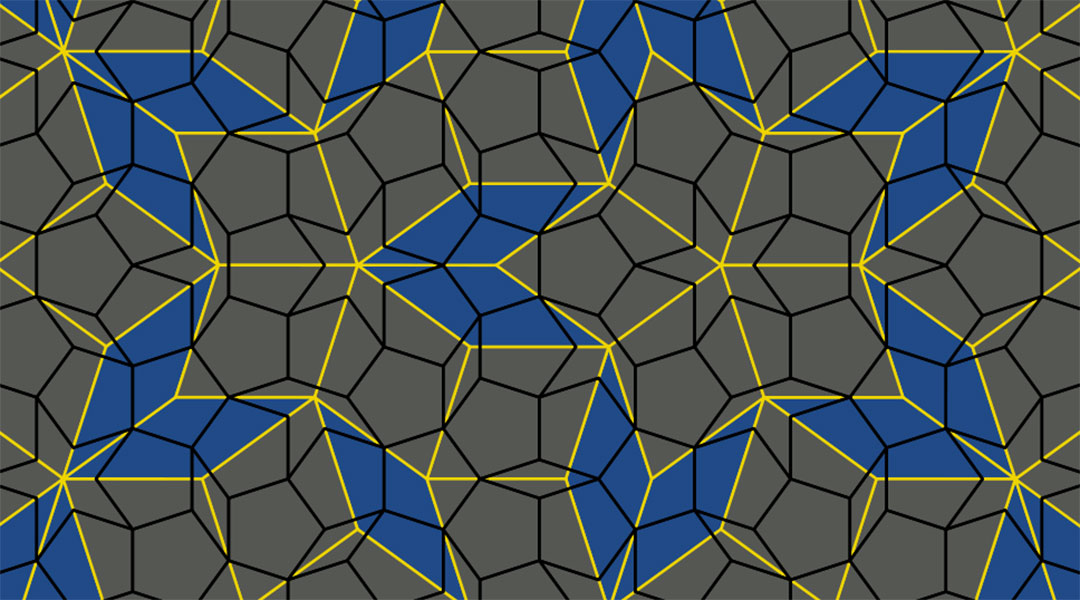
Extra time dimensions provide scientists with a new way to think about phases of matter for more stable qubits and robust quantum computers.
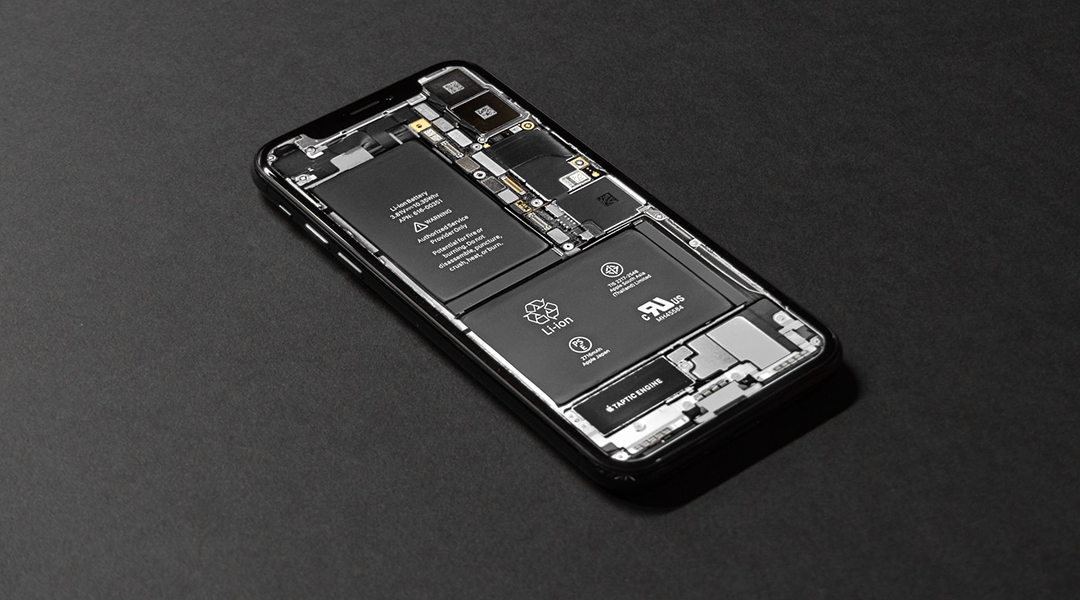
Automated molecule design through machine learning helps scientists identify and synthesize a new polymer electrolyte for lithium-ion batteries.
 New theory suggests gravity is not a fundamental force
 Higgs boson may be driving the Universe’s expansion
 Water-powered gadgets may be on the horizon thanks to new evaporation-based energy device
 Scientists discover a new class of antibiotics
 Micron-sized hidden dimensions could solve two of physics’ deepest puzzles
 A new type of dark matter could explain mysterious radiation from the Milky Way’s core