Researchers at Rice University have found a way to kill some diseased cells and treat others in the same sample at the same time.
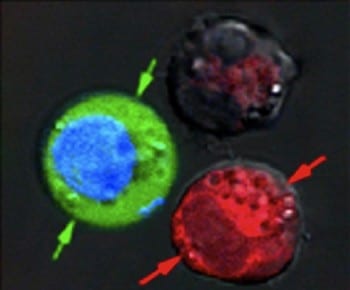

Researchers at Rice University have found a way to kill some diseased cells and treat others in the same sample at the same time.
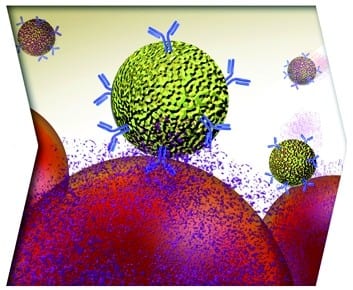
Silicon nanoparticles functionalised with antibodies have been shown to efficiently kill cancer cells in vitro.
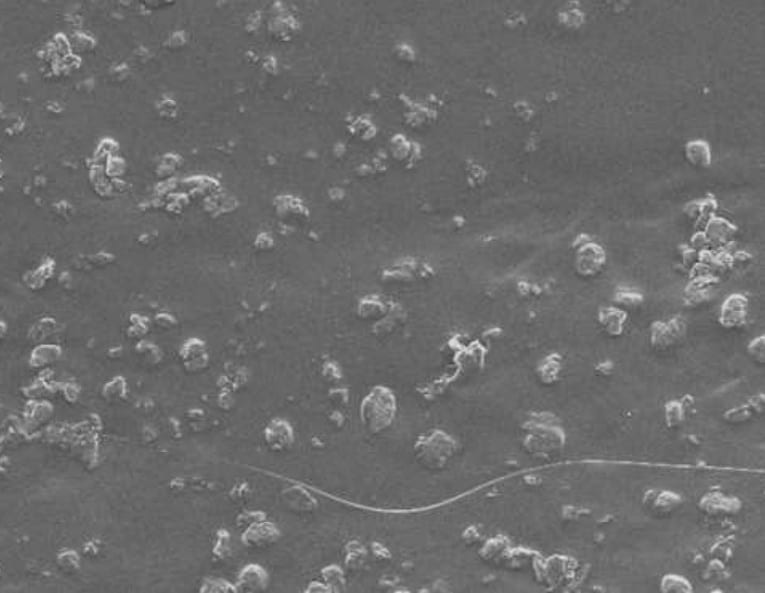
Researchers have engineered an electro-responsive polymer hydrogel containing carbon nanotubes for drug delivery applications.
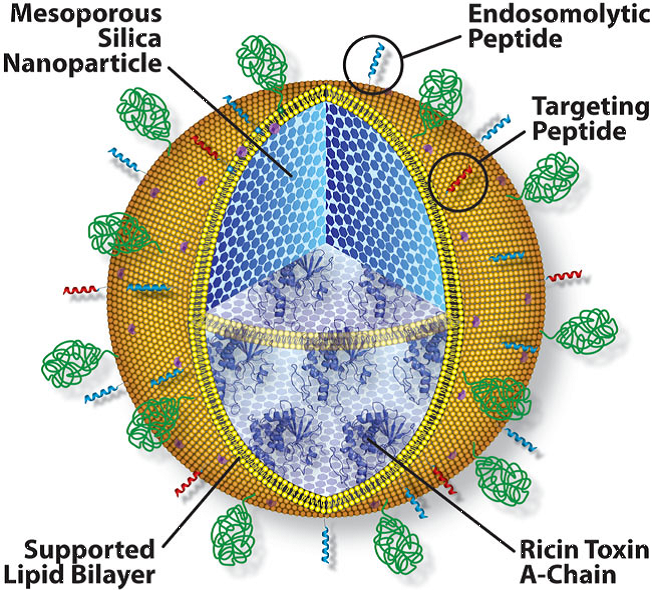
A new hybrid nanoarchitecture has been developed to allow the use of protein toxins such as ricin in cancer treatment.
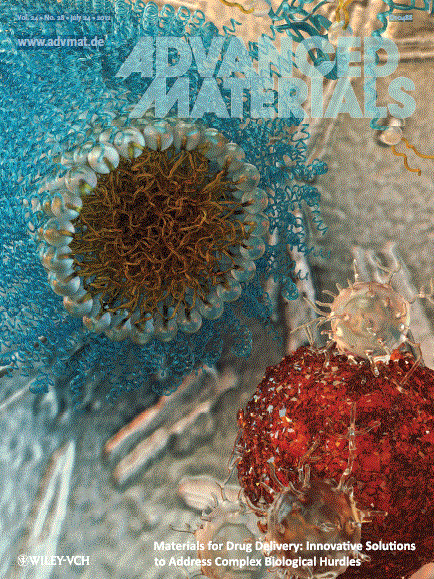
Nanocarriers for encapsulation, delivery, release, and accumulation of drugs are reported in a Special Issue of Advanced Materials.
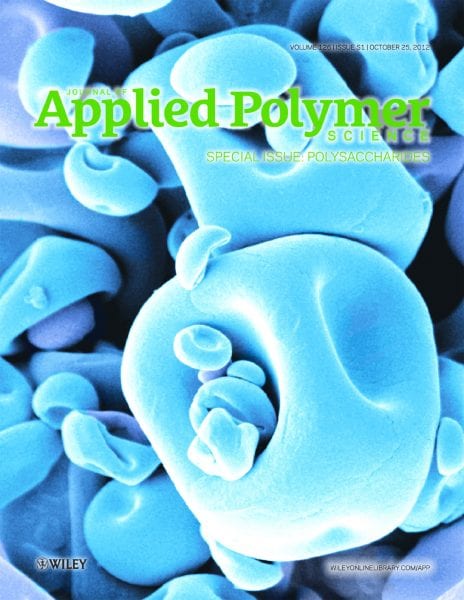
From materials to applications, the Journal of Applied Polymer Science showcases the vast potential of polysaccharides.
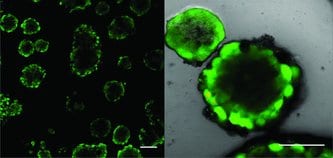
Living cells within a liquid marble can form aggregate structures know as cancer cell spheroids that can be used as model tumours.
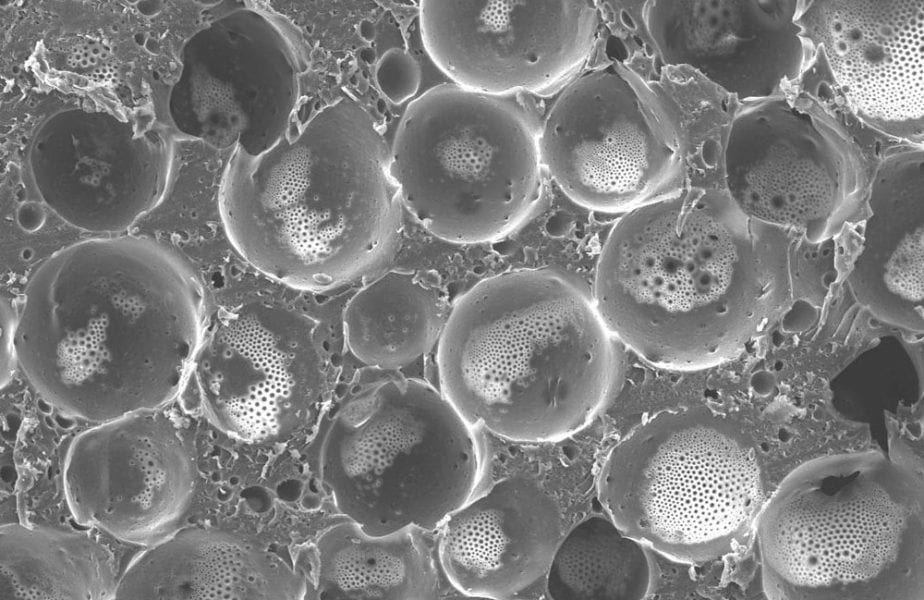
A new bone adhesive made with polyurethane and hydroxiapatite hierarchical nanocomposites shows great mechanical strength and biocompatibility.
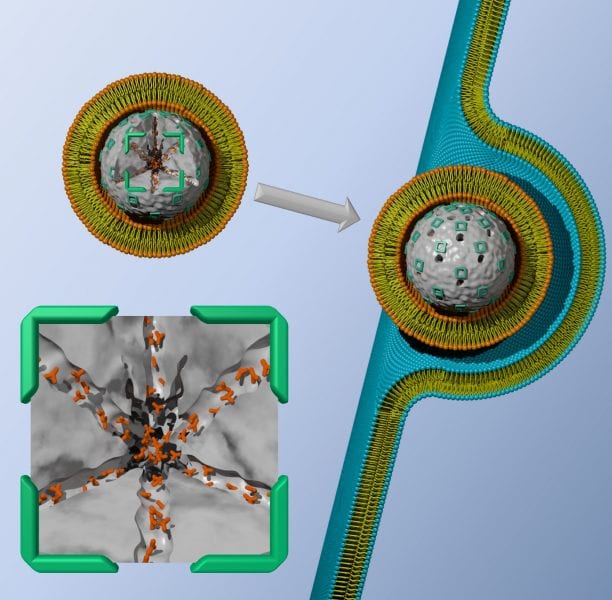
Photo-induced endosomal release of drugs from a colloidal mesoporous silica platform using singlet oxygen to breakdown lipid envelopes.
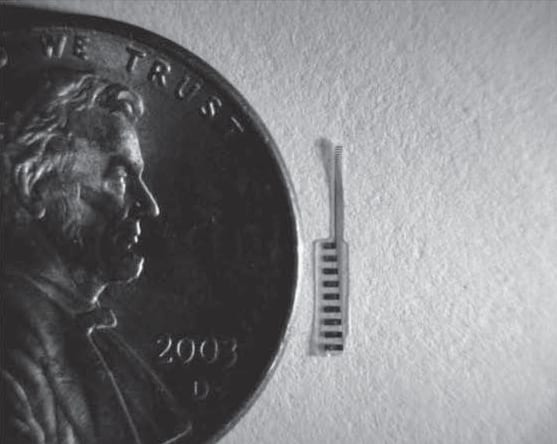
University of Texas researchers develop materials that are stiff for initial implantation, and then soften to better match the mechanical properties of brain tissue.


 Micron-sized hidden dimensions could solve two of physics’ deepest puzzles
 Turning Periods into Power: Menstrual Blood a Valuable Resource for Medical Diagnostics
 Surfactants Steer Supraparticle Structure
 Bone loss in obesity traced to gut microbiota
 Edible electronics realize safe, complex monitoring devices
 Fermilab Confirms Muon g-2 Measurements