Bacteria controlled by magnets could one day deliver medicine directly to the cells that need it.
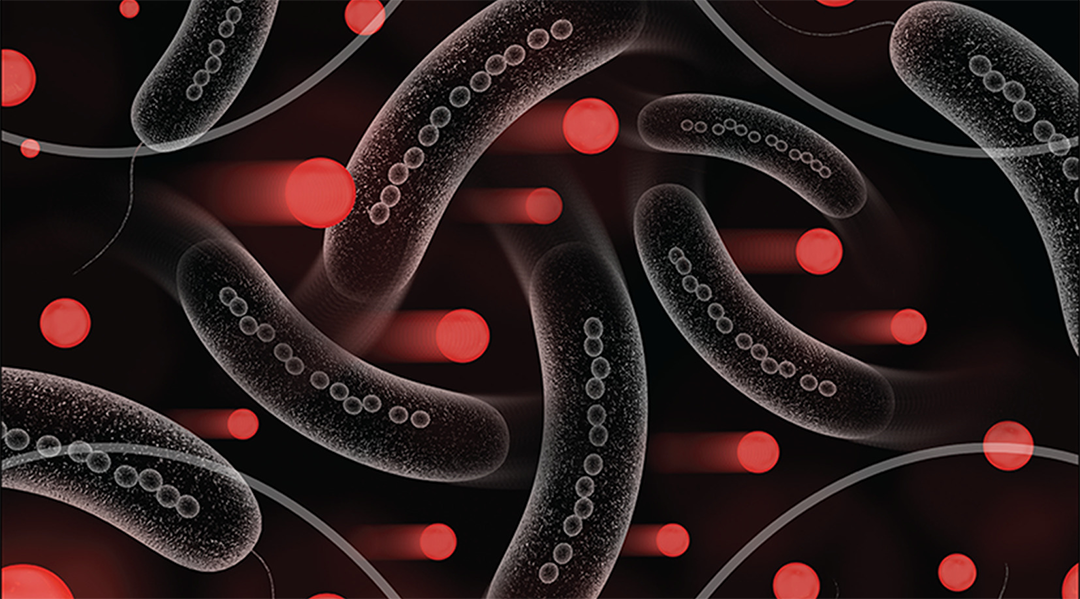

Bacteria controlled by magnets could one day deliver medicine directly to the cells that need it.
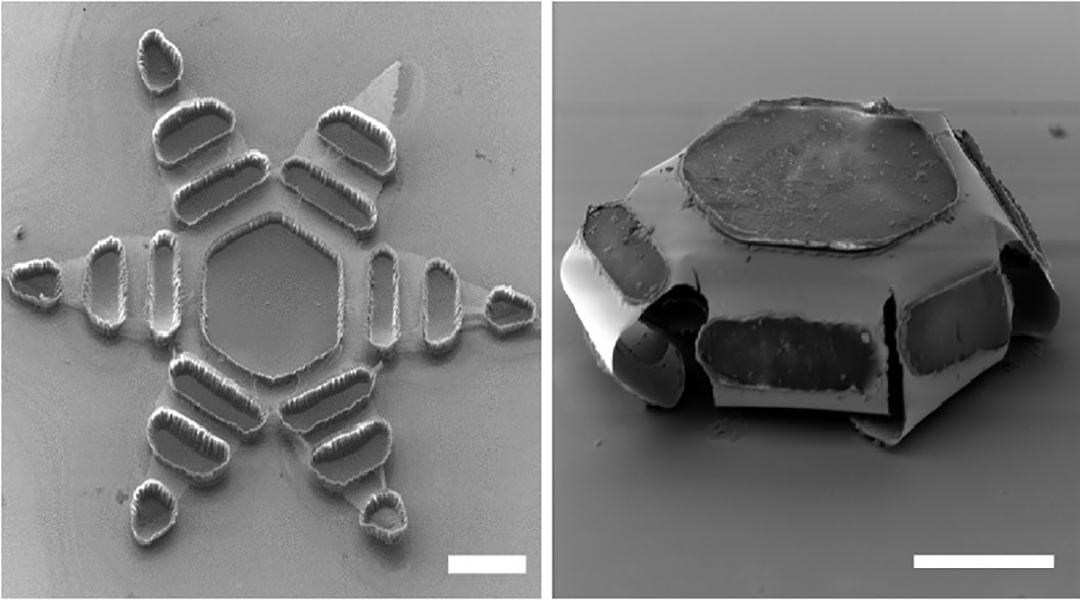
“Theragrippers” are inspired by a parasitic worm that clamps onto its host’s intestines.
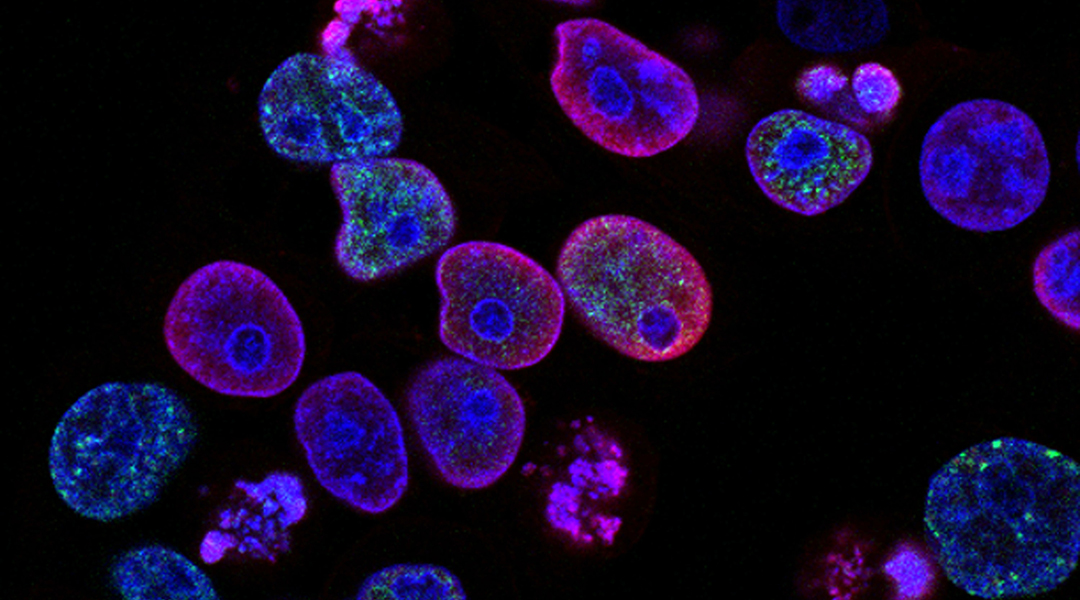
Researchers create a method to fine tune the properties of nanoparticles, making them a promising treatment for cancer.

Researchers challenge the current paradigm for embolization with a safe and versatile embolic agent made from malleable and injectable hydrogels.
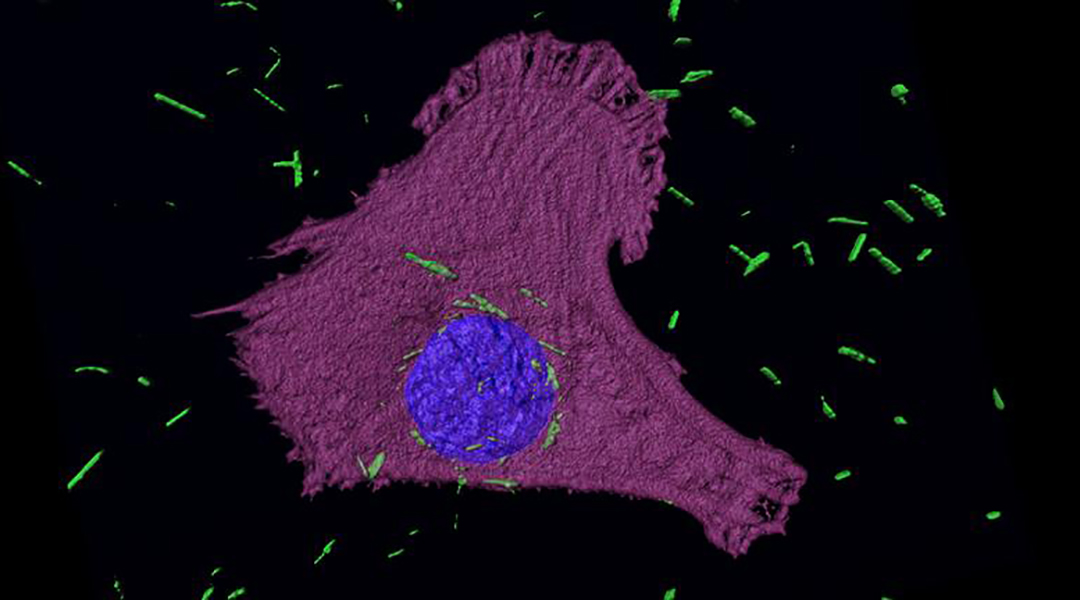
Researchers have designed a gold-coated nanomotor that can be controlled by infrared irradiation for precise drug delivery in cells.
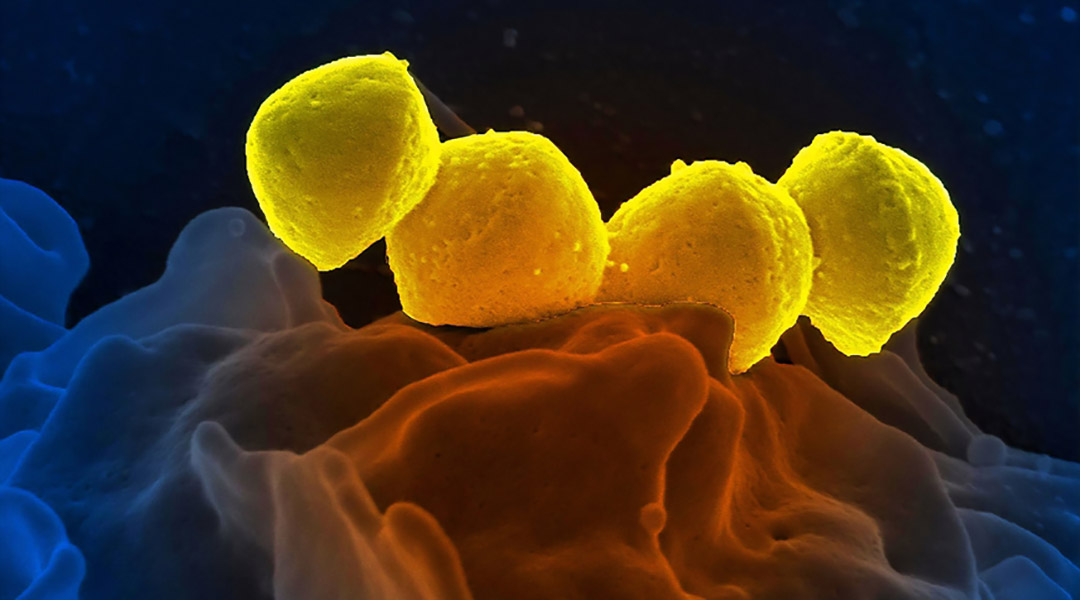
To combat bacterial wound infections, researchers have developed cellulose membranes equipped with antimicrobial peptides.
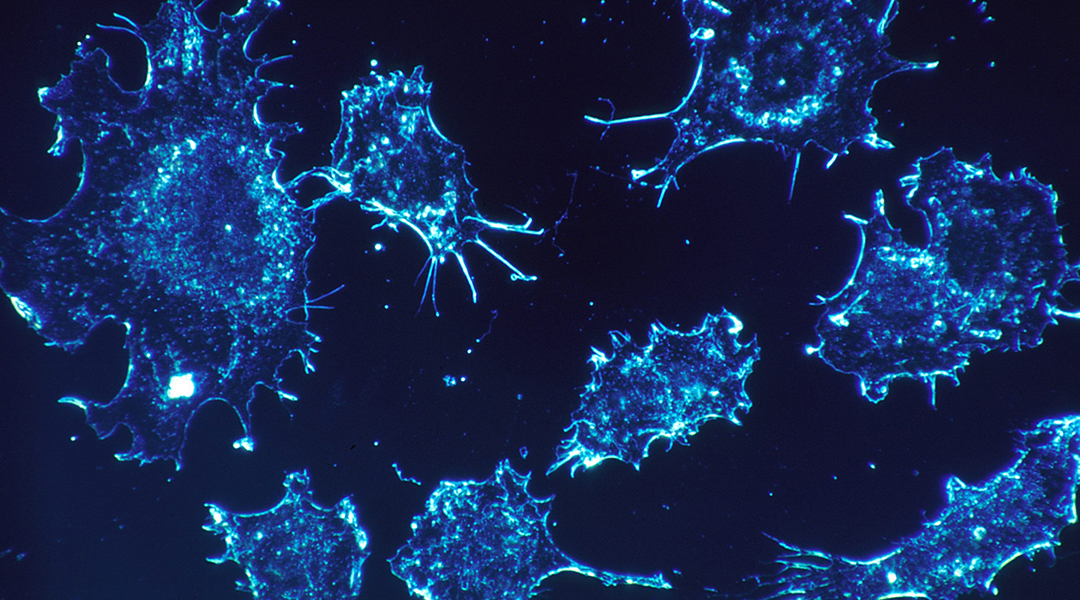
A research team highlights a new strategy in anti-cancer drug development.
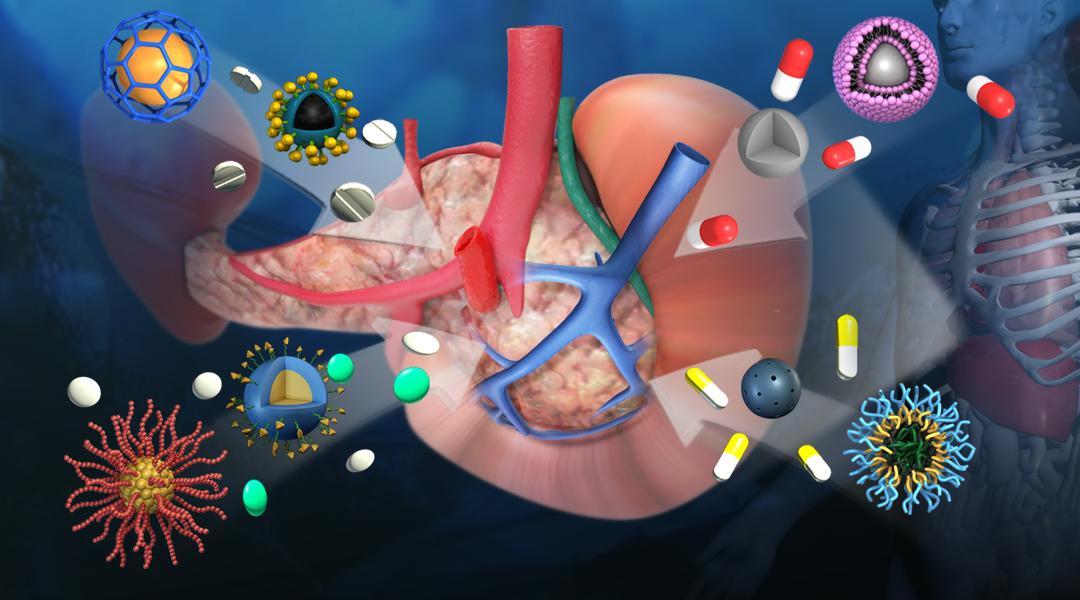
Nanotechnology is poised to revolutionize the diagnosis and treatment of patients with type 1 diabetes.

Endometriosis is a chronic, painful condition that affects millions of women worldwide. Now, a new nanoplatform offers hope for early diagnosis and effective ablation of endometriosis.
A research team combats antibiotic-resistant superbugs by administering antibiotics together with metformin.

 Micron-sized hidden dimensions could solve two of physics’ deepest puzzles
 Turning Periods into Power: Menstrual Blood a Valuable Resource for Medical Diagnostics
 Surfactants Steer Supraparticle Structure
 Bone loss in obesity traced to gut microbiota
 Edible electronics realize safe, complex monitoring devices
 Fermilab Confirms Muon g-2 Measurements