Researchers from Singapore, China and USA have recently reported in Advanced Materials the first example of a TENG-based self-powered iDDS, and demonstrate its functionality in ocular drug delivery.


Researchers from Singapore, China and USA have recently reported in Advanced Materials the first example of a TENG-based self-powered iDDS, and demonstrate its functionality in ocular drug delivery.
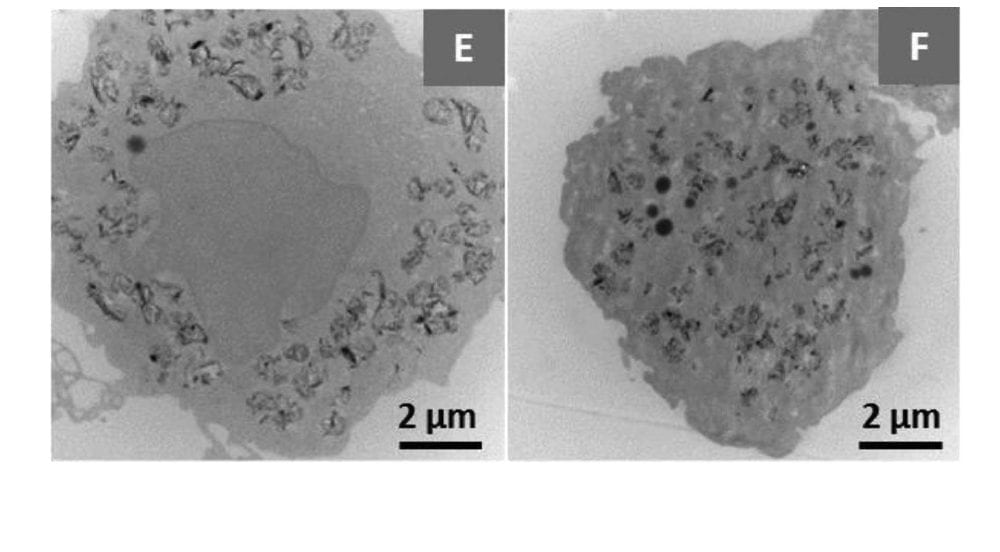
Biodegradability and biocompatibility studies show minimal cytotoxicity, particularly for covalently functionalized MoS2 nanosheets.
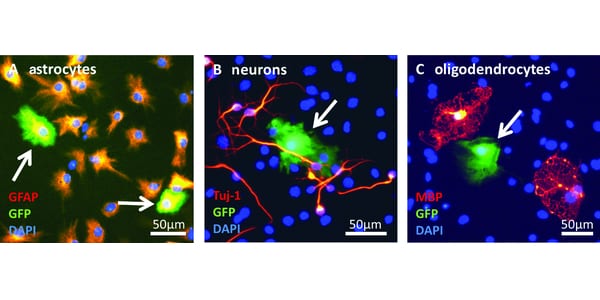
The first description on the use of oscillating magnetic fields for magnetic nanoparticle-mediated (MNP) gene transfer to neural stem cells NSCs.
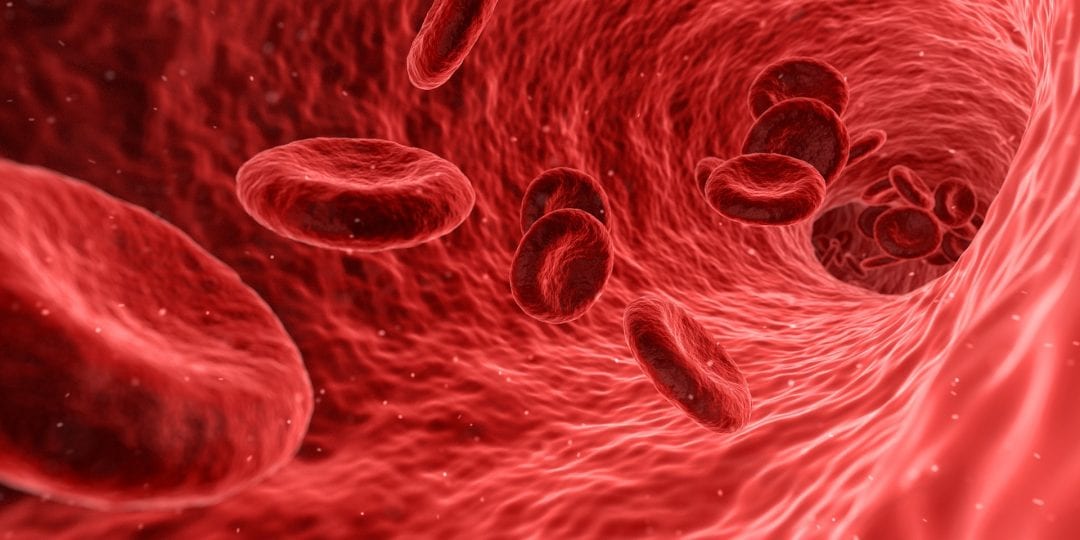
Red blood cell (RBC)-based delivery systems are emerging as natural biocarriers in a wide range of clinical applications, including blood detoxification.

CRISPR is a newly developed, but rapidly advancing, genome editing technique that has advanced the nuclear imaging field by providing a means to fluorescently label a dead Cas9 protein fused with green fluorescent protein (dCas9-GFP), allowing scientists to microscopically track where certain proteins bind to the DNA.

The anti-cancer properties of cinnamon extract have been recently published in Molecular Carcinogenesis.
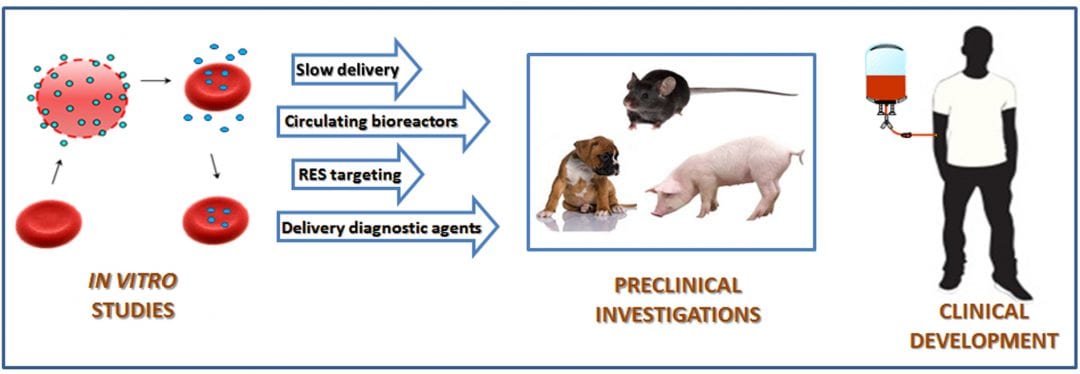
Red blood cells can be opened and resealed without affecting their functional characteristics, allowing scientists new opportunities in therapeutics and diagnostics.
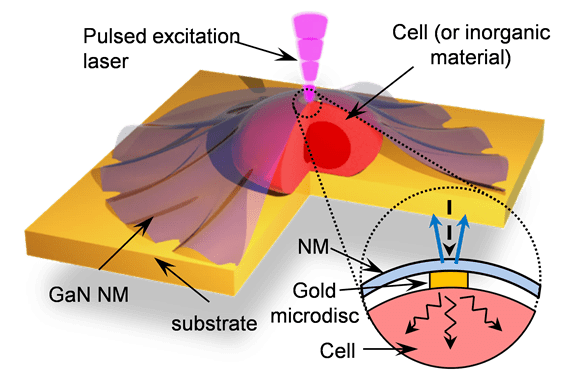
A novel thermal-transport technique based on the transient response of laser-heated GaN nanomembranes in contact with living cells is used to differentiate between different types of cancer.
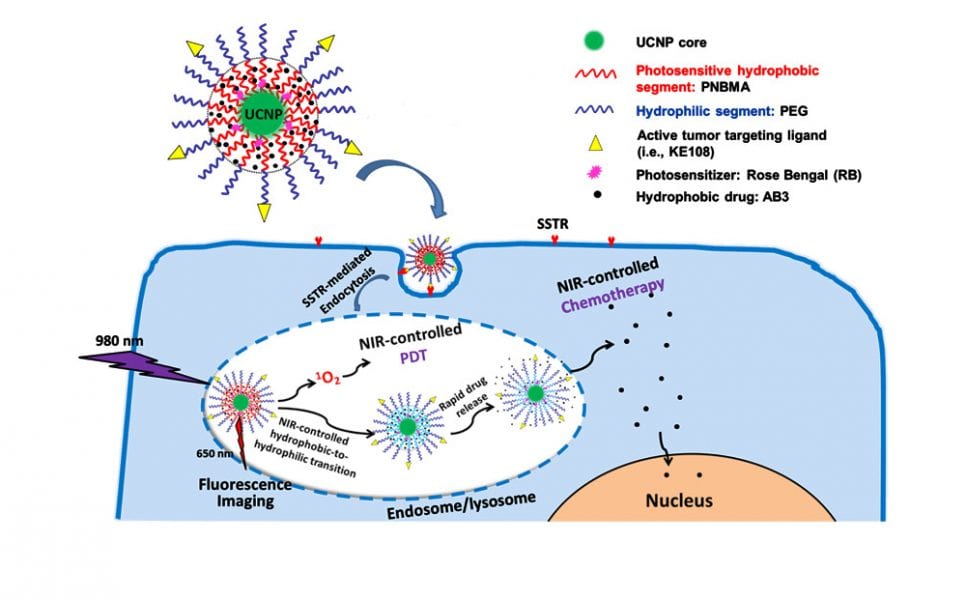
Upconversion nanoparticle-based micelles for neuroendocrine tumor theranostics.

Research highlights from this month’s Advanced Healthcare Materials issues.
 New theory suggests gravity is not a fundamental force
 Higgs boson may be driving the Universe’s expansion
 Water-powered gadgets may be on the horizon thanks to new evaporation-based energy device
 Scientists discover a new class of antibiotics
 Micron-sized hidden dimensions could solve two of physics’ deepest puzzles
 A new type of dark matter could explain mysterious radiation from the Milky Way’s core