A biocompatible polyacrylate network for the build-up of artificial tissues is created by a 3D printing process.
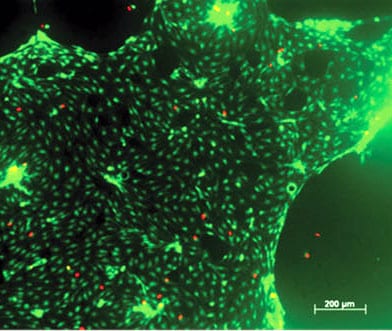

A biocompatible polyacrylate network for the build-up of artificial tissues is created by a 3D printing process.

A hemostatic material for field dressings in emergency wound treatment is made by layer-by-layer deposition of thrombin and tannic acid.
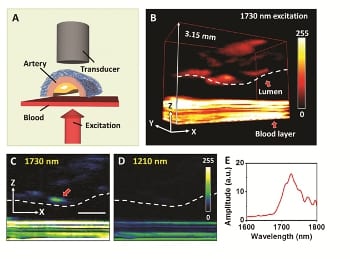
Label-free imaging of atherosclerotic plaques is achieved by an optical window between 1600-1850 nm for bond-selective deep tissue imaging.
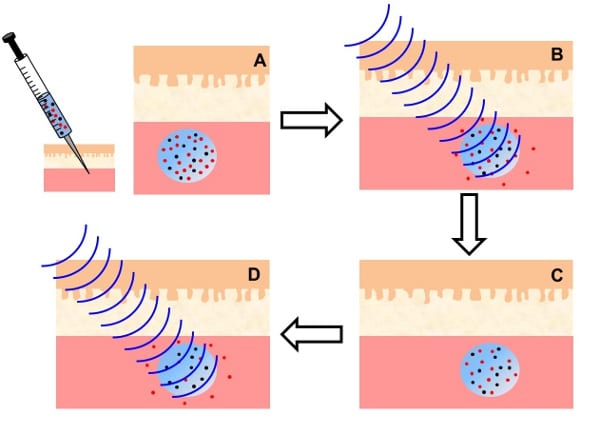
Iron oxide nanoparticles can be used to provide a local source of heating in a thermoresponsive sol–gel copolymer solution.
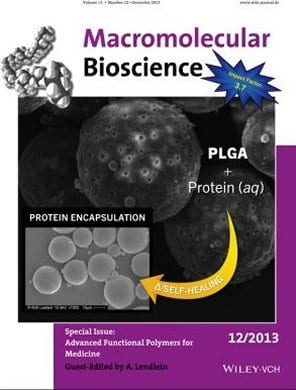
The complex requirements of modern medicine demand a variety of multifunctional materials. Polymers provide a versatile toolbox for such materials. Hydrolytically degradable polymers show temporal changes of mechanical properties during degradation and controlled drug...
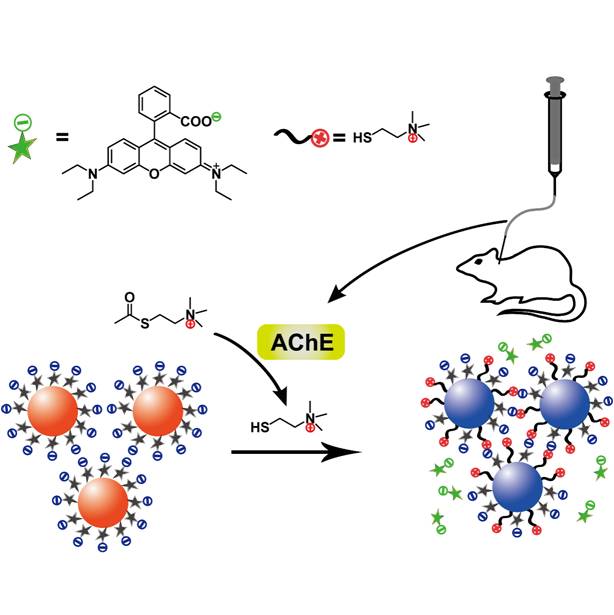
A novel AuNP-based assay highly sensitive to acetylcholinesterase (AChE) may detect a risk or a preclinical stage of Alzheimer’s disease.
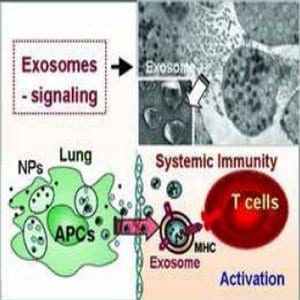
Workers with existing allergic conditions have worse reactions when exposed to nanoparticles, caused by a Trojan horse known as an exosome.
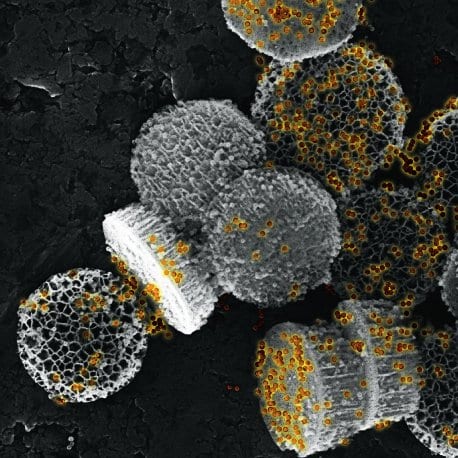
A nanostructure of silicon and gold is 4 times as effective at killing cancer cells in cell culture experiments as gold nanoshells alone.
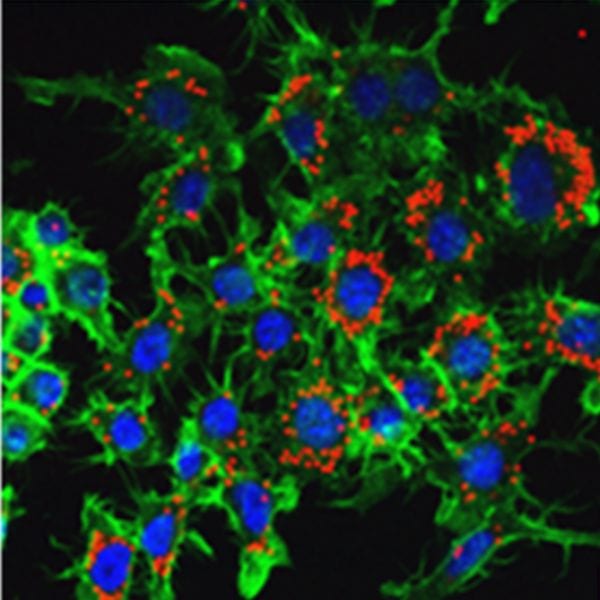
Confocal microscopy and flow cytometry results suggest that nanoparticle uptake defies the expected size limits.
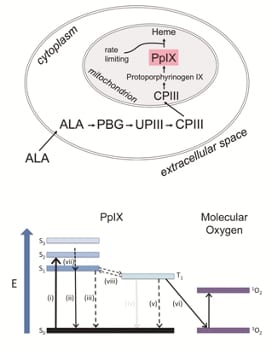
For measuring mitochondrial oxygen pressure clinically, just apply a cream on the skin.
 French WEST reactor breaks record in nuclear fusion
 New theory suggests gravity is not a fundamental force
 Quantum entanglement visualized for the first time ever
 An anti-inflammatory peptide may hold the key to low-back pain relief
 “Cosmic vine” discovered by the James Webb Space Telescope
 The Road to Better Presentation of Data: The Do’s and Don’ts
 Could a nuclear explosion set Earth’s atmosphere on fire?
 The dramatic story behind general relativity’s Nobel Prize snub
 Calculating the true environmental costs of AI
 Ibuprofen’s effect on red blood cells: A prickly affair